
Reviewed · ETHIOPIAN COFFEE CEREMONY EXPERIENCES
Ethiopian Culinary Tour – Market, Food, Coffee Ceremony & more
Addis Ababa’s food culture begins long before lunch. On this tour, you walk through produce and spice markets, try your hand at injera, and see coffee prepared in a full Ethiopian ceremony. It is a hands-on way to understand the city through what people buy, cook, serve, and share.
I like the mix of market life and food-making, since you are not simply shown finished dishes. I also like the stop at Taitu Hotel, followed by coffee and honey wine in Sululta. The main drawback is the pace: markets, lunch, sightseeing, coffee, and a mountain outing make for a full, busy day, and some driving time is unavoidable.
Key points to know before booking
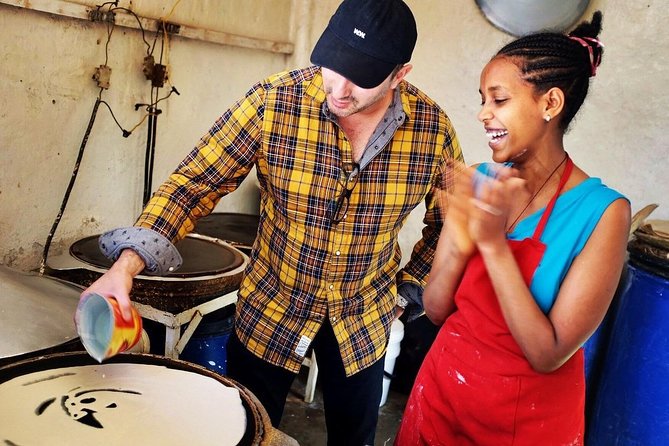
- Injera is hands-on: You meet women who show you how Ethiopia’s familiar sour flatbread is made, then eat what you help prepare.
- Merkato is the big draw: The spice section is colorful, crowded, and much easier to handle with a guide than alone.
- Coffee gets two different treatments: You visit historic Tomoca Coffee, then watch a traditional bean-washing, roasting, and serving ceremony in Sululta.
- Taitu Hotel adds a historic meal: Lunch is served as an assortment of Ethiopian dishes at the country’s oldest hotel.
- The guide can shape the day: Guides including Zerefa, Samuel, Seya, Emmanuel, Abiy, and Desale have been praised for clear English, local insight, and flexibility.
- The price covers the essentials: At $85 per person, you get transport, guide services, lunch, hot drinks, water, and the main food experiences.
Why this Addis Ababa food tour works
This is less a restaurant crawl than a day spent following food from market stall to table. You begin with vegetables and spices, learn about injera, eat Ethiopian dishes in an old hotel, and finish with coffee and tej, the country’s honey wine.
That order makes sense. You see the ingredients before you taste the food, then watch coffee being prepared in two very different settings. I find that more useful than simply sitting down at a restaurant and being handed a plate with no explanation.
The tour runs about five to six hours, although the description calls it a full-day outing. That difference likely comes down to traffic, pickup arrangements, and how much time you spend at the markets. Addis Ababa traffic can stretch a schedule, so keep the rest of your day open.
The group limit is 30 people. That is manageable for transport and general sightseeing, but the market portions will feel more personal in a smaller group. Private-feeling service is not guaranteed, though the guides have shown a willingness to adjust the day for individual interests.
More coffee in Addis Ababa:
Starting among Addis Ababa’s produce stalls
Pickup is offered from a hotel, house, or airport within Addis Ababa. The listed meeting point is Edna Mall on Cameroon Street, so confirm the pickup details when you book rather than assuming the driver will find you automatically.
The first market stop is Atkilt Tera, described as Ethiopia’s largest fruit and vegetable open market. This is where the tour begins with everyday food rather than polished attractions. Expect displays of produce, the movement of buyers and sellers, and a close look at the ingredients that support home cooking across the city.
I like this opening because it gives the food later in the day some context. You are not just hearing that Ethiopian cooking uses fresh produce and spices. You are seeing the buying side of that system.
Bring comfortable shoes and keep your belongings secure. You will be walking in active commercial areas, and the conditions may be crowded or uneven. The tour operates in all weather, so a light rain layer or sun protection is sensible.
Entering Merkato and its spice section
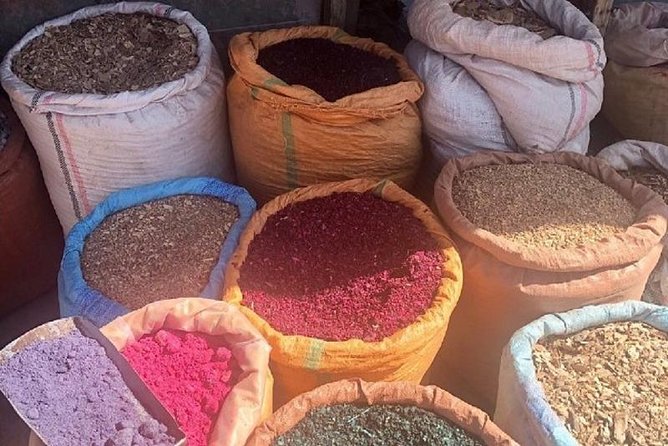
The next major market stop is Merkato, the largest open-air market in Africa according to the tour description. Its size is the point, but the spice area is where the visit becomes especially useful for anyone curious about Ethiopian food.
Spices are not just decorative details here. Their color, smell, and variety help explain why Ethiopian dishes can taste so different from one another. Your local guide can give you the practical background that is hard to get while walking alone, including help with shopping and prices.
This is also the part of the day where a guide matters most. One guide, Desale, helped a visitor find suitable souvenirs at a fair price, and other guides have been praised for keeping people safe through crowded sections. That does not remove the need for ordinary city awareness, but it makes the market less stressful.
Do not expect a tidy food hall. Merkato is a working market, not a staged cultural display. You will see daily commerce, noise, crowds, and a less polished side of Addis Ababa. For me, that is a strength, but visitors who prefer quiet, orderly sightseeing may find this section intense.
The market visit is scheduled for about an hour. If you want to buy spices or coffee, ask about prices before committing. The tour includes local guidance, but purchases are not part of the $85 fee.
Learning to make injera
After the markets, you meet a group of women who demonstrate how injera is prepared. The tour description does not promise a full cooking class, and you should think of this as a practical demonstration with participation rather than a professional lesson.
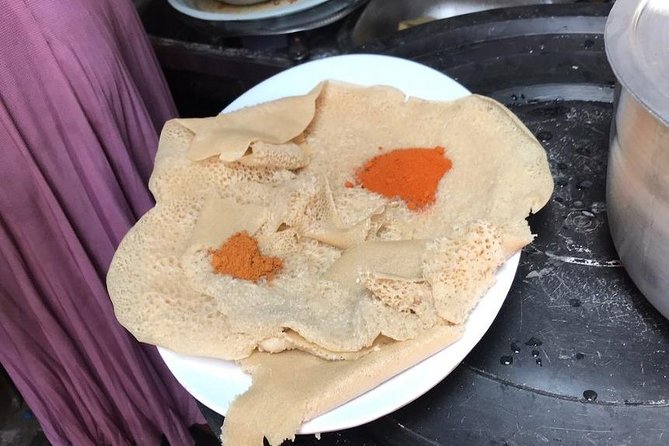
Injera is the soft, slightly sour, porous flatbread used throughout Ethiopian meals. It works as both plate and utensil, with stews and vegetables placed on top and pieces torn off by hand to scoop up the food.
The fun comes from trying to spread the batter evenly. One account describes the attempt as hilariously bad, which is exactly the right attitude. You are there to try the technique, not to compete with someone who has made the bread for years.
The best part is that you eat what you help make. That small detail turns the demonstration into a meal connection. You have seen the market ingredients, handled the bread, and then get to taste the result.
One useful limitation is worth noting: this experience focuses on injera, not on preparing the stews and sauces served with it. If you want detailed instruction in Ethiopian home cooking, this tour may leave you wanting more. You will learn more about bread, coffee, markets, and food culture than about making an entire meal from start to finish.
More eating your way around Addis Ababa:
- Hidden Treasures of Addis Ababa – Food, Culture and History Tour
★ 5.0 · 57 reviews - Addis Ababa City Tours With Cocking Class of Ethiopian Food
★ 5.0 · 20 reviews - Ethiopia coffee cupping class/Ethiopian food injera making
★ 5.0 · 10 reviews - Ethiopian Culinary Tour – Market, Coffee Ceremony and More
★ 5.0 · 10 reviews
Lunch at historic Taitu Hotel
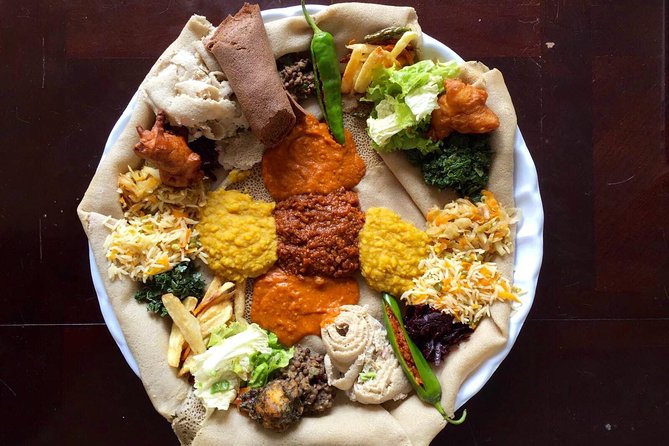
Lunch takes place at Taitu Hotel in Piassa, described as Ethiopia’s oldest hotel. The setting gives the meal a sense of place that a modern restaurant would not provide, and the food is served as an assortment of Ethiopian dishes in buffet form.
This is a good format for first-time diners. You can sample several preparations rather than choose one unfamiliar dish from a menu. Lunch includes a bottle of water and hot drinks, but alcohol is not included other than the honey wine served later.
Expect the meal to be generous enough for a proper lunch. The food has received especially strong praise, with attention also given to portion size. If you are new to eating Ethiopian food, ask your guide what each dish is and how it is normally eaten with injera.
The Taitu stop is not presented as a formal cooking lesson. It is a chance to taste the food in a historic setting after seeing some of the ingredients and learning how injera is made. That makes it one of the most satisfying transitions in the day.
Tomoca Coffee and Addis coffee culture
Tomoca Coffee adds a shorter, city-based coffee stop. It is described as the oldest Tomoca café, where you can order coffee or a macchiato made with long-established house expertise.
You get about 30 minutes here, and admission is included. You can also buy roasted or ground coffee as a souvenir, which is more useful than a rushed gift-shop stop because it connects directly to the subject of the tour.
This visit and the later ceremony serve different purposes. Tomoca shows you coffee as an everyday Addis café tradition, while Sululta presents the formal preparation and hospitality ritual. If you love coffee, having both stops gives the day a stronger shape.
If coffee is not your thing, this portion is brief enough not to dominate the experience. The stop is also practical for anyone who wants to take Ethiopian coffee home, though the cost of any purchase is extra.
The Sululta coffee ceremony

The trip to Sululta takes you out toward a mountain town beyond Addis Ababa. The scenery on the drive gives the day a change of rhythm after the markets and city streets.
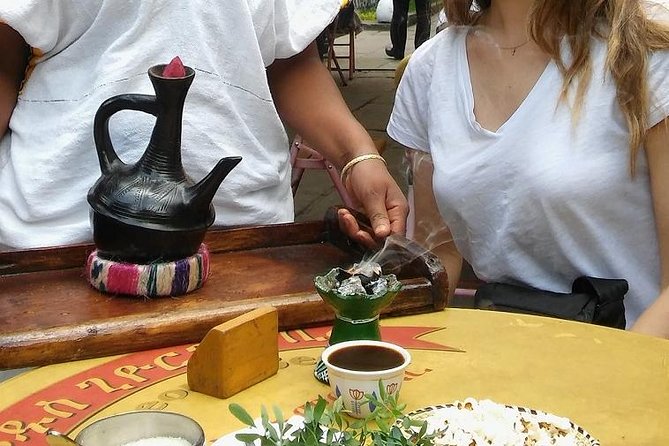
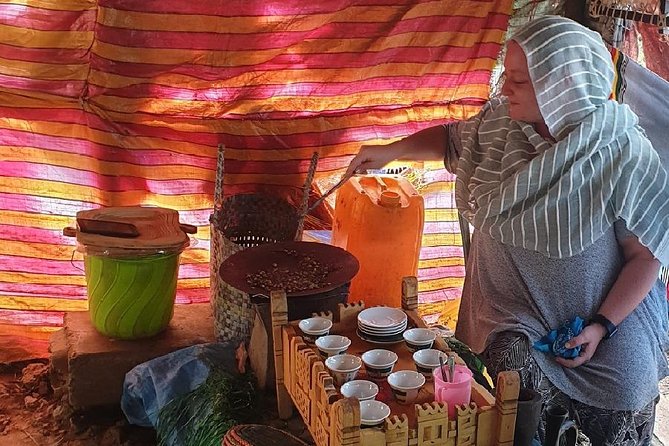
Here you watch a complete Ethiopian coffee ceremony. The process includes washing the beans, roasting them live, and serving the finished coffee. The preparation is deliberately slower than a normal café order, because the ceremony is about hospitality and shared time as much as caffeine.
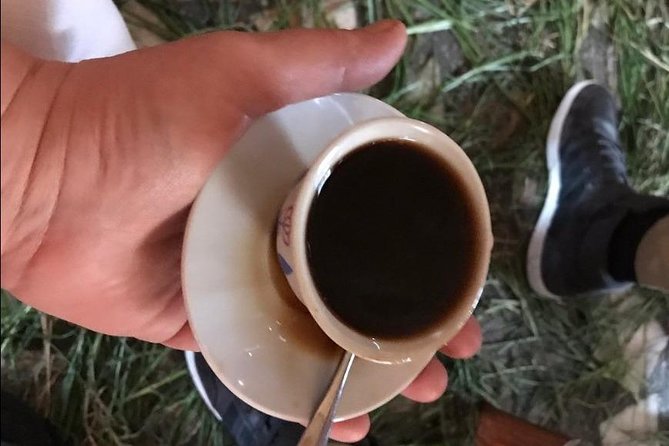
You are given coffee to taste after the preparation. This is the part of the tour most likely to appeal to anyone who wants a cultural experience rather than just a food sample. You see the work from raw beans to cup, and the setting outside the city helps separate it from the Tomoca visit.
The Sululta stop lasts about two hours, making it the longest scheduled activity. That gives the ceremony room to unfold, but it also means the day depends on road conditions and traffic. If you are trying to fit this tour between a morning flight and an evening departure, the timing deserves careful thought.
Honey wine, or tej, after the coffee
The Sululta visit also includes a tasting of honey wine, known as tej. You learn about how it is made and taste a glass. This is included, unlike other alcoholic drinks, which are listed as extra.
The flavor may be unfamiliar, so approach it as a local specialty rather than expecting a standard wine experience. Some accounts also refer to locally made beer and vodka encountered during the day, but those drinks are not included in the official package.
If you do not drink alcohol, ask your guide what alternatives are available before booking. The included beverage is specifically honey wine, and no separate nonalcoholic replacement is promised in the tour details.
The coffee and tej pairing gives the final stop a social feel. You are not just sampling products. You are being shown two drinks that carry an important place in Ethiopian daily life and hospitality.
The guides make the difference
The experience depends heavily on the person leading it. Names associated with particularly strong guiding include Zerefa, Samuel, Seya, Emmanuel, Abiy, and Desale. Guide assignments can change, and you should not assume a particular person will be available unless the provider confirms it.
Zerefa has been praised for excellent English, strong knowledge of Addis Ababa, and the ability to alter the day when parts of the program had already been seen. Abiy also adjusted a route and added an art gallery for someone who had already visited some of the planned stops.
Seya has been noted for detailed explanations of Ethiopian history and culture. Samuel has been appreciated for explaining what was happening at each location, while Emmanuel was praised for punctuality and choosing good stops around Addis Ababa.
That flexibility is important. The tour contains several fixed themes, but the exact order or emphasis may shift. If you have already visited Tomoca, Merkato, or a similar coffee ceremony, tell the guide early. You may be able to spend more time on another part of the city, though substitutions are not guaranteed.
Is $85 a fair price?
At $85 per person, the cost is reasonable if you value convenience and local guidance. It includes pickup and drop-off within Addis Ababa, a vehicle with driver and fuel, an English-speaking guide, local guides, lunch, water, hot drinks, the Tomoca visit, the injera experience, and the coffee and honey wine activities.
You are paying for several separate experiences plus the transport needed to connect them. Doing all of this independently would require arranging taxis, finding the market areas, locating someone to explain injera, choosing a suitable lunch spot, and organizing the Sululta visit.
The value is strongest for a first visit or a short stay. If you have only one free day in Addis Ababa, this tour covers food, markets, coffee, city history, and a trip beyond the center without asking you to solve the logistics yourself.
The value is weaker if you dislike group outings or already know Addis Ababa well. With a maximum of 30 people, the experience may feel less intimate than a private food walk. Group discounts are available, but the amount is not specified, so ask before booking.
Who should book this experience?
I would choose this tour if you want a quick but substantial introduction to Ethiopian food culture. It suits curious first-time visitors, people with a spare day after a conference, and anyone who would rather see daily markets than spend the whole day inside museums or churches.
It also works well for coffee drinkers, since you get both a café visit and a full ceremony. The injera activity makes it a better choice for people who want to participate rather than simply watch.
Families can take part if children are at least eight years old. Most people can participate, but you should be comfortable walking through crowded markets, spending several hours on the move, and adapting to weather and traffic.
I would hesitate if your main goal is a detailed Ethiopian cooking class. You will make injera, but you will not be taught how to prepare every stew and spice mixture served at lunch. I would also hesitate if you need a tightly timed half-day, since the description ranges from five to six hours and the route includes several city and out-of-town stops.
Booking, weather, and practical details
Confirmation is provided at booking. Pickup is available from hotels, houses, or the airport in Addis Ababa, while the listed meeting point is Edna Mall. Confirm the exact starting arrangement and pickup time before the morning of the tour.
The experience operates in all weather, though poor weather can lead to a different date or a full refund. Wear clothing suited to the conditions, and choose shoes for market walking rather than a formal lunch outfit.
Free cancellation is available up to 24 hours before the start time. Cancellations or changes made inside that window are not refunded or accepted.
Should you book the Ethiopian Culinary Tour?
Book it if you want Addis Ababa explained through food, markets, and hospitality in one well-filled day. The strongest parts are the guided walk through Merkato, the chance to make and eat injera, lunch at Taitu Hotel, and the unhurried coffee ceremony in Sululta.
The tour is not a quiet, polished tasting menu, and it is not a complete Ethiopian cooking course. It is a practical introduction to the city, with some crowds, traffic, and schedule flexibility built in.
For a first visit, I think the $85 price makes sense, especially because transport and lunch are included. Tell your guide what you have already seen, keep your schedule open, and expect to leave with a better sense of how Addis Ababa shops, cooks, drinks coffee, and welcomes people.
FAQ
How long does the Ethiopian Culinary Tour last?
The experience lasts approximately five to six hours. The description also calls it a full-day tour, so allow extra flexibility for traffic, pickup arrangements, and time spent at the markets.
What is included in the $85 price?
The price includes pickup and drop-off within Addis Ababa, ground transportation with a driver and fuel, an English-speaking guide, local guides, lunch, a bottle of water, hot drinks, the injera activity, the Tomoca Coffee visit, and the honey wine tasting.
Where does the tour start?
Pickup can be arranged from a hotel, house, or airport in Addis Ababa. The listed meeting point is Edna Mall on Cameroon Street, so confirm your exact pickup details after booking.
Is the tour suitable for children?
The minimum age is eight years old. Most people can participate, but the experience includes walking through markets and spending several hours on the move.
Are alcoholic drinks included?
Honey wine is included at the Sululta stop. Other alcoholic drinks are not included in the program.
Can I cancel for a full refund?
Yes. You can cancel at least 24 hours before the experience start time for a full refund. Changes or cancellations made less than 24 hours before the start time are not accepted or refunded. If poor weather causes the experience to be canceled, you will be offered another date or a full refund.
More market mornings in Addis Ababa
- Addis Ababa +Mount Entoto View Point,Museums Palace Market Tours
★ 5.0 · 42 reviews - Go wheretheLocalsgo, Eatwhat thelocalseat!open Market&More Tours
★ 5.0 · 33 reviews - Addis Mercato Market
★ 5.0 · 22 reviews - Addis Ababa: Entoto hill and Mercato Market layover tour
★ 5.0 · 5 reviews
More coffee houses and roasteries in Addis Ababa
- Unique Ethiopian Cooking Class and Coffee Ceremony with a Local in Addis Ababa
★ 4.5 · 7 reviews - Coffee Cupping Tour in Addis Ababa
★ 5.0 · 5 reviews - Addis Ababa City Experience : Markets, Coffee & Local Life
★ 4.8 · 5 reviews - Lalibela: Churches Full-Day Private Tour w/Coffee Ceremony
★ 4.7 · 5 reviews
Just added out of Addis Ababa
- Yod Abyssinia Cultural Night: Dinner, Music, and Dance★ 5.0 · 7 reviews
- Locally crafted beer and wine tasting and nightlife in Addis tour★ 5.0 · 6 reviews
- Stunning Views Wonchi Crater Lake a Private Day Trip★ 5.0 · 3 reviews
- Two days Lake Wenchi and Menagesha Forest★ 5.0 · 3 reviews
- Tribes of the Ethiopian Omo Valley – 9 Day Tour★ 5.0 · 5 reviews
- Addis Ababa City Tours Full-Day Tours★ 5.0 · 5 reviews
- 3-Day Cultural Tour in South Omo Valley★ 5.0 · 4 reviews
- Day Trip to Tiya UNESCO Site & Melka Kunture Archaeological Site★ 4.5 · 3 reviews
Ethiopian Coffee Ceremony Experiences, compared.
Market Tour and Cooking Class with a Coffee Ceremony at a Home in Addis Ababa
Read our review →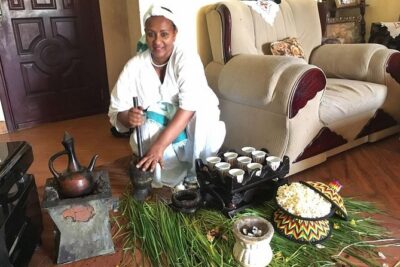
Ethiopian Cooking Class and Coffee Ceremony with a Local in Addis with transfers
Read our review →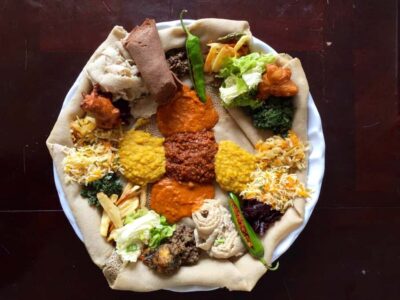
Ethiopian Culinary Tour – Market, Coffee Ceremony and More
Read our review →
Ethiopia coffee cupping class/Ethiopian food injera making
Read our review →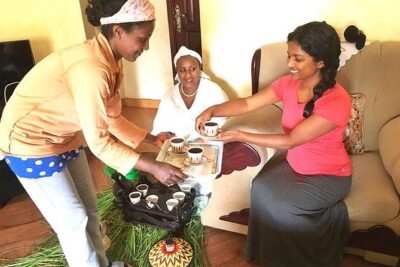
Unique Ethiopian Cooking Class and Coffee Ceremony with a Local in Addis Ababa
Read our review →
Addis Ababa City Experience : Markets, Coffee & Local Life
Read our review →
Churches Full-Day Private Tour w/Coffee Ceremony
Read our review →
Browse the lists this tour appears in