
Reviewed · ETHIOPIAN COFFEE CEREMONY EXPERIENCES
Ethiopian Culinary Tour – Market, Coffee Ceremony and More
Ethiopian food is not just something you eat on this tour. You help make it, shop for it, smell it roasting, and learn how it fits into daily life. The day links Merkato’s spice stalls, a hands-on injera lesson, and Ethiopia’s famous coffee ceremony in one busy six-hour route through Addis Ababa.
I like the way the tour mixes food with city sightseeing, rather than keeping you inside a cooking room all day. I also like the practical touches: pickup from your hotel, home, or the airport, a driver and fuel included, and lunch with enough variety to sample several Ethiopian dishes. The main thing to consider is pace. Merkato can be crowded and intense, and six hours gives you a broad taste of Addis rather than a slow, in-depth cooking course.
Key points to know
- Merkato puts Ethiopian spices and coffee into context: You see where ingredients are sold before learning how they are used.
- The injera lesson is hands-on: You get the chance to bake the spongy flatbread yourself and eat your result.
- Coffee is treated as a ceremony, not just a drink: You learn the steps and may roast your own beans.
- Tej adds a distinctly Ethiopian finish: The honey wine tasting introduces you to a traditional drink similar to mead.
- Lunch takes place at Ethiopia’s first hotel: A buffet lets you try several local dishes without ordering one plate at a time.
- The $85 price covers the day’s main costs: Transport, guide, activities, lunch, bottled water, and hot drinks are included.
A Food-Focused Route Through Addis Ababa
This is a city tour with food as its organizing theme. You are not simply driven from one restaurant to another. The stops show how ingredients move from market stall to kitchen, how coffee is prepared at home, and how traditional drinks still fit into social life.
Your English-speaking guide and driver handle the route, with pickup and drop-off anywhere in Addis Ababa. Past guides have included Desale, Seid, Muse, and Zerefa. The guide’s role matters here because the tour crosses several parts of the city, and the best moments come from explanations between stops, not just from the food itself.
You should allow six hours for the full experience. The starting time depends on availability, so check that before booking. Pickup is included, but you should wait in your hotel lobby for up to 15 minutes before or after the scheduled time. Bring a passport or ID card, and expect the tour to operate in rain or sunshine.
More coffee in Addis Ababa:
- Ethiopian Culinary Tour – Market, Food, Coffee Ceremony & more
★ 5.0 · 65 reviews - Market Tour and Cooking Class with a Coffee Ceremony at a Home in Addis Ababa
★ 5.0 · 32 reviews - Vintage Coffee Shops, Restaurants, Sightseeing in Addis Ababa
★ 5.0 · 17 reviews
Starting with Tomoca’s Ethiopian Arabica Coffee
The day begins at a Tomoca Coffee shop, where Ethiopian arabica beans are used for Italian-style coffee and macchiato. This is a useful opening because Addis Ababa’s coffee culture has two sides: quick café coffee influenced by Italy, and the slower home-style ceremony that comes later.
At Tomoca, you get a taste of the city’s café tradition. The macchiato is a good choice if you want something familiar with a local base, while a straight coffee lets the Ethiopian beans take center stage. This stop is short, but it gives you a clear contrast for the rest of the day.
The tour later explains coffee in a more ceremonial setting. That change from café counter to traditional preparation is one of the strongest ideas in the itinerary. You see that coffee is not only an export product or a morning drink. It can also be a social ritual, prepared carefully and shared with company.
Shopping for Spices in Merkato
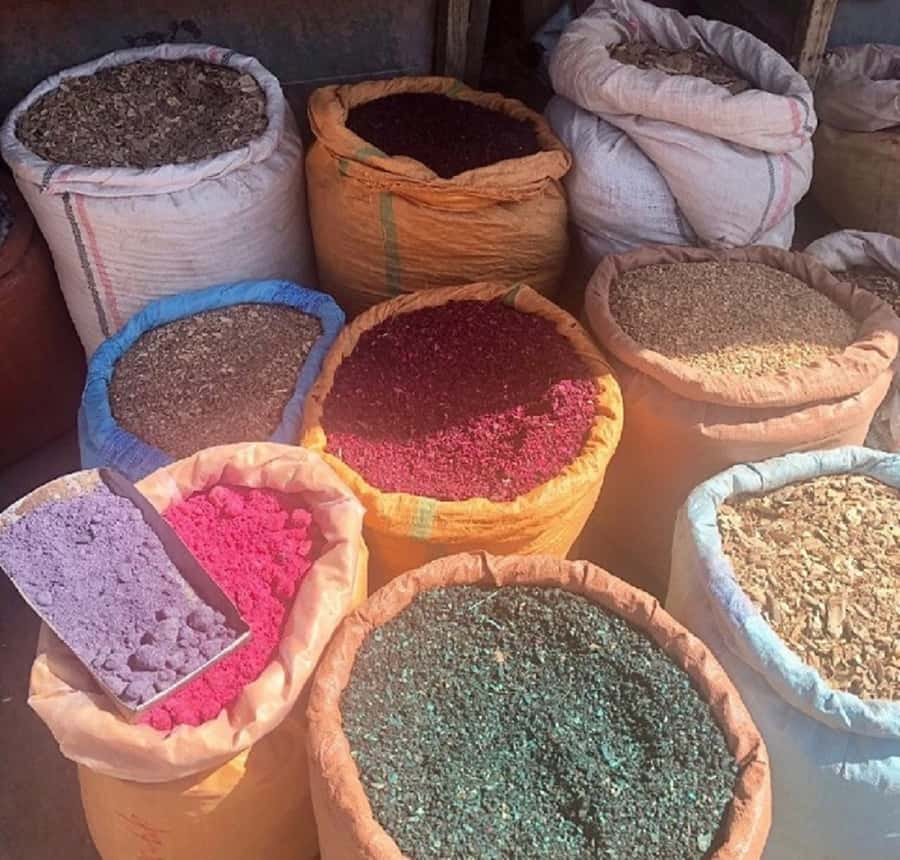
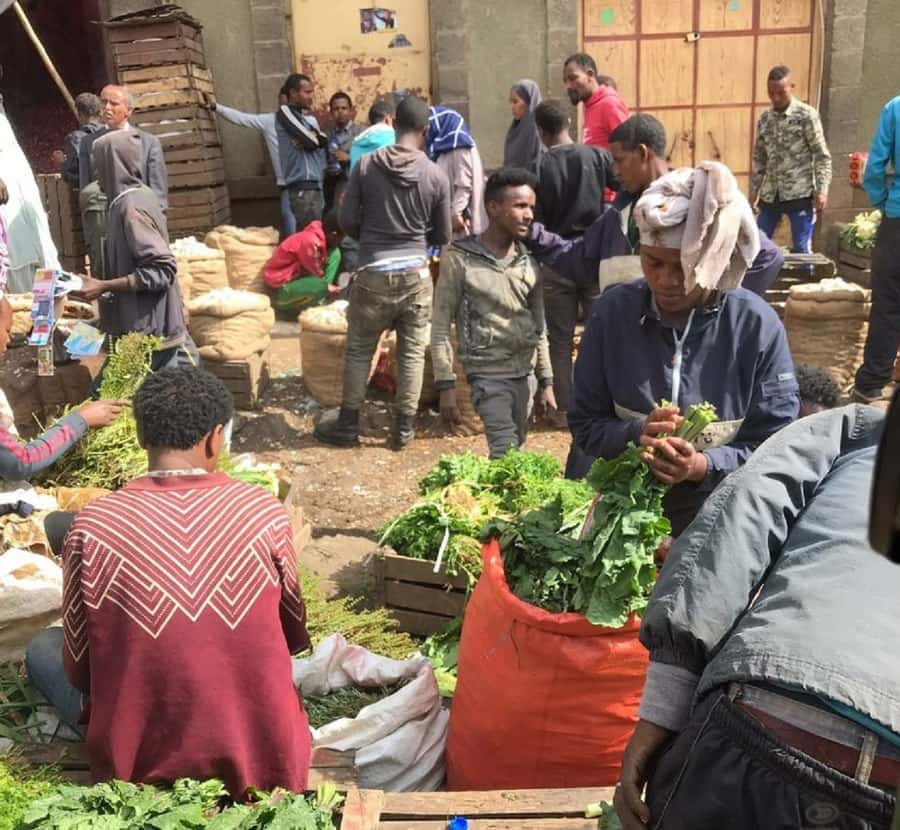
Merkato is the largest open-air market in Africa, and it is the most demanding stop on the route. This is not a polished food hall arranged for easy browsing. You enter a working market where spices, coffee, food, and non-food goods are sold, and where bargaining is part of the experience.
Your guide helps you make sense of the stalls and the movement around you. You can expect to see local spices and coffee for sale, with plenty of color, scent, and activity. The market gives the later cooking stops more meaning. When you handle or taste Ethiopian dishes at lunch, you have already seen some of the raw ingredients being traded.
Bring patience and keep your belongings secure in crowded areas. The tour information specifically presents bargaining as part of the visit, so you may have a chance to test your negotiating skills with spice sellers. If you prefer quiet browsing and carefully labeled displays, Merkato may feel hectic. If you want a direct look at everyday commerce, it is likely to be one of the day’s most memorable stops.
This is also where a good guide earns the cost of the tour. Guides such as Desale and Seid have been praised for explaining both the food and the city, including landmarks seen from the vehicle. Ask questions as you go. The market is more rewarding when you understand what you are looking at rather than simply passing through.
Making Injera Instead of Just Eating It
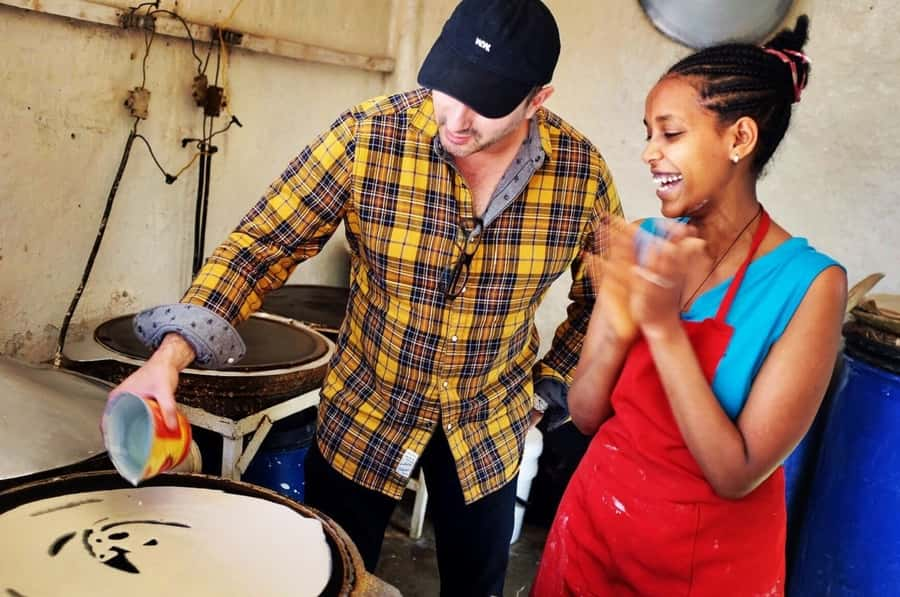
Injera is the soft, spongy Ethiopian flatbread used to hold food and sauces. It is central to the meal, so learning to bake it gives you a better sense of how Ethiopian food is built around shared eating.
The lesson is presented step by step, and you get the chance to try making your own bread. You can then taste it with a typical spice. That hands-on element makes this more than a demonstration. Your result may not look perfect, but that is part of the fun and gives you a practical memory to take away.
You should not book this expecting a full professional cooking class with a long list of recipes. The activity focuses on injera, coffee, and tasting rather than on preparing an entire Ethiopian feast from scratch. Still, injera is one of the most important parts of the cuisine, and learning one signature food is a sensible use of limited time.
This stop also helps if you are new to Ethiopian dining. Injera is usually torn by hand and used to scoop up food, so the lesson gives you some confidence before lunch. The cooking activity is especially suited to curious eaters, couples, and families who want to do something rather than only watch.
More eating your way around Addis Ababa:
- Hidden Treasures of Addis Ababa – Food, Culture and History Tour
★ 5.0 · 57 reviews - Addis Ababa City Tours With Cocking Class of Ethiopian Food
★ 5.0 · 20 reviews - Ethiopia coffee cupping class/Ethiopian food injera making
★ 5.0 · 10 reviews - Local Ethiopian Food Tour
★ 4.0 · 7 reviews
Learning the Traditional Coffee Ceremony
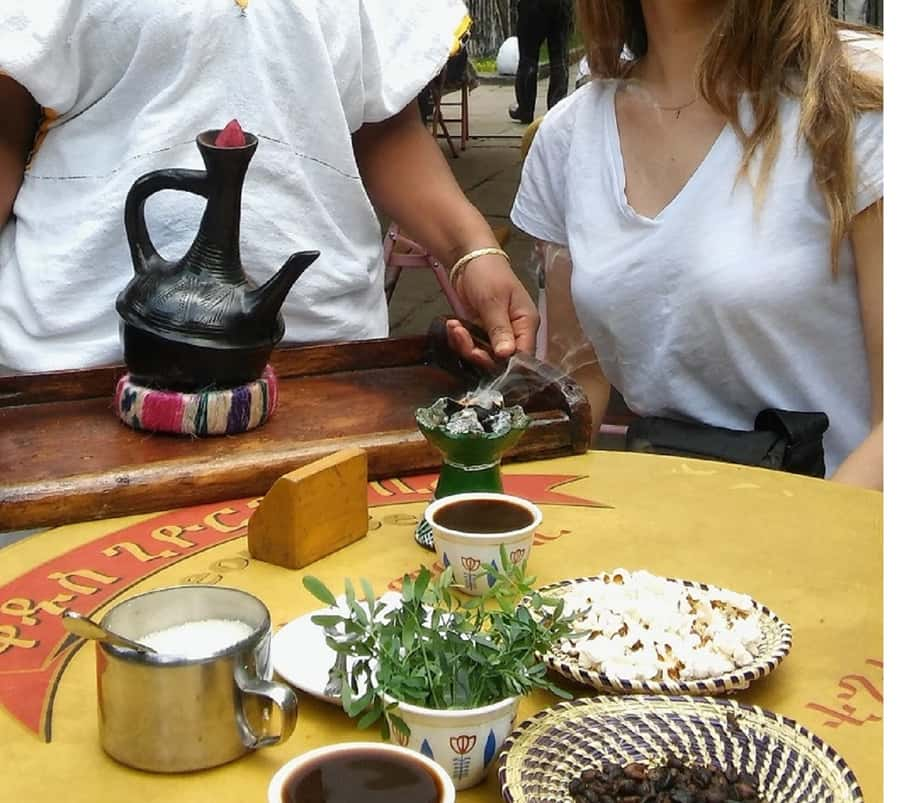
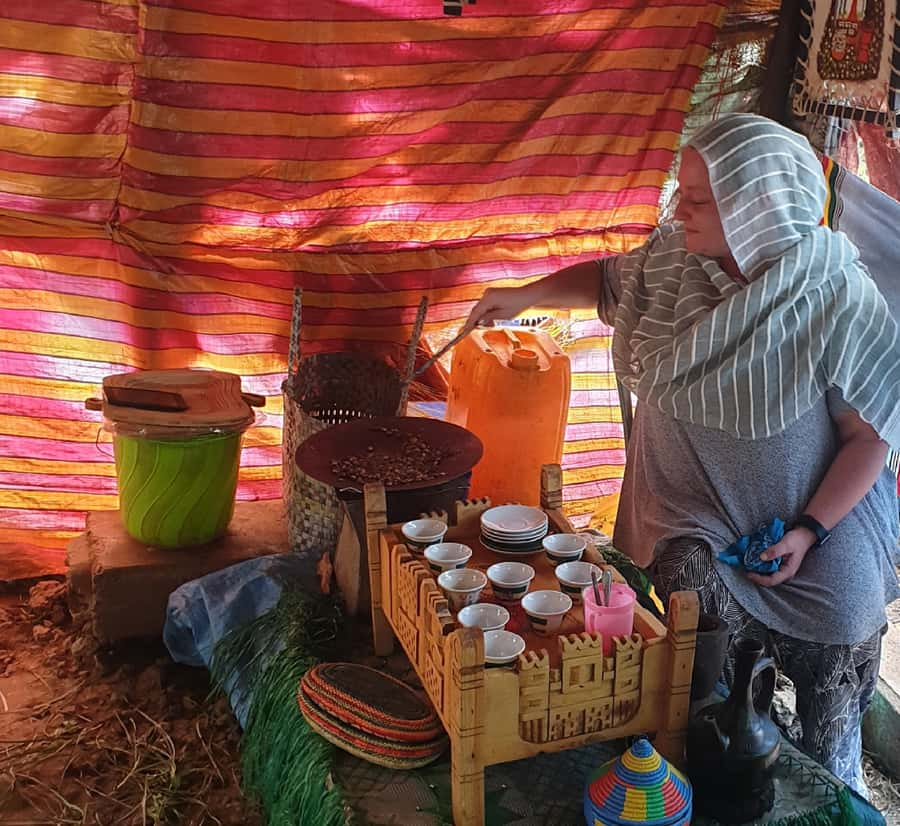
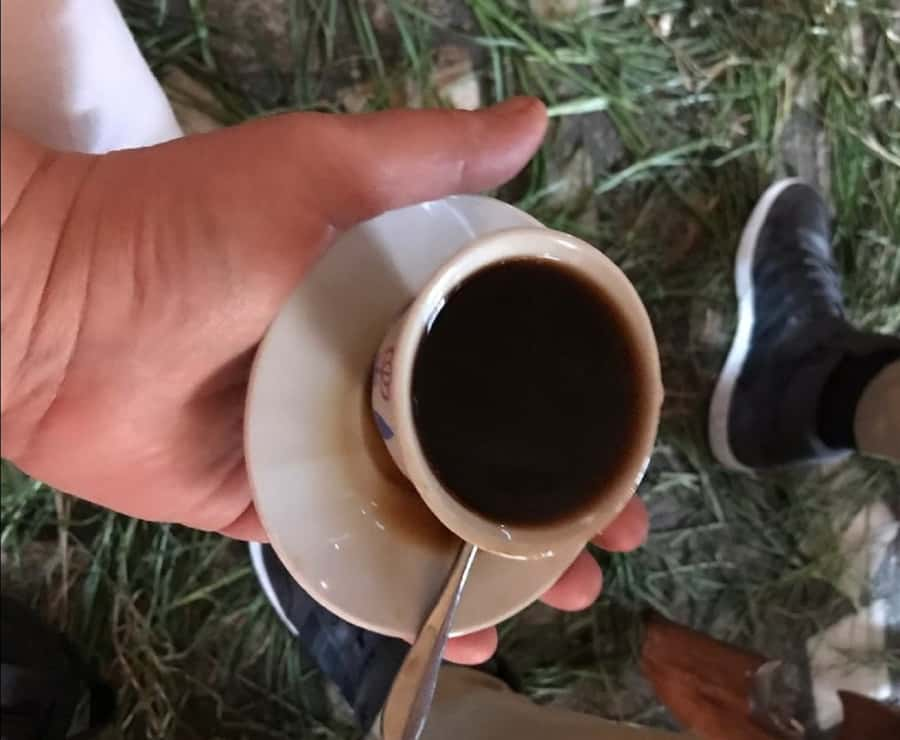
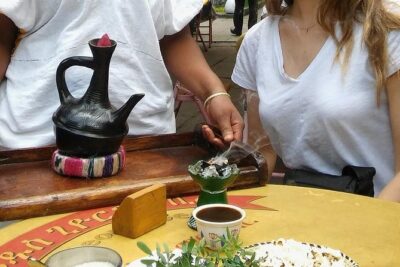
The coffee ceremony is the cultural center of the day. You learn the process step by step, including the preparation of the beans and the brewing ritual. One experience also included roasting coffee beans, which adds a useful practical element to the demonstration.
The ceremony takes longer and feels more social than the Tomoca visit. You are not rushing in for a takeaway cup. Instead, you watch coffee become part of a shared moment, with the preparation itself carrying as much importance as the final drink.
I would pay close attention here, even if you already drink Ethiopian coffee at home. The point is not just flavor. The ceremony shows how hospitality works through food and drink, and why coffee has such a strong place in Ethiopian culture.
The coffee is included, along with hot drinks at lunch. If you do not drink much caffeine, pace yourself because coffee appears at more than one stage of the day. The description does not specify how many servings are offered, so ask your guide if you need to limit your intake.
Lunch at Ethiopia’s First Hotel
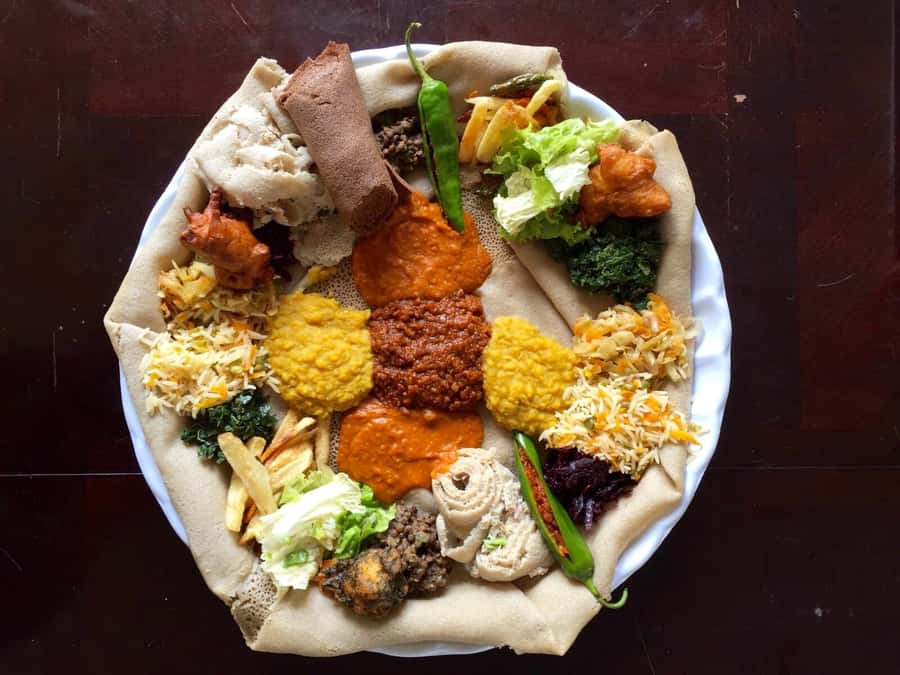
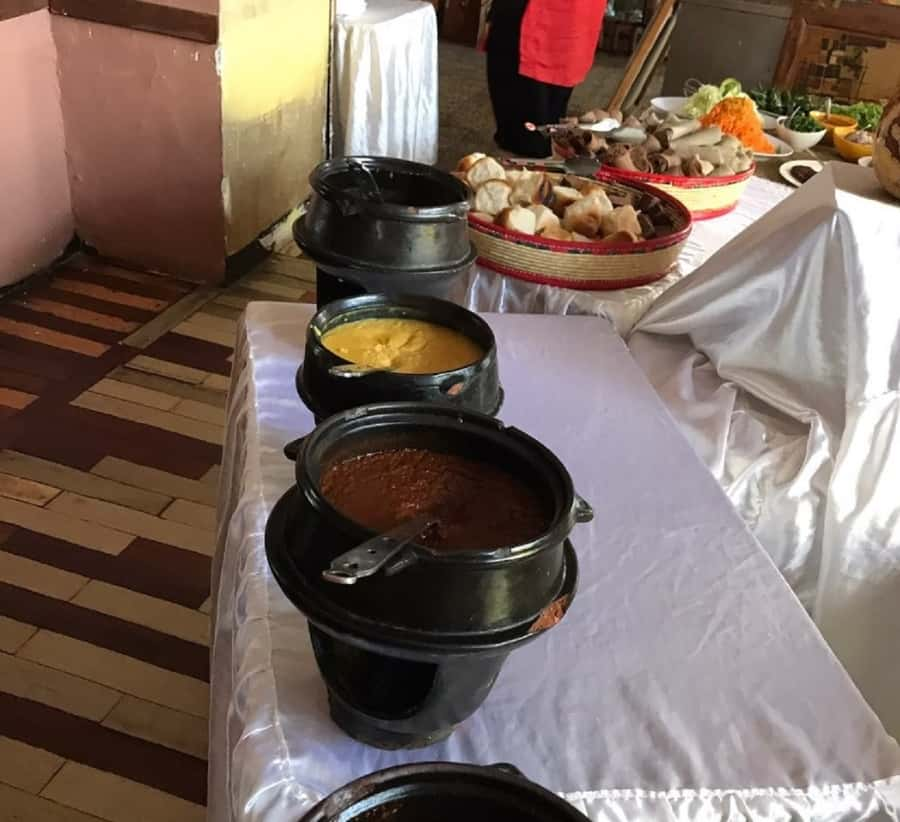
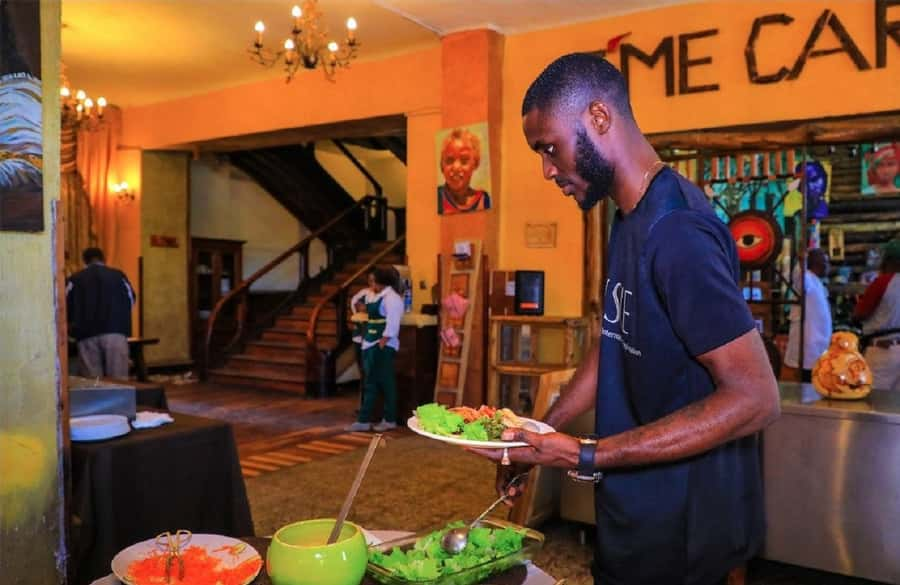
Lunch is served buffet-style at the first Ethiopian hotel, a setting that adds a little city history to the meal. Rather than choosing one unfamiliar dish from a menu, you can sample a selection of popular Ethiopian foods.
A buffet works well on a first food tour. You can try several dishes, compare flavors, and return to what you like. Vegetarian options are included, and one meal included a local vegetarian buffet with a range of dishes. A bottle of water and hot drinks are covered in the tour price.
Do not expect the lunch to be a private fine-dining event. Its value is variety and context. By this point, you have visited the spice market and worked with injera, so the buffet becomes a chance to put those ideas together on one table.
Alcoholic drinks other than the honey wine are not included. If you want beer, wine, or another alcoholic drink with lunch, plan to pay separately. The tour does not state that every dietary need can be accommodated, so it is sensible to raise any requirements when booking.
Trying Tej at a Local Honey-Wine Bar
The final food stop is a local tej bar. Tej is Ethiopian honey wine, similar to mead, and is made mainly from fermented honey. You have the chance to tour the bar and taste samples.
This is a smart finish because tej offers a flavor and drinking tradition that many people will not encounter elsewhere. It also keeps the day from becoming only a bread-and-coffee tour. The tasting is about local custom as much as alcohol.
The inclusion has limits. Alcoholic drinks beyond the honey wine are not part of the package, and the available information does not give details about the number or size of samples. If you do not drink alcohol, ask the guide what non-alcoholic alternative may be available before you book. Do not assume one is included.
What the $85 Price Really Covers
At $85 per person, this tour is not the cheapest way to visit one Addis Ababa market or drink one cup of coffee. The value comes from combining several activities that would otherwise require separate planning and transport.
The price includes:
- Pickup and drop-off anywhere in Addis Ababa, including hotels, homes, and the airport
- A car, driver, and fuel
- An English-speaking guide
- The market, baking, coffee, and tej activities
- Buffet lunch
- Bottled water and hot drinks
That is a strong package for a six-hour private-style day with transport. You are paying for access to a range of food experiences, plus the time and local help needed to connect them. The value is especially good if you are in Addis Ababa for a short stay or have a long airport stop and want a structured introduction to the city.
The price is less attractive if you want a specialist cooking course or a relaxed market visit lasting several hours. You are covering a lot of ground, so each stop has a set place in the schedule. Tips for the guide are not included, and extra alcoholic drinks are also separate.
The Guide and Driver Make the Difference
The quality of this experience depends heavily on the guide. Food is the headline, but the guide explains the city, helps you read the market, answers questions, and connects each activity to Ethiopian culture.
Desale has led the route with explanations about food, landmarks, and local history. Seid has also guided the tour, with Muse serving as a driver on one outing. Zerefa has led the day as well. These names are useful when you confirm your booking, although you should not assume a particular guide will be assigned.
The driver matters too. Addis Ababa is a large city, and the itinerary includes several different kinds of stops. Having a car, fuel, and a driver included means you do not need to organize taxis between the market, cafés, cooking stop, restaurant, and tej bar.
Who Should Book This Addis Ababa Food Tour?
I would recommend this tour to you if you want a broad first taste of Ethiopian food and culture in one day. It suits first-time visitors, food-focused visitors, couples, and anyone with limited time in Addis Ababa.
You will get the most from it if you enjoy asking questions and trying unfamiliar foods. The day includes coffee, bread, spices, a buffet, and honey wine, so it is built for curiosity rather than picky eating.
It may not suit you if you dislike crowds, bargaining, alcohol-related stops, or a tightly packed itinerary. It is also not designed as a quiet cooking retreat. Merkato can be a lot to take in, and the route gives you an overview rather than long periods at each location.
The tour operates rain or shine. Free cancellation is available up to 24 hours before the start, and you can reserve now and pay later, which helps if your Addis Ababa plans are still changing.
Should You Book It?
Book this if you want food to be your way into Addis Ababa. The combination of Merkato, injera baking, a coffee ceremony, tej, and a buffet lunch gives you more range than a standard restaurant outing, while the included transport keeps the day practical.
I would especially choose it for a first visit, a short stay, or an airport stop with enough time. I would skip it only if you want a long, technical cooking class or a slow market exploration. At $85, the package offers fair value for six hours of transport, food, guided context, and hands-on activities.
FAQ
How long does the Ethiopian Culinary Tour last?
The tour lasts six hours. Starting times vary, so you should check availability when booking.
Is pickup included?
Yes. Pickup and drop-off are included from hotels, homes, or the airport anywhere in Addis Ababa.
What food activities are included?
The tour includes a visit to Merkato’s spice market, an injera baking lesson, a traditional Ethiopian coffee ceremony, a tej bar visit, and a buffet lunch at Ethiopia’s first hotel.
Is lunch included in the price?
Yes. Lunch is included, along with a bottle of water and hot drinks. The meal is buffet-style and includes samples of popular Ethiopian dishes.
Is tej included?
Yes. The tour includes a visit to a local honey-wine bar and samples of tej. Other alcoholic drinks are not included.
Can I cancel the booking?
You can cancel up to 24 hours in advance for a full refund. The tour also offers a reserve-now, pay-later option.
More market mornings in Addis Ababa
- Addis Ababa +Mount Entoto View Point,Museums Palace Market Tours
★ 5.0 · 42 reviews - Go wheretheLocalsgo, Eatwhat thelocalseat!open Market&More Tours
★ 5.0 · 33 reviews - Addis Mercato Market
★ 5.0 · 22 reviews - Addis Ababa: Entoto hill and Mercato Market layover tour
★ 5.0 · 5 reviews
More coffee houses and roasteries in Addis Ababa
- Ethiopian Cooking Class and Coffee Ceremony with a Local in Addis with transfers
★ 5.0 · 14 reviews - Unique Ethiopian Cooking Class and Coffee Ceremony with a Local in Addis Ababa
★ 4.5 · 7 reviews - Coffee Cupping Tour in Addis Ababa
★ 5.0 · 5 reviews - Addis Ababa City Experience : Markets, Coffee & Local Life
★ 4.8 · 5 reviews
Just added out of Addis Ababa
- Yod Abyssinia Cultural Night: Dinner, Music, and Dance★ 5.0 · 7 reviews
- Locally crafted beer and wine tasting and nightlife in Addis tour★ 5.0 · 6 reviews
- Stunning Views Wonchi Crater Lake a Private Day Trip★ 5.0 · 3 reviews
- Two days Lake Wenchi and Menagesha Forest★ 5.0 · 3 reviews
- Tribes of the Ethiopian Omo Valley – 9 Day Tour★ 5.0 · 5 reviews
- Addis Ababa City Tours Full-Day Tours★ 5.0 · 5 reviews
- 3-Day Cultural Tour in South Omo Valley★ 5.0 · 4 reviews
- Day Trip to Tiya UNESCO Site & Melka Kunture Archaeological Site★ 4.5 · 3 reviews
Ethiopian Coffee Ceremony Experiences, compared.
Ethiopian Culinary Tour – Market, Food, Coffee Ceremony & more
Read our review →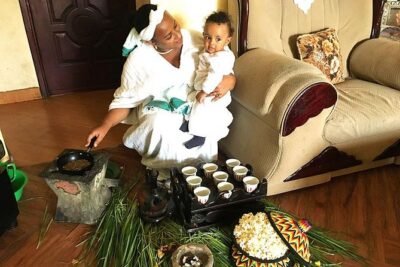
Market Tour and Cooking Class with a Coffee Ceremony at a Home in Addis Ababa
Read our review →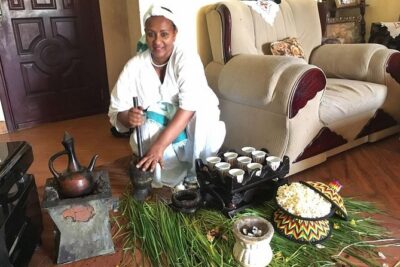
Ethiopian Cooking Class and Coffee Ceremony with a Local in Addis with transfers
Read our review →
Ethiopia coffee cupping class/Ethiopian food injera making
Read our review →
Unique Ethiopian Cooking Class and Coffee Ceremony with a Local in Addis Ababa
Read our review →
Addis Ababa City Experience : Markets, Coffee & Local Life
Read our review →
Churches Full-Day Private Tour w/Coffee Ceremony
Read our review →
Browse the lists this tour appears in