
Reviewed · ETHIOPIAN COFFEE CEREMONY EXPERIENCES
Ethiopia coffee cupping class/Ethiopian food injera making
Ethiopian coffee is not just a drink here. It is a careful ritual, a social pause, and a way to talk about place. This experience lets you taste several varieties with a local coffee expert, then make injera by hand and eat it with dishes such as shiro and misir wot. I especially like the coffee cupping session and the chance to cook on a real mitad rather than watch a staged demonstration.
I also like the private format, bottled water, included ingredients, and local guide who can explain daily life as you move around Addis Ababa. Guides including Joe, Mike, Aelaf, and Jonas have been praised for clear communication and thoughtful planning. The main consideration is timing: the listed coffee and cooking sessions are short, while driving and pickup make up much of the four-hour experience.
Key points at a glance
- Taste Ethiopian coffee by region: Learn about growing areas, roasting, brewing, aromas, and tasting notes during a guided cupping session.
- Make injera on a traditional mitad: Mix, ferment, and bake the sourdough flatbread, including the tricky flip.
- Eat what you make: Your handmade injera comes with local dishes such as shiro and misir wot.
- Travel in a private group: Pickup in Addis Ababa and an English-speaking guide allow room for questions and some schedule flexibility.
- Meet guides with local knowledge: Joe, Mike, Aelaf, and Jonas have each led this experience, with strong praise for their care, communication, and city insight.
- Plan for an adult-focused outing: The activity is not suitable for children under 15 or people with altitude sickness.
Why coffee and injera make a fine Addis Ababa pairing
This four-hour experience focuses on two daily pleasures that also carry serious cultural weight. Coffee gives you a lesson in agriculture, roasting, taste, and hospitality. Injera gives you a hands-on look at cooking, shared meals, and the practical work behind an Ethiopian table.
The pairing makes sense because the two parts balance each other. The coffee session is measured and analytical. You smell, taste, compare, and ask questions. The injera class is more physical. You work with batter, heat, and timing, then sit down to eat the result.
You should not expect a long professional cooking course. The listed cooking portion is about 30 minutes, so the emphasis is on learning the basic process and trying it yourself. That is enough to help you understand what you are eating in Ethiopia, but not enough to turn you into an injera baker in one afternoon.
The full experience lasts four hours because pickup, transport, and time with your guide are part of the day. Some itineraries have included extra stops or time in places such as Entoto National Park, Menelik Palace, a church museum, or a honey shop, but these additions depend on the day and should not be treated as guaranteed parts of the package.
More coffee in Addis Ababa:
- Ethiopian Culinary Tour – Market, Food, Coffee Ceremony & more
★ 5.0 · 65 reviews - Market Tour and Cooking Class with a Coffee Ceremony at a Home in Addis Ababa
★ 5.0 · 32 reviews - Vintage Coffee Shops, Restaurants, Sightseeing in Addis Ababa
★ 5.0 · 17 reviews
Starting with Ethiopian coffee cupping
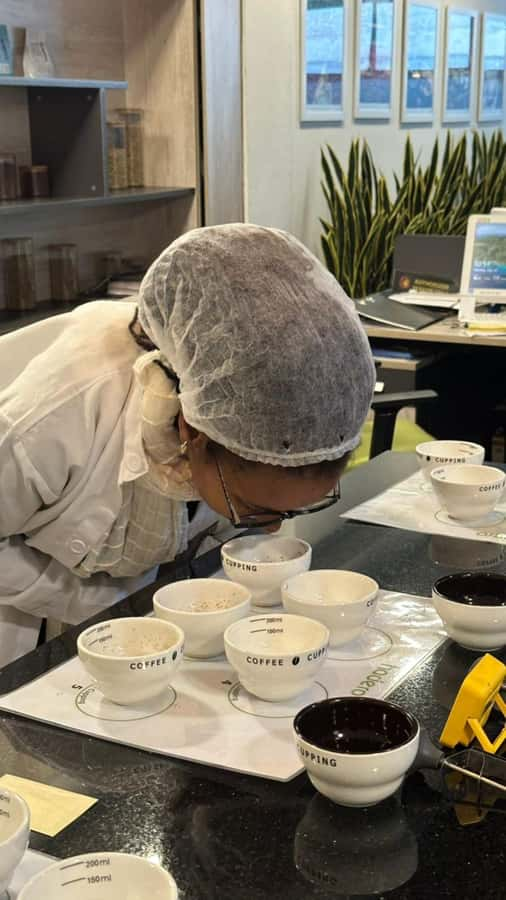
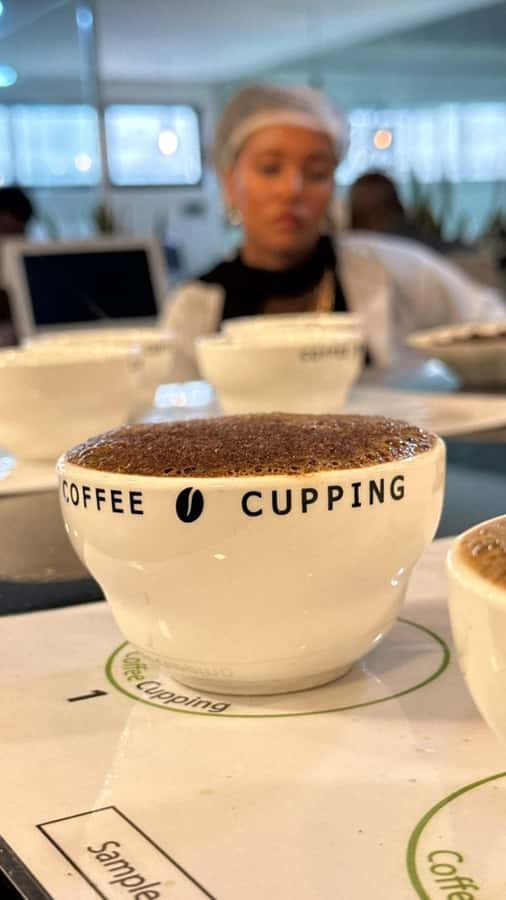
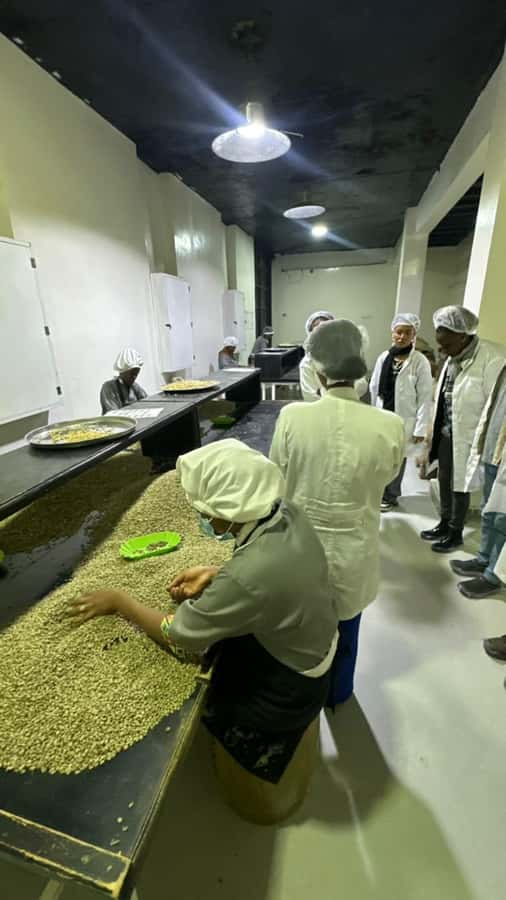
The coffee portion lasts about 45 minutes in the stated schedule. A local coffee expert introduces you to several varieties and explains how coffee differs by growing area, roast level, brewing method, aroma, and flavor.
This is more useful than simply being handed a cup. You learn what to notice, including tasting notes and the way roasting changes the final drink. If you already enjoy specialty coffee, the session gives you a local point of reference. If you normally drink coffee with milk or sugar, it offers a friendly way to taste it more carefully.
The visit can also cover the coffee chain from cultivation and processing to quality control and cupping. That wider view matters. Ethiopia is not presented only as a place where coffee happens to taste good. You get a clearer idea of how the bean moves from farm production through preparation and into the cup.
Ask questions as you go. A private group makes that easy, and the English-speaking guide can help explain terms or translate when another local expert leads the tasting. You may hear about different Ethiopian coffee-growing regions and how their flavors compare, though the exact coffees served are not specified in advance.
The coffee session is held in Addis Ababa, with one experience taking place at the Hadero Coffee building. That setting can make the lesson feel more connected to the working coffee trade than a simple hotel tasting. The exact venue and expert may vary, so confirm the meeting details when your pickup is arranged.
Making injera on the mitad
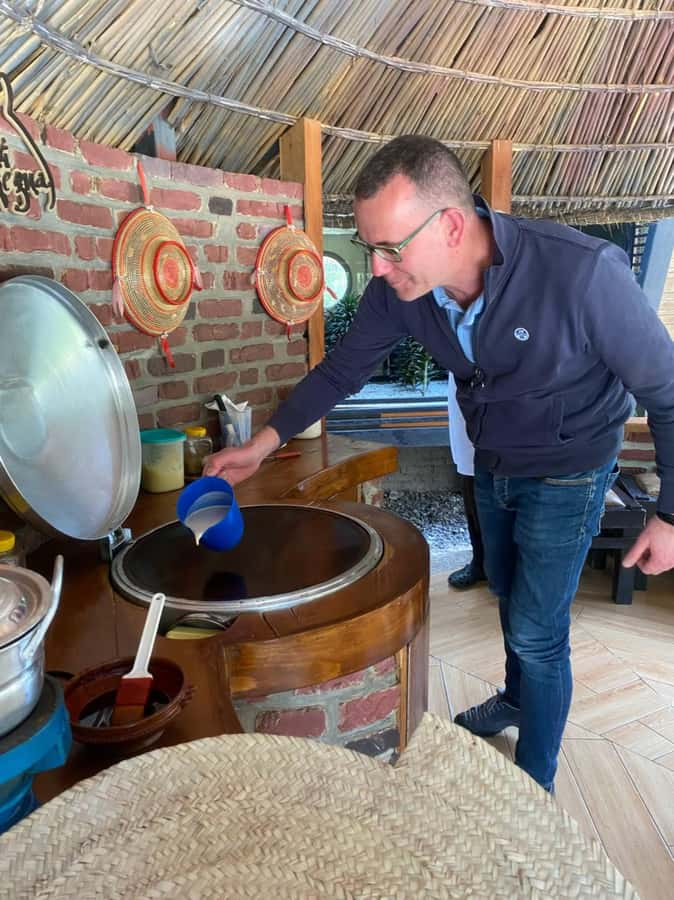
After coffee, you move to the cooking part. You will work with the batter, learn how injera is mixed and fermented, and watch it spread across the hot mitad. The mitad is the traditional cooking surface used to bake the broad, soft flatbread.
The most useful skill is the final one: flipping the injera without tearing it. This sounds simple until you are standing beside a hot cooking surface with a large, delicate round of batter in front of you. Your guide or local host helps with the process and can translate the steps as needed.
Fermentation is an important part of injera. It gives the bread its familiar sour taste and airy, slightly spongy texture. Since this is a short workshop, you will learn the process rather than complete a long fermentation cycle from start to finish. The practical lesson is still worthwhile because you see how the batter behaves and why the bread has its distinctive texture.
The kitchen setting may be indoors or outdoors, and the cooking tools and ingredients are supplied. You do not need to bring spices, utensils, or equipment. Wear clothes you can move in and expect a hands-on session rather than a polished demonstration where you only watch.
The activity is listed as an enjera-making class in some descriptions. Injera and enjera refer to the same Ethiopian flatbread. The spelling may change, but the food is the same.
Sitting down to eat shiro, misir wot, and fresh injera
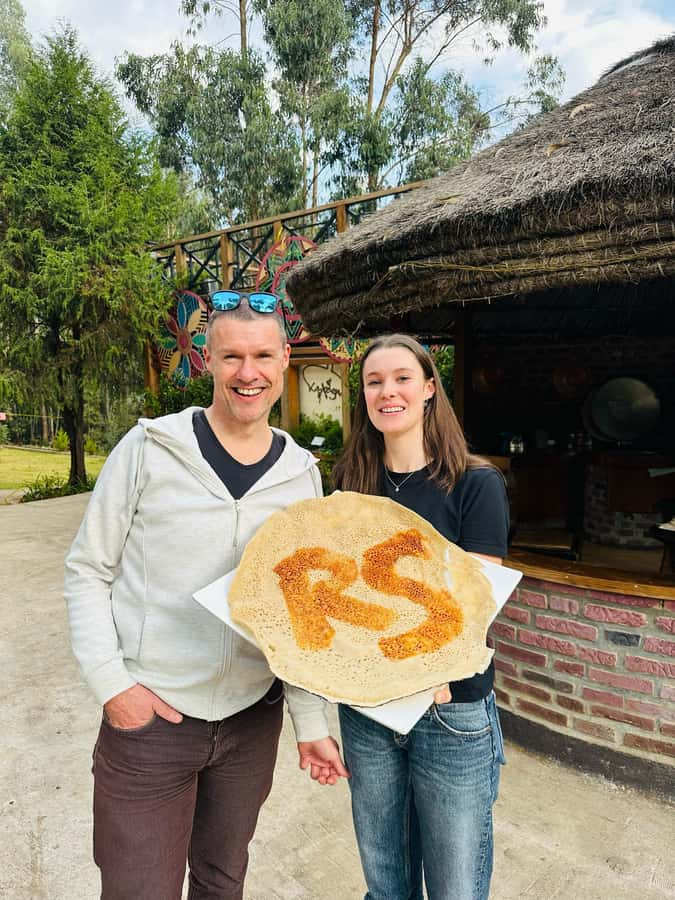
The best payoff comes after the cooking. You eat your handmade injera with a selection of Ethiopian dishes, including shiro and misir wot, plus other local sides.
Shiro is a seasoned chickpea or legume stew, while misir wot is a spiced lentil dish. The supplied information names these dishes but does not promise a fixed menu, so you should expect the selection to vary. The key point is that the meal gives you a practical lesson in how injera is used at the table.
Ethiopian meals are commonly eaten by tearing off a piece of injera and using it to scoop up the food. This makes the flatbread both plate and utensil. After making the bread yourself, you will understand its role far better than you would from simply ordering it in a restaurant.
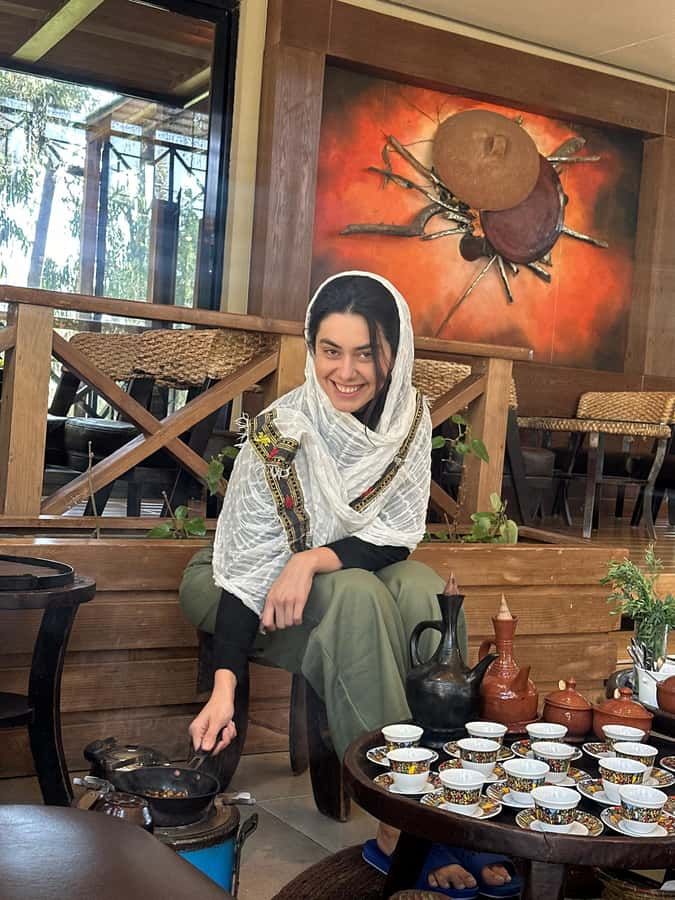
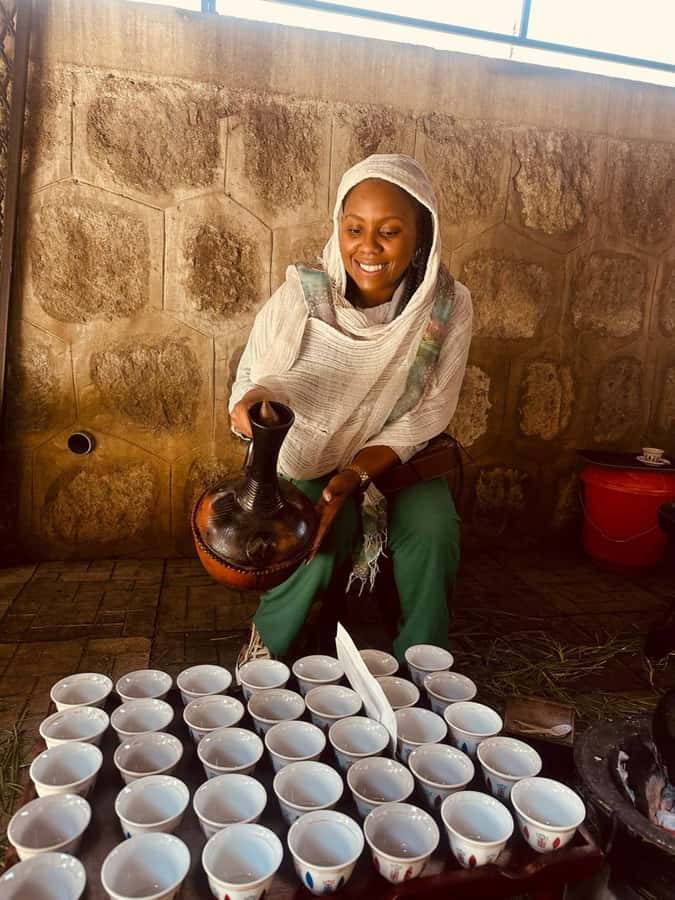
The meal is communal, and the session ends with an Ethiopian coffee ceremony. This gives the day a slower finish after the more active cooking lesson. You have time to eat, talk with local people, and ask follow-up questions about the food and coffee.
Food restrictions are not described in the supplied details, so contact the provider before booking if you have allergies or require a special diet. Do not assume substitutions are available.
More eating your way around Addis Ababa:
- Hidden Treasures of Addis Ababa – Food, Culture and History Tour
★ 5.0 · 57 reviews - Addis Ababa City Tours With Cocking Class of Ethiopian Food
★ 5.0 · 20 reviews - Ethiopian Culinary Tour – Market, Coffee Ceremony and More
★ 5.0 · 10 reviews - Local Ethiopian Food Tour
★ 4.0 · 7 reviews
What your guide adds to the day
The guide is a major part of the experience. Pickup is included in Addis Ababa, and the provider contacts you the day before to organize the details. That small step matters in a city where traffic and changing plans can affect the pace of a half-day outing.
Several guides have led this activity. Joe has taken visitors to learn about coffee and injera, including a session with a view over Addis near Entoto. Mike has been praised for storytelling, care, and adjusting plans when needed. Aelaf, also called Ale, has helped with translation during the injera lesson and explained city life, culture, and religion while driving.
Jonas has also guided the experience, with particular attention to punctual pickup, easy conversation, and local insight. These names are useful reference points, but you should not book on the assumption that one specific guide will lead your date unless the provider confirms it.
The guide is not just a driver. The transport time can become part of the cultural lesson, especially if you visit Entoto or travel through parts of Addis Ababa that you might not otherwise see. You can ask for context about daily life and the places along the route.
The private format gives you more control than a large group class. You can ask for clarification, spend longer on coffee if that is your main interest, or discuss whether there is time for an additional stop. Still, flexibility is not the same as a guaranteed custom itinerary. Confirm extra visits before counting on them.
Addis Ababa, Entoto, and the value of the drive
The central activity takes place in Addis Ababa, with some experiences continuing toward Entoto National Park or the hills above the city. One outing included a view of Addis from Entoto after the food and coffee lessons.
That setting can add a welcome change of pace. You begin with coffee and cooking, then see a different side of the city during the drive. It also explains why the four-hour duration is longer than the listed 45-minute coffee session and 30-minute cooking session.
Do keep expectations realistic. The package promises pickup in Addis Ababa, but it does not promise a full sightseeing tour of the city. The guide may help you add places such as Menelik Palace, a church museum, or a honey shop when time and plans allow, but those are not core inclusions.
If your main goal is food, the extra driving may feel like a bonus. If you want a longer cooking class, the road time means less time with batter and bread. I would choose this experience for the combination of food, coffee, conversation, and city context, not for a technical baking course alone.
Is $94 a fair price?
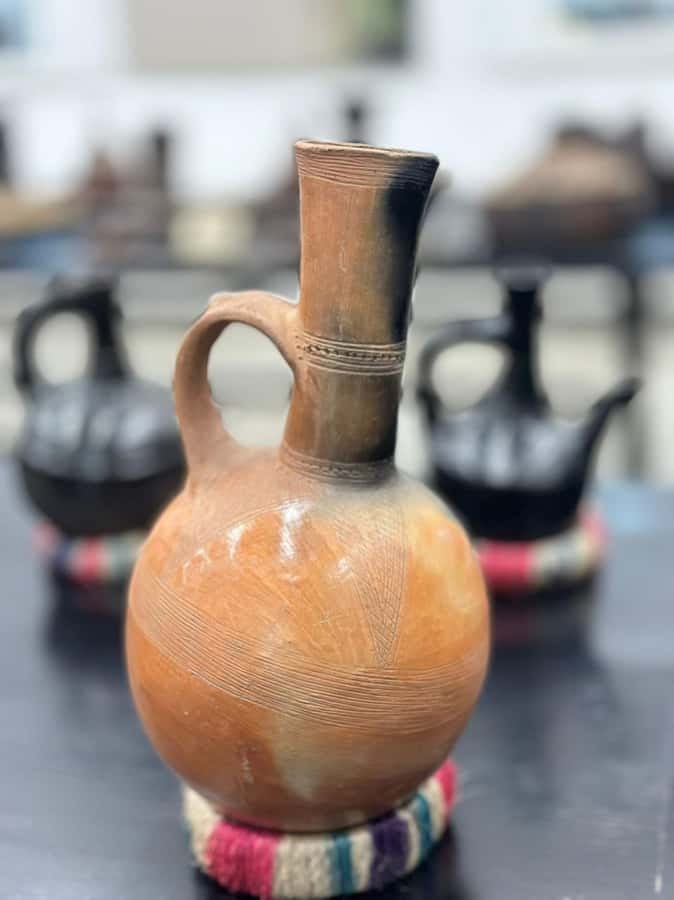
At $94 per person, the price is reasonable if you value a private, guided half-day rather than a basic restaurant meal. The fee includes pickup, an English-speaking guide, coffee tasting, cooking instruction, lunch, local dishes, the coffee ceremony, bottled water, ingredients, spices, equipment, and use of traditional tools.
You are also paying for access and explanation. Buying coffee and injera separately would not teach you how coffee is assessed or how injera is made. The guide helps connect the meal to Ethiopian daily life, and the private format gives you room to ask questions.
The value is strongest for solo visitors, couples, and small private groups who want a personal introduction to Ethiopian food. It is less compelling if you only want to eat injera or drink coffee and have no interest in the process.
Because the session is four hours, check the starting time before booking. Pickup arrangements are made the day before, and the provider offers free cancellation up to 24 hours ahead, along with a reserve-now, pay-later option. Those terms help if your Addis Ababa schedule is still moving.
Who will enjoy this most?
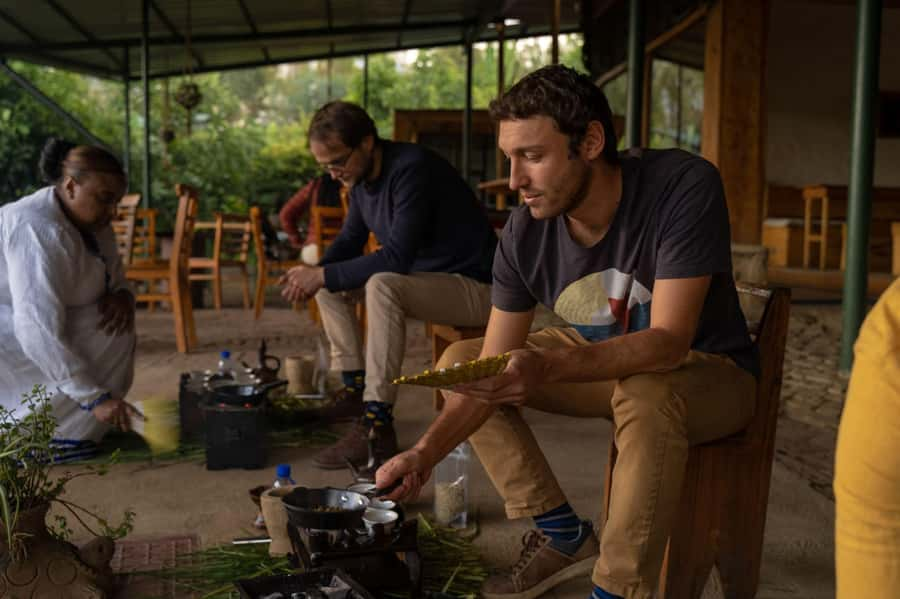
I would recommend it to coffee lovers who want more than a café stop. The cupping session gives you a way to compare coffee and understand how professionals talk about aroma, roast, and flavor.
It also suits food-focused visitors who want to handle ingredients and eat a meal they helped prepare. You will not leave with a formal cooking qualification, but you will leave with a better sense of how injera is made and how it works with Ethiopian stews.
Culture seekers should find the guide time especially useful. The strongest part of the experience may be the conversation between stops, where the guide can discuss Addis Ababa, religion, culture, and ordinary city life.
This is not designed for children under 15. It is also not suitable for people with altitude sickness. The information provided does not give a specific accessibility assessment, so ask the provider about kitchen access, standing time, and transport needs before booking.
What to know before you go
Plan on a four-hour half-day, not a quick tasting. Pickup is included in Addis Ababa, and the provider will contact you the day before to arrange it.
The activity is conducted in English. The guide can help translate during the cooking session, but the coffee expert or local host may be a different person from your main guide.
All cooking and tasting equipment is provided, along with ingredients, spices, and bottled water. Personal spending is not included, and neither are extra food, drinks, souvenirs, or activities outside the stated program.
Alcohol and drugs are not allowed. If you have food allergies, tell the provider in advance because the included meal contains several prepared dishes and the available substitutions are not specified.
The activity has a five out of five rating from 10 supplied ratings. I would treat that as a useful sign of strong satisfaction, while still paying attention to the practical limits: a short cooking lesson, variable extra stops, and a schedule shaped by transport.
Should you book the coffee and injera experience?
Book it if you want a friendly introduction to Ethiopia through two everyday traditions. The coffee cupping, traditional mitad, handmade injera, shared meal, and closing coffee ceremony give you more than a standard food tour.
I would especially choose it early in an Addis Ababa visit. The guide can help you get your bearings, explain local customs, and point out places you may want to see later. Ask about the coffee venue, pickup time, expected route, dietary needs, and whether Entoto or other stops are planned.
Skip it if you want a long, technical baking class or a guaranteed sightseeing itinerary. For everyone else, $94 buys a thoughtful half-day with real participation, useful local context, and a meal you helped create.
FAQ
Where does the experience take place?
The experience begins with pickup in Addis Ababa. The coffee session and cooking activity take place in Addis Ababa, with some outings continuing toward Entoto National Park or nearby areas.
How long does the activity last?
The full experience lasts four hours. The stated schedule includes about 45 minutes for coffee and 30 minutes for the cooking class, with the remaining time used for pickup, transport, the meal, and other parts of the outing.
What language is the tour conducted in?
The tour is conducted in English with a live English-speaking guide.
Is the experience private?
Yes. It is offered for a private group rather than a shared group.
What is included in the price?
The price includes coffee cupping, coffee varieties for tasting, injera-making instruction, a traditional Ethiopian lunch, local dishes, the coffee ceremony, bottled water, ingredients, spices, equipment, traditional cooking tools, pickup, and an English-speaking local guide.
Are children allowed to join?
The activity is not suitable for children under 15 years old.
Can I cancel the booking?
You can cancel up to 24 hours in advance for a full refund. A reserve-now, pay-later option is also available.
Is the coffee ceremony included?
Yes. The experience finishes with a traditional Ethiopian coffee ceremony after the meal and cooking session.
More coffee houses and roasteries in Addis Ababa
- Ethiopian Cooking Class and Coffee Ceremony with a Local in Addis with transfers
★ 5.0 · 14 reviews - Unique Ethiopian Cooking Class and Coffee Ceremony with a Local in Addis Ababa
★ 4.5 · 7 reviews - Coffee Cupping Tour in Addis Ababa
★ 5.0 · 5 reviews - Addis Ababa City Experience : Markets, Coffee & Local Life
★ 4.8 · 5 reviews
Just added out of Addis Ababa
- Yod Abyssinia Cultural Night: Dinner, Music, and Dance★ 5.0 · 7 reviews
- Locally crafted beer and wine tasting and nightlife in Addis tour★ 5.0 · 6 reviews
- Stunning Views Wonchi Crater Lake a Private Day Trip★ 5.0 · 3 reviews
- Two days Lake Wenchi and Menagesha Forest★ 5.0 · 3 reviews
- Tribes of the Ethiopian Omo Valley – 9 Day Tour★ 5.0 · 5 reviews
- Addis Ababa City Tours Full-Day Tours★ 5.0 · 5 reviews
- 3-Day Cultural Tour in South Omo Valley★ 5.0 · 4 reviews
- Day Trip to Tiya UNESCO Site & Melka Kunture Archaeological Site★ 4.5 · 3 reviews
Ethiopian Coffee Ceremony Experiences, compared.
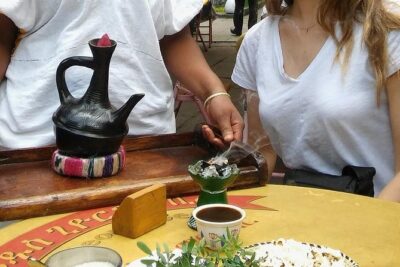
Ethiopian Culinary Tour – Market, Food, Coffee Ceremony & more
Read our review →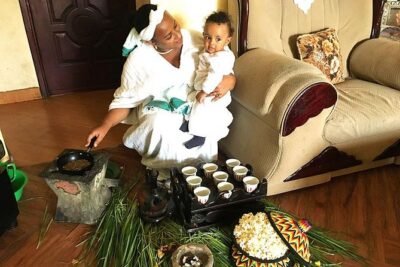
Market Tour and Cooking Class with a Coffee Ceremony at a Home in Addis Ababa
Read our review →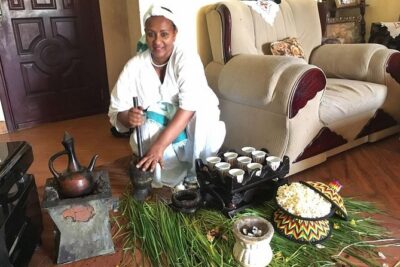
Ethiopian Cooking Class and Coffee Ceremony with a Local in Addis with transfers
Read our review →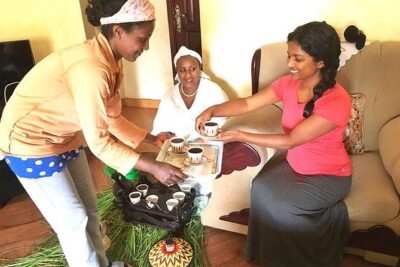
Unique Ethiopian Cooking Class and Coffee Ceremony with a Local in Addis Ababa
Read our review →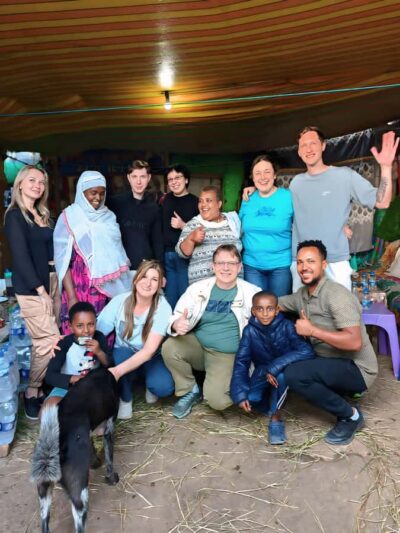
Addis Ababa City Experience : Markets, Coffee & Local Life
Read our review →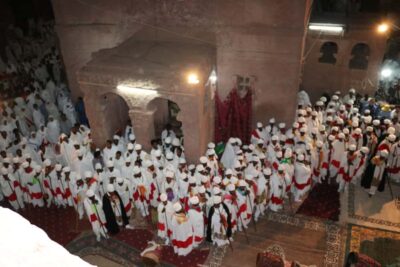
Churches Full-Day Private Tour w/Coffee Ceremony
Read our review →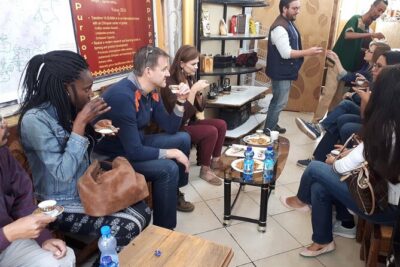
Browse the lists this tour appears in