
Reviewed · FOOD TOURS
Addis Ababa City Tours With Cocking Class of Ethiopian Food
The best part of this Addis Ababa experience is the shift from looking at Ethiopian culture to taking part in it. You visit the Ethnological Museum, walk through Merkato, buy cooking ingredients, and prepare a meal in a local home. The day ends with coffee made in the Ethiopian ceremony style, not a quick cup at a cafe.
I like the market-to-kitchen format and the private setting. You see where ingredients are bought, then learn how they become injera, shiro, and mesir wot. I also like the flexibility for airport pickups, hotel pickups, and long layovers. The main drawback is the long, traffic-sensitive schedule, listed at about 1 day and 10 hours, so you need to plan carefully around your flight.
Key details before you book
- Merkato supplies the cooking lesson: You shop for ingredients in Addis Ababa’s huge open-air market before heading to the kitchen.
- The meal is hands-on: You prepare injera, chickpea-based shiro, and spicy red-lentil mesir wot, then eat lunch with water and Ethiopian coffee.
- The museum occupies a former palace: The Ethnological Museum is in the former palace of Emperor Haile Selassie on the Addis Ababa University campus.
- Airport layovers are a strong fit: Pickup and return to Bole Airport make this useful when you have a long stop between flights.
- Guides are often praised by name: Joseph and Yoseph receive repeated praise for clear explanations, flexibility, and care with timing.
- The experience is private: Only your own group takes part, with an English-speaking guide and professional driver.
Why this Addis Ababa tour feels different
Many city tours move from one landmark to another and leave you with a pile of photographs. This one adds a practical lesson in how people eat, shop, and welcome visitors. You still get an introduction to Addis Ababa, but the food portion gives the day a personal center.
At $90 per person, the price is not simply paying for a museum visit and a car ride. It includes entrance fees, market ingredients, private transport, an English-speaking guide, lunch, bottled water, and Ethiopian coffee. For one person on a long layover, that package can be good value because it removes the need to arrange airport transport and find a separate meal.
The private format matters. You are not tied to the pace of a large bus group, and the guide can spend more time explaining a museum display, answering questions, or adjusting the day to suit your flight. That flexibility has been especially useful for people with only a few hours in Addis Ababa.
Still, $90 is more than you would spend exploring the city independently. You are paying for convenience, a driver, a personal guide, and access to a home cooking experience. If your priority is the lowest possible cost, this is not the right choice. If your priority is using one day well and meeting local people through food, the calculation looks better.
More eating your way around Addis Ababa:
- Ethiopian Culinary Tour – Market, Food, Coffee Ceremony & more
★ 5.0 · 65 reviews - Hidden Treasures of Addis Ababa – Food, Culture and History Tour
★ 5.0 · 57 reviews - Ethiopian Culinary Tour – Market, Coffee Ceremony and More
★ 5.0 · 10 reviews
Starting at Bole Airport or your hotel
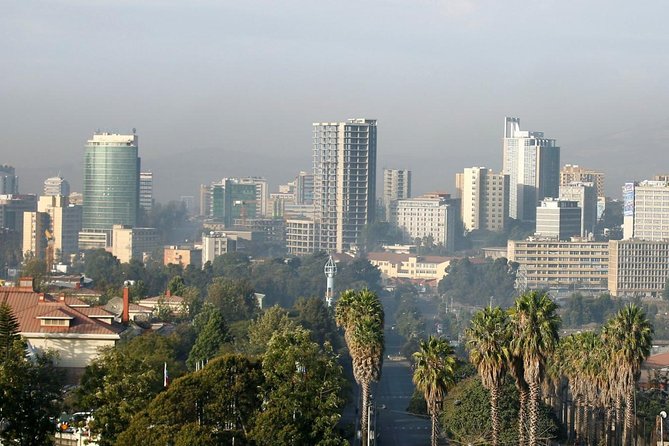
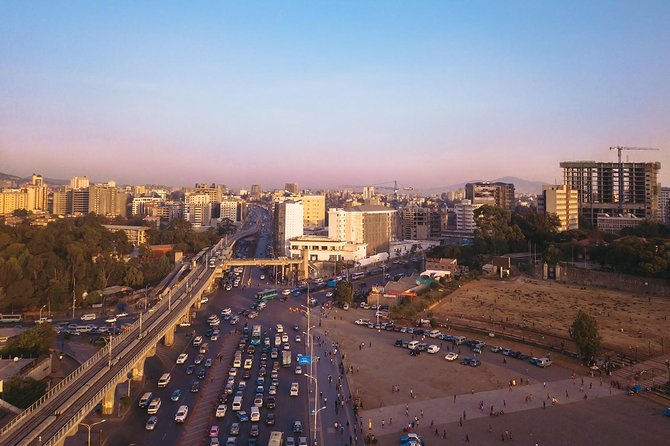
The official starting point is Bole Airport in Addis Ababa, though hotel pickup is also offered. The tour can meet you after an international arrival, which makes it a practical option for a long airport connection. The return is to the airport for departure or to your hotel.
You will want to give the operator your flight or hotel details clearly. Addis Ababa traffic can be slow, and a tour that works well for a 15-hour connection may not suit a shorter stop. The schedule is described as lasting about one day and ten hours, but the actual pace will depend on your pickup time, traffic, museum hours, market time, and flight departure.
The transport is by car with a professional driver. Several guide and driver combinations appear in the tour’s operating history, including Joseph with drivers such as George or Bart, and guides named Yoseph, Jocy, and Neway. Joseph is often specifically requested, but guide assignment should be confirmed at booking rather than assumed.
The Ethnological Museum in a former imperial palace
Your first main stop is the Ethnological Museum, located on the main campus of Addis Ababa University. The building was once the palace of Emperor Haile Selassie, giving the visit an extra layer beyond the museum displays themselves.
The collection covers anthropology, music, and culture. This is a useful first stop because it gives you background for the rest of the day. You can learn about Ethiopian communities, traditions, instruments, and everyday objects before seeing the city streets and shopping for food.
The museum was Ethiopia’s first university museum and houses the Institute of Ethiopian Studies. That academic connection helps explain why it is more than a display of old objects. It presents culture in a way that gives context to the ingredients, customs, and social traditions you encounter later.
The main caution is opening hours. One account notes that the museum was closed on a Monday, so you should confirm availability if your tour falls at the start of the week. If it is closed, the operator may adjust the city portion, but the museum should not be treated as guaranteed without checking.
Merkato, Addis Ababa’s enormous open-air market

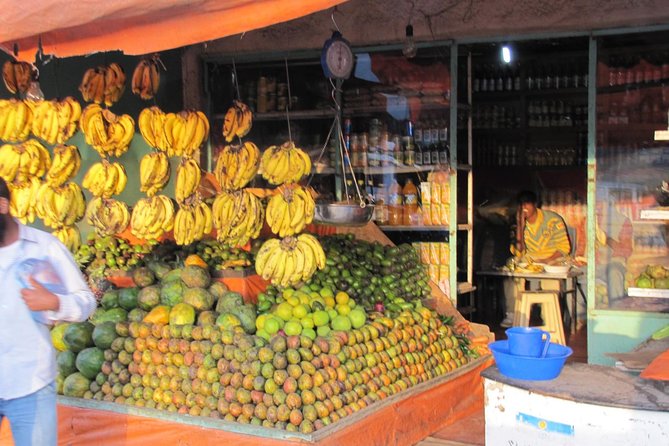
The next stop is Merkato, the market that gives this tour its strongest street-level character. It was established by the Italians around 1937 and is described as Africa’s largest open-air market, covering several square miles and supporting thousands of businesses and workers.
You are not visiting only to look around. The guide takes you through the process of buying ingredients for the cooking class. That purpose gives your walk direction, though you should expect a busy commercial setting rather than a tidy food hall arranged for sightseeing.
Merkato can feel intense. There are many businesses, people, vehicles, and goods packed into a large area. Your guide and driver are valuable here because they help you move with purpose and avoid wasting time. Keep your belongings secure, stay close to your guide, and ask before photographing people or shops.
The market stop also adds value to the meal. When you later eat shiro or mesir wot, you have already seen the basic shopping step behind the dish. You are not simply presented with a finished plate. You have followed the food from market stall to kitchen.
The time spent here may vary. Some people want a quick ingredient run, while others enjoy browsing and asking questions about local food. Tell your guide what interests you. The private format makes that kind of adjustment possible.
Other city tours in Addis Ababa:
- Addis Ababa Guided City Tour With Airport & Hotel Pick Up
★ 5.0 · 237 reviews - Full-Day Private City Tour of Addis Ababa
★ 5.0 · 147 reviews - Addis Ababa Authentic Private City Tour
★ 5.0 · 134 reviews - Authentic Addis Ababa City Tour with a Local Guide
★ 4.9 · 109 reviews
Cooking injera, shiro, and mesir wot
After shopping, you drive to a staff member’s home for the cooking portion. This is the heart of the experience. It takes place in a local home rather than a formal cooking school, so the setting should feel more personal and less staged.
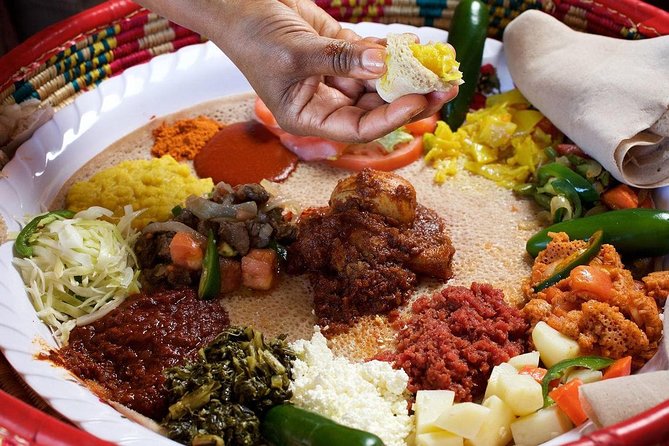
The first dish is injera, Ethiopia’s national food. Injera is a soft, spongy flatbread made from teff, and it is used both as food and as a plate for stews. You eat it with your fingers, using pieces of the bread to pick up the food.
The description does not provide a full recipe or say exactly how much of the injera preparation you will handle. You should therefore expect a guided introduction rather than assume you will make every stage from grain to finished bread. Ask your guide what part of the process you can take on.
Next comes shiro, a smooth dish made from chickpea powder. Its texture and flavor make it a familiar entry point for anyone new to Ethiopian food. It is also a useful choice for a meat-free meal.
Mesir wot uses split red lentils simmered in berbere sauce. Berbere is the spice blend that gives many Ethiopian dishes their heat and red color. If you do not eat spicy food, tell the guide before cooking begins. The supplied information does not promise a mild version, and adjusting the heat is easier before the dish is finished.
Lunch includes the food you prepare, a bottle of water, and Ethiopian coffee. Dinner is not included, and alcohol is also excluded. That makes sense for an experience built around a daytime meal, but you should plan your evening separately if you are staying in Addis Ababa.
The Ethiopian coffee ceremony
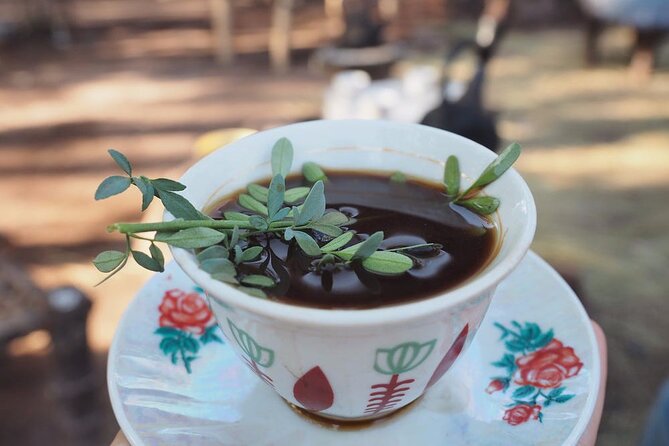
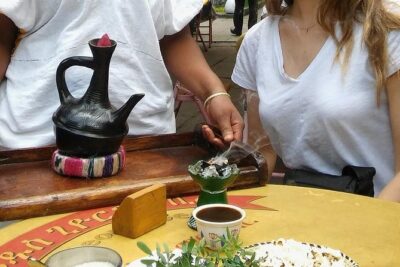
The coffee ceremony is more than a final beverage. It is a traditional social ritual and one of the most memorable ways to finish the visit. The coffee is prepared and served as part of the ceremony, giving you a chance to see the care attached to a daily drink in Ethiopia.
Several people who took shorter city tours singled out the coffee stop as a highlight. That fits the structure of this full-day version: after the museum, market, and cooking, coffee gives you time to slow down and talk.
The setting at a local home is important. You are not rushing through a restaurant order. You can ask about the ceremony, local customs, and the role of coffee in Ethiopian life. The exact presentation may vary, but coffee is included with lunch and is a central part of the visit.
If you do not drink coffee, you can still appreciate the ceremony as a cultural experience. The tour information does not specify an alternative drink, so mention dietary or beverage needs when you book.
Guides, drivers, and the private format
The strongest part of the operation is the guide service. Joseph is repeatedly singled out for his English, historical explanations, punctuality, and willingness to adjust the day. Yoseph is also praised for combining city sights with local coffee and for explaining Ethiopian customs.
That does not mean you are guaranteed one particular guide. The experience uses English-speaking professional guides, and names connected with the service include Joseph, Yoseph, Jocy, and Neway. If a specific guide matters to you, request that person in advance and ask for confirmation.
The driver is just as important in Addis Ababa. A private car lets you cover the museum, market, home, and airport or hotel without working out multiple taxis. George and Bart are among the drivers associated with the experience, and George is noted for punctuality and a friendly manner.
The private arrangement also suits special interests. People have used the service for photography, vegetarian food requests, Mount Entoto views, and short airport connections. The published itinerary for this experience does not promise Mount Entoto, so consider those additions requests rather than standard stops.
How much of Addis Ababa will you see?
This is a food-centered city tour, not a complete survey of every attraction in Addis Ababa. The named stops are the Ethnological Museum and Merkato, followed by the cooking class and coffee ceremony.
Some versions of the broader city service include the National Museum, Mount Entoto, panoramic views, or other stops. Those are not listed as guaranteed parts of this specific food experience. If you want Lucy at the National Museum or views from Mount Entoto, ask before booking so the operator can tell you if the route can be changed.
That limited focus is not a weakness for everyone. If your main goal is to understand Ethiopian food and meet local people, the museum and market provide enough city context without turning the day into a race through landmarks.
Who will get the most from this experience?
I would choose this tour if you have a long Addis Ababa layover, want a private guide, or prefer learning through food rather than only sightseeing. It also suits first-time visitors who want transport handled from airport pickup through return.
It is a good match for people curious about local customs, home cooking, and Ethiopian coffee. The cooking class gives you a more active day than a standard drive-around tour, though the amount of hands-on preparation may vary.
The tour is less suited to someone with a very short connection, a strict low budget, or a strong dislike of busy markets and spicy food. The schedule is long, and city traffic can affect how much time you spend at each stop.
Most participants can take part, and service animals are allowed. The experience is near public transportation, though the included private car is the practical way to follow the complete itinerary.
Booking, cancellation, and practical value
Confirmation is provided at booking. Group discounts are available, and the ticket can be used on a mobile device. The current rating is 5 out of 5 from 20 ratings, with 100 percent recommending it, but you should still match the tour to your own schedule and food preferences.
Free cancellation is available up to 24 hours before the local start time for a full refund. Cancellations or changes made within 24 hours are not refunded or accepted. The experience also requires good weather, and poor conditions may lead to another date or a full refund.
The $90 price includes the core costs that can add up quickly in a private day: transport, guide, admission, ingredients, lunch, water, and coffee. Tips and personal expenses are extra, as are dinner and alcoholic drinks.
Should you book this Addis Ababa cooking tour?
Book it if you want a private, food-focused introduction to Addis Ababa, especially during a long layover. The best reasons are the market shopping, local-home cooking, coffee ceremony, and the chance to request a guide such as Joseph or Yoseph.
Before paying, confirm the pickup time, museum opening day, expected return time, and whether your preferred guide is available. If you want a standard landmark checklist, ask about adding the National Museum or Mount Entoto. If you want a personal connection to Ethiopian food and daily life, this is one of the stronger ways to use a single day in the capital.
FAQ
Where does the tour start?
The listed meeting point is Bole Airport in Addis Ababa. Hotel pickup is also offered.
How long does the experience last?
The stated duration is approximately 1 day and 10 hours.
Is this a private tour?
Yes. Only your own group participates in the activity.
What food will I prepare?
The cooking session covers injera, shiro, and mesir wot.
Is lunch included?
Yes. Lunch includes the prepared food, a bottle of water, and Ethiopian coffee.
Is the Ethiopian coffee ceremony included?
Yes. The coffee ceremony takes place after the cooking and meal.
Is the Ethnological Museum always open?
You should confirm the museum schedule before booking. It was reported as closed on a Monday during one visit.
Can I be picked up at the airport after an international flight?
Yes. Staff can meet you after an international arrival at Bole Airport, and the tour can return you to the airport for departure.
What is not included in the price?
Tips, personal expenses, dinner, and alcoholic drinks are not included.
Just added out of Addis Ababa
- Yod Abyssinia Cultural Night: Dinner, Music, and Dance★ 5.0 · 7 reviews
- Locally crafted beer and wine tasting and nightlife in Addis tour★ 5.0 · 6 reviews
- Stunning Views Wonchi Crater Lake a Private Day Trip★ 5.0 · 3 reviews
- Two days Lake Wenchi and Menagesha Forest★ 5.0 · 3 reviews
- Tribes of the Ethiopian Omo Valley – 9 Day Tour★ 5.0 · 5 reviews
- Addis Ababa City Tours Full-Day Tours★ 5.0 · 5 reviews
- 3-Day Cultural Tour in South Omo Valley★ 5.0 · 4 reviews
- Day Trip to Tiya UNESCO Site & Melka Kunture Archaeological Site★ 4.5 · 3 reviews
Food Tours, compared.
Ethiopian Culinary Tour – Market, Food, Coffee Ceremony & more
Read our review →
Hidden Treasures of Addis Ababa – Food, Culture and History Tour
Read our review →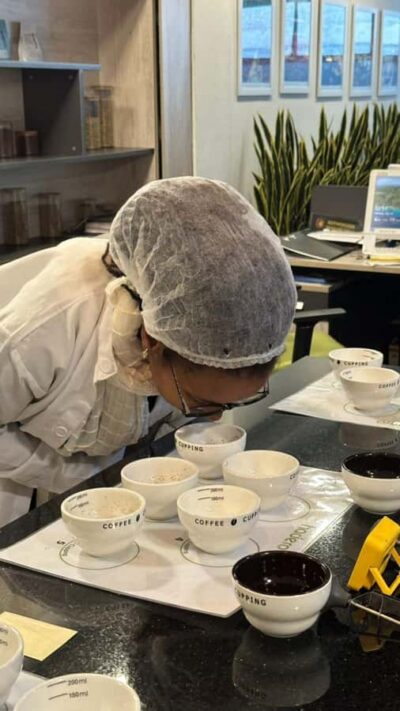
Ethiopia coffee cupping class/Ethiopian food injera making
Read our review →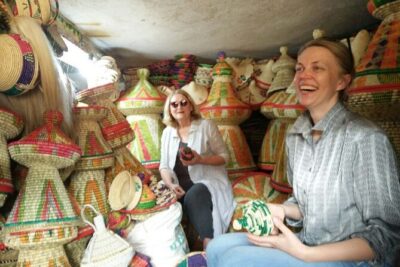
city tour of Addis Ababa ( history ,culture , food and more)
Read our review →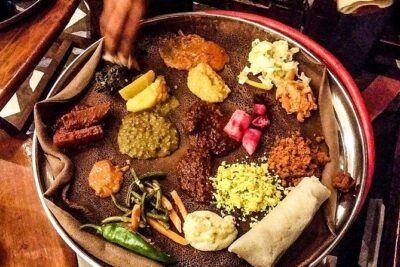
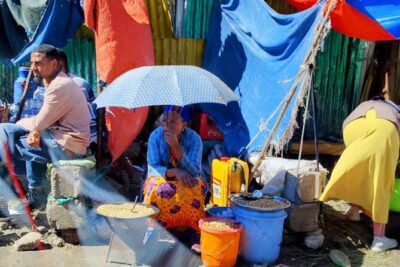
Half Day Food Tour Addis Ababa With Airport pickUp And Drop-Off
Read our review →
Browse the lists this tour appears in