
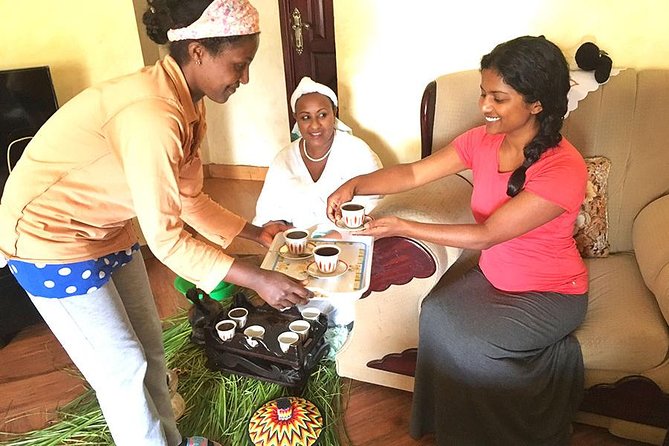
Reviewed · ETHIOPIAN COFFEE CEREMONY EXPERIENCES
Unique Ethiopian Cooking Class and Coffee Ceremony with a Local in Addis Ababa
Ethiopian food is best understood at the kitchen table, not from a restaurant menu. In Daniel and Tigist’s Addis Ababa home, you learn to make injera, cook a traditional dish, roast coffee from raw beans, and share the finished meal with the family. I like the personal setting and the chance to meet local hosts by name. I also like that you can choose lunch or dinner. The main drawback is practical: hotel pickup is not included, and the meeting arrangements have occasionally been unclear.
- A real home kitchen: This is a private visit with Daniel and Tigist, not a standard school with a commercial studio.
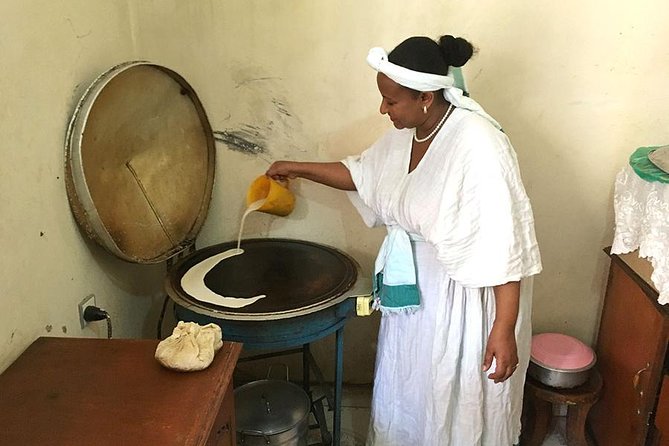
- Injera from the source: Tigist teaches you how to pour and cook Ethiopia’s famous fermented flatbread.
- Coffee roasted by hand: You handle raw beans before taking part in the traditional coffee ceremony.
- Food with context: You may prepare shiro, tibs, or another seasonal dish while learning how ingredients are used at home.
- Lunch or dinner choice: The roughly three-hour experience fits either a midday meal or an evening visit.
- Transport needs planning: You make your own way to the meeting point, so confirm the exact location before setting out.
A Home Kitchen on the Outskirts of Addis Ababa
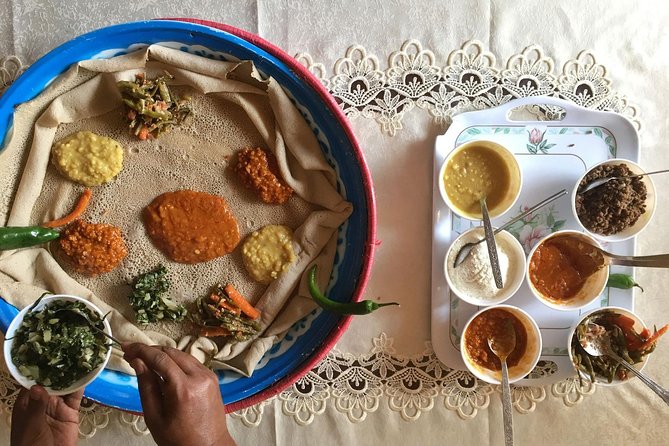
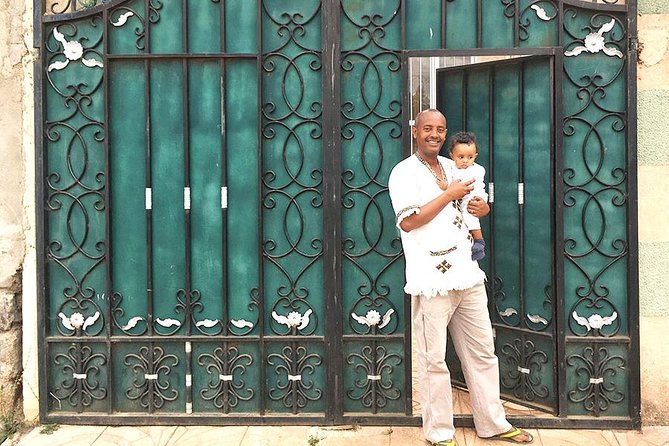
The appeal here is simple: you are invited into a real Addis Ababa home. Daniel and Tigist live outside the city center, in a calmer and greener neighborhood that sees fewer visitors. Their home is described as clean, comfortable, and homey, with family photographs and the possibility of meeting their three sons during an evening or weekend visit.
That setting changes the whole tone of the activity. You are not standing behind a counter in a cooking school while an instructor runs through a fixed script. You are in a family kitchen, watching how Ethiopian food is prepared in the place where it is normally eaten.
I like this kind of experience because the cooking becomes a doorway into daily life. You can ask Daniel and Tigist about their family, food habits, and life in Addis Ababa while the meal comes together. The family may be part of the atmosphere, particularly if you book dinner or visit on a weekend, but it is wise to understand that this is a home visit rather than a staged cultural show.
The experience is private, so only your own group takes part. That is useful if you want to ask questions freely, need a slower pace, or are traveling with family. It also means the $116 per-person price needs to be judged against the personal attention and home setting, not compared directly with a cheap group cooking lesson.
Meeting Daniel and Tigist Before the Meal
Daniel is your main host, while Tigist leads much of the cooking. The available information describes a friendly, intimate class built around their home and their own knowledge of Ethiopian cuisine.
Some past arrangements have included a stop at a local market with Daniel, where you can look at herbs, spices, and the ingredients used for the meal. This market visit is not clearly guaranteed as part of every booking, so ask about it in advance if it matters to you. One account also described a long trip to a different pickup location than expected, which makes clear that you should confirm the meeting point carefully before the day of the class.
The published start point is on an unnamed road in Addis Ababa, and hotel pickup and drop-off are not included. You may use nearby public transportation, but the exact directions deserve attention. Get the current address and meeting instructions from the provider, especially if you are staying far from the outskirts.
This is one of the few weak spots in an otherwise personal experience. The class itself is designed around hospitality, but transport communication has not always been equally smooth. Allow extra time and do not assume that the first location shown in your booking will be the final practical meeting place.
More coffee in Addis Ababa:
- Ethiopian Culinary Tour – Market, Food, Coffee Ceremony & more
★ 5.0 · 65 reviews - Market Tour and Cooking Class with a Coffee Ceremony at a Home in Addis Ababa
★ 5.0 · 32 reviews - Vintage Coffee Shops, Restaurants, Sightseeing in Addis Ababa
★ 5.0 · 17 reviews
Learning to Pour and Cook Injera
The main cooking lesson centers on injera, the soft, slightly sour fermented flatbread served with many Ethiopian dishes. Injera is not just a side dish. It is the plate, the utensil, and a key part of how the meal is shared.
Tigist shows you how to pour the batter and cook the flatbread properly. That sounds easy until you try to create an even round shape on a hot cooking surface. The lesson gives you a useful sense of the care involved in making a food that many visitors first encounter as something mysterious on a restaurant platter.
Do not expect to leave as an injera expert after one session. Fermentation, batter texture, heat, and timing all matter, and the class lasts about two hours before the coffee ceremony and meal are considered. The value is in seeing the process up close and trying it yourself, not in mastering every stage of Ethiopian bread-making.
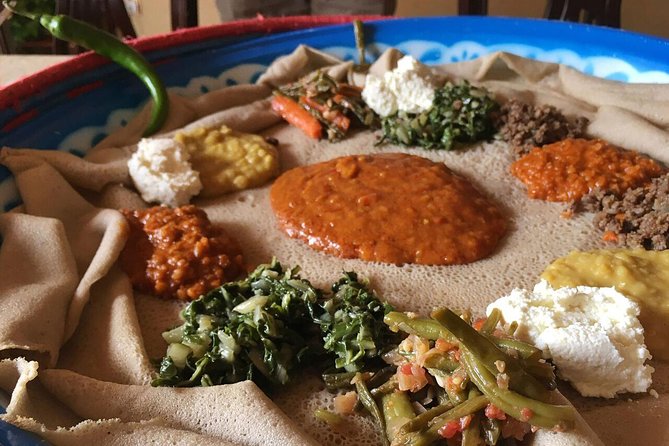
You might also learn to prepare shiro, a smooth stew made from chickpea or broad bean flour, or tibs, stir-fried meat cooked with vegetables and spices. The dish depends on the menu and the season, so the exact meal is not fixed.
That changing menu is a plus if you want a household-style meal rather than a recipe demonstration designed for tourists. It can be a small drawback if you have your heart set on one particular dish. You can request an additional dish in the booking notes, but doing so extends the cooking time.
Shiro, Tibs, and the Meaning of a Shared Meal
Shiro and tibs offer two different views of Ethiopian home cooking. Shiro is a comforting stew built from ground legumes, while tibs brings meat, vegetables, and spices together in a hot, savory pan. Both are usually eaten with injera, which lets you scoop up the food by hand.
The meal is part of the lesson, not just a reward at the end. As you eat, you get a better feel for how the dishes work together. The injera carries the stews and absorbs their sauces, so texture and flavor matter as much as the individual recipe.
I would recommend booking this for anyone who wants food to be the center of a cultural experience. You are not simply collecting a recipe. You are seeing how ingredients, cooking methods, and shared eating fit together in an Ethiopian household.
Vegetarians can take part, but you need to mention this when booking. The same applies to allergies, dietary restrictions, and cooking preferences. The menu may change by season, so early communication helps Tigist plan a suitable meal.
The inclusion of beverages, the meal, taxes, fees, and gratuities makes the price easier to understand. Still, $116 per person is a serious cost for a three-hour activity. It makes the most sense for people who place a high value on private access, conversation, and a home setting. If you only want to taste Ethiopian food, a restaurant meal will cost less.
Roasting Coffee from Raw Beans
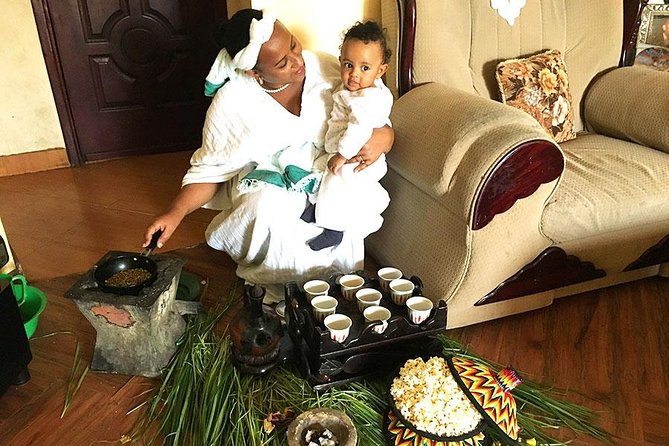
The coffee ceremony is the other major reason to book. You learn to roast coffee beans by hand before sitting down for the ceremony. That is more involving than simply being served a cup after dinner.
The raw beans give you a clear sense of the process. You see that coffee begins as a green bean that needs heat, attention, and timing before it becomes the dark, fragrant ingredient familiar in the cup. The roasting adds a practical activity to the cultural lesson, and the smell becomes part of the memory of the visit.
The ceremony also slows the pace. After handling ingredients and trying to cook injera, you can sit with your hosts and talk over freshly prepared coffee. This pause is important. It turns the visit from a fast class into a social gathering.
The exact details of the ceremony are not specified, so I would not book expecting a formal performance with a fixed sequence. Think of it as an opportunity to learn about Ethiopian coffee customs inside a family home, with Daniel and Tigist guiding you through the process.
Coffee lovers should make this a priority. Even if you are more interested in food than caffeine, the hand-roasting makes the activity feel complete. You experience the meal from raw ingredients through cooking, eating, and conversation.
Other kitchens to sit in around Addis Ababa:
- Ethiopian Cooking Class and Coffee Ceremony with a Local in Addis with transfers
★ 5.0 · 14 reviews - Addis abeba Full Cooking class.
★ 5.0 · 6 reviews - Private Ethiopian Home Cooking Class in Addis Ababa with Transfer
★ 5.0 · 5 reviews
Choosing Lunch or Dinner in Addis Ababa
You can choose a lunch or dinner session, which helps fit the class into a short Addis Ababa stay. A daytime visit may make transport easier, while an evening visit gives you a chance to meet the children if they are home.
The timing is listed as about three hours, with roughly two hours devoted to cooking. The remaining time covers the coffee roasting, ceremony, meal, and conversation. In practice, you should avoid scheduling another important appointment immediately afterward. A home meal is not the place to rush out because you have a museum reservation across town.
A Sunday or weekend visit may have a more family-centered feel, based on the information available. That can be appealing if you want to see the home as a lived-in place. It also means the pace may feel less like a tightly controlled class, which some people will enjoy and others may find less predictable.
If you are adding another dish, expect the cooking period to run longer. Put the request in your booking notes rather than waiting until you arrive. This gives the hosts a fair chance to buy ingredients and plan the lesson.
What the $116 Price Really Buys
At $116 per person, this is not a budget food outing. You are paying for a private experience, personal hosting, a prepared meal, beverages, cooking instruction, coffee roasting, and the chance to enter a local home.
The price has more value for a small group that wants personal attention. A family or group of friends can share the setting while keeping the class private. Group discounts may be available, but the specific discount is not provided, so check before booking.
The cost is harder to justify if you mainly want a quick meal or a formal lesson with a guaranteed menu. The menu can vary with the season, and the activity is deliberately informal. There is no promise of a restaurant-style presentation or a polished teaching kitchen.
I would compare it with the cost of a good meal plus a separate cultural activity in Addis Ababa. Here, those elements are combined, and the home setting is the part you cannot easily reproduce elsewhere. You are paying for time with Daniel and Tigist, not just for the food on the plate.
The rating shown for the experience is 4.7 from seven reviews, which suggests strong satisfaction but is still a small sample. I would use that as a positive signal, not as proof that every visit will run perfectly. Communication about transport remains the practical issue to watch.
Who Will Enjoy This Most
This experience suits you if you want to meet local people, ask questions, and take part in the cooking rather than watch a demonstration. It is a particularly good match for food-focused visitors, coffee fans, couples, families, and small private groups.
It also works well for a first visit to Addis Ababa because the hosts can provide a personal introduction to everyday food. You get context that a standard restaurant menu cannot provide.
You may want to skip it if you dislike eating in private homes, need a strict schedule, or expect a professional teaching facility. It is also not ideal for anyone who wants a guaranteed menu without discussing preferences in advance.
Tell the host about allergies, dietary restrictions, or vegetarian needs when booking. Service animals are allowed, and the activity is near public transportation, but you remain responsible for getting to the meeting point.
Cancellation is flexible only if you act early. You can receive a full refund by canceling at least two full days before the local start time. Changes or cancellations made inside that window are not accepted or refunded.
Should You Book Daniel and Tigist’s Cooking Class?
I would book this if your best travel memories come from sitting in someone’s home, learning a family recipe, and talking over coffee. The combination of injera, shiro or tibs, hand-roasted beans, and a private Addis Ababa setting gives you far more than a standard cooking lesson.
Before paying, confirm the exact meeting point, ask if a market visit is planned, and tell the hosts about food needs. If you do that, the experience offers a warm and personal look at Ethiopian cooking and home life.
Skip it if $116 feels high for three hours or if you prefer a fixed itinerary with hotel transport. For everyone else, especially people who want a human connection alongside the meal, this is one of the more memorable ways to spend an afternoon or evening in Addis Ababa.
FAQ
How long does the cooking class and coffee ceremony last?
The full experience lasts approximately three hours. The cooking class itself takes about two hours, followed by coffee roasting, the coffee ceremony, the meal, and conversation.
Where does the experience take place?
It takes place in Daniel and Tigist’s home in the outskirts of Addis Ababa. The published start point is on an unnamed road, so confirm the exact meeting instructions before leaving for the activity.
Is hotel pickup included?
No. Hotel pickup and drop-off are not included. The experience is near public transportation, and you must make your own way to the meeting point.
What food will I learn to cook?
You will learn to make injera and may also prepare shiro, a chickpea or broad bean stew, or tibs, stir-fried meat with vegetables and spices. The menu may change according to the season.
Can I request vegetarian food or report an allergy?
Yes. Vegetarian food is available, but you should advise the provider when booking. You should also report allergies, dietary restrictions, and cooking preferences at that time.
Can I cancel for a full refund?
Yes, if you cancel at least two full days before the experience’s local start time. Cancellations or changes made less than two full days in advance are not refunded or accepted.
More coffee houses and roasteries in Addis Ababa
- Ethiopian Culinary Tour – Market, Coffee Ceremony and More
★ 5.0 · 10 reviews - Ethiopia coffee cupping class/Ethiopian food injera making
★ 5.0 · 10 reviews - Coffee Cupping Tour in Addis Ababa
★ 5.0 · 5 reviews - Addis Ababa City Experience : Markets, Coffee & Local Life
★ 4.8 · 5 reviews
Just added out of Addis Ababa
- Yod Abyssinia Cultural Night: Dinner, Music, and Dance★ 5.0 · 7 reviews
- Locally crafted beer and wine tasting and nightlife in Addis tour★ 5.0 · 6 reviews
- Stunning Views Wonchi Crater Lake a Private Day Trip★ 5.0 · 3 reviews
- Two days Lake Wenchi and Menagesha Forest★ 5.0 · 3 reviews
- Tribes of the Ethiopian Omo Valley – 9 Day Tour★ 5.0 · 5 reviews
- Addis Ababa City Tours Full-Day Tours★ 5.0 · 5 reviews
- 3-Day Cultural Tour in South Omo Valley★ 5.0 · 4 reviews
- Day Trip to Tiya UNESCO Site & Melka Kunture Archaeological Site★ 4.5 · 3 reviews
Ethiopian Coffee Ceremony Experiences, compared.
Ethiopian Culinary Tour – Market, Food, Coffee Ceremony & more
Read our review →
Market Tour and Cooking Class with a Coffee Ceremony at a Home in Addis Ababa
Read our review →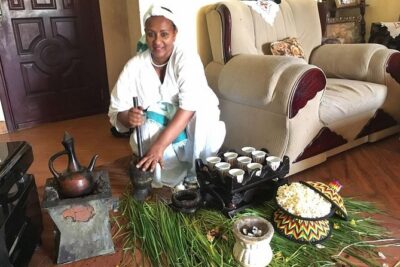
Ethiopian Cooking Class and Coffee Ceremony with a Local in Addis with transfers
Read our review →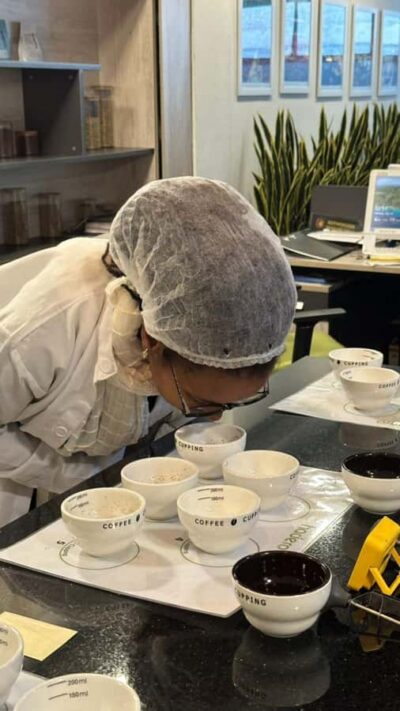
Ethiopia coffee cupping class/Ethiopian food injera making
Read our review →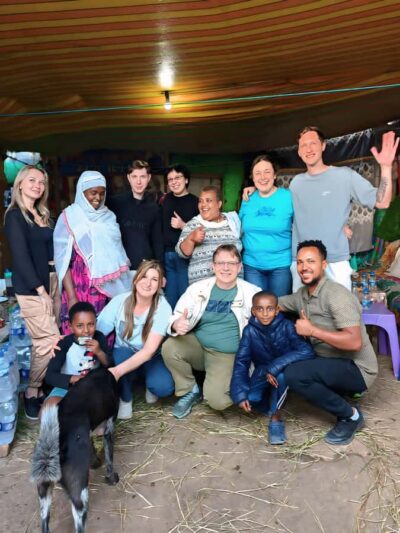
Addis Ababa City Experience : Markets, Coffee & Local Life
Read our review →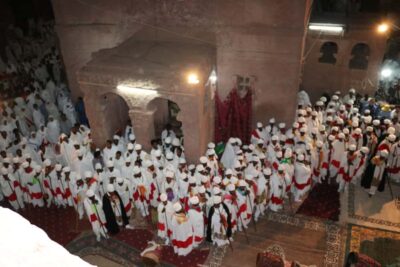
Churches Full-Day Private Tour w/Coffee Ceremony
Read our review →
Browse the lists this tour appears in