
Reviewed · COOKING CLASSES
Addis abeba Full Cooking class.
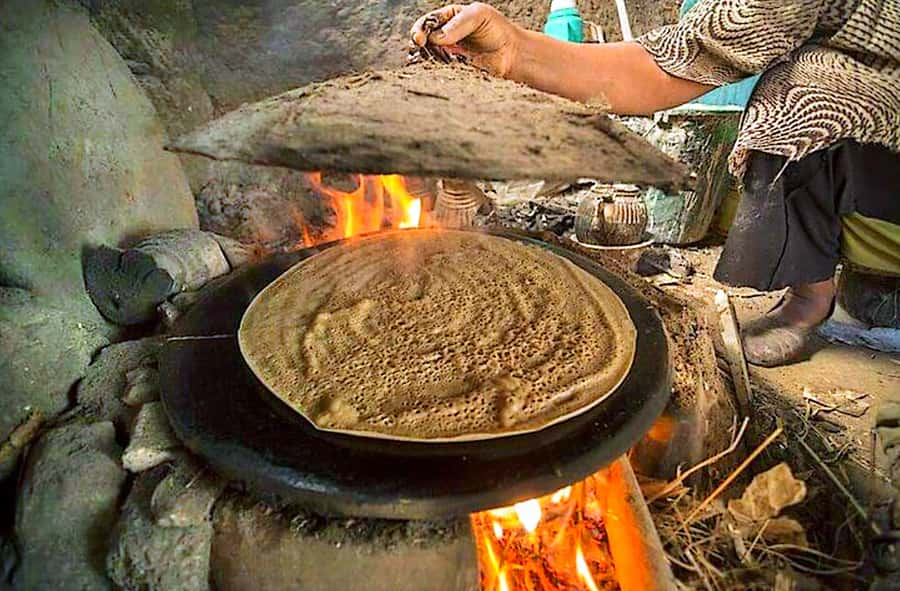
Ethiopian cooking is best understood with your hands, and this Addis Ababa class puts you right at the stove. You visit Shola Market, see Lucy at the National Museum, then cook injera, shiro wot, and coffee with Abraham and Selam in a local home.
I like the small group limit of seven, which should make it easier to get practical help at the cooking fire. I also like that pickup, lunch, museum entry, and drop-off are included, a useful package if you have only a short time in Addis Ababa. The main consideration is price: at $90 per person, it costs more than a simple cooking lesson, and four hours may feel short once the city stops are included.
Key points
- Make injera from start to finish: Learn about Ethiopia’s fermented, slightly sour flatbread and try cooking it yourself.
- Cook shiro wot: Prepare a popular chickpea stew, then eat the meal you helped make.
- See Lucy at the National Museum: The museum stop adds an important piece of Ethiopian history to the food lesson.
- Visit Shola Market: Watch daily commerce and see the range of goods sold in a major Addis market.
- Share coffee the Ethiopian way: Roast fresh beans and prepare coffee with your host.
- Useful for a short stopover: Airport pickup and drop-off make this a practical four-hour outing.
From airport pickup to Shola Market
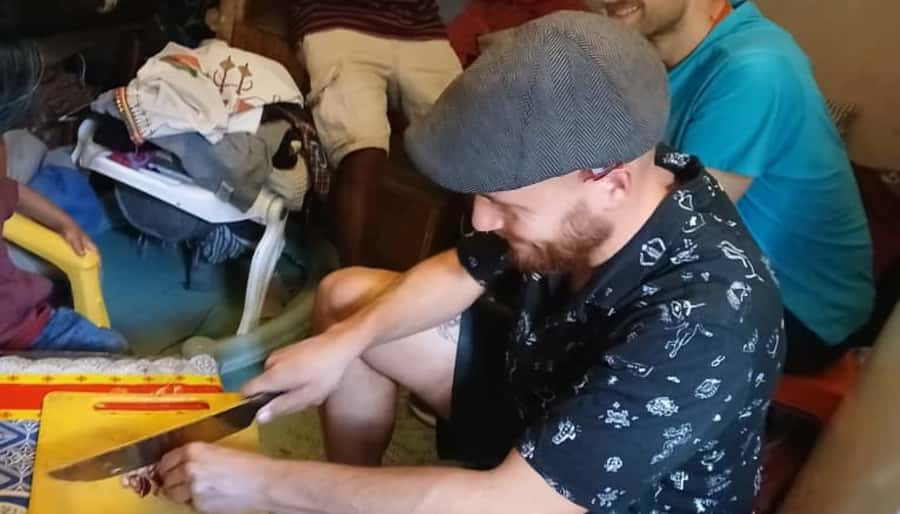
The day begins with pickup from Addis Ababa Bole International Airport or your hotel. If you arrive at the airport, the guide waits with a banner showing your name, which should make the meeting point easier to find. Hotel pickup is also available.
Your first stop is Shola Market, where people sell their own products each day. This is not just a quick photo stop. It gives you a look at the everyday buying and selling that supports life in Addis Ababa, before you move into the more personal setting of the cooking class.
I would keep your expectations practical here. The market is described as a place where you can find many kinds of products, but the activity does not promise a guided shopping list or time for extended bargaining. If you like markets, the stop will help you get a feel for the city. If cooking is your main goal, you may wish the visit were shorter.
The city drive between stops is part of the day. It gives Abraham, Reta, or another assigned guide a chance to explain parts of Addis Ababa as you go. The information names Abraham and Selam as the main hosts, while one booking account specifically praises Reta as the guide. If a particular guide matters to you, confirm the names when booking.
Other kitchens to sit in around Addis Ababa:
Meeting Lucy at the National Museum
Before reaching the home kitchen, the route includes the Ethiopia National Museum. The main reason for the stop is Lucy, the famous hominid fossil associated with Ethiopia.
This visit changes the rhythm of the outing in a useful way. You are not only learning how to prepare lunch. You are also seeing one of the country’s best-known cultural attractions. For a first visit to Addis Ababa, that combination makes sense, especially if your schedule is too tight for a separate museum tour.
The museum stop is an added benefit, but it also takes time from the cooking portion. The total activity lasts four hours, and that includes pickup, city driving, Shola Market, the museum, cooking, eating, and coffee. You should not expect a long museum visit and a slow, full-day culinary course in the same package.
If you have an eleven-hour layover, as one participant did, the format is especially useful. It gives you a controlled way to leave the airport, see part of the city, and return with airport drop-off included. Still, allow enough personal buffer around the four-hour schedule. The activity includes transportation, but airport procedures and traffic are not described in detail.
Entering a shared home kitchen
The cooking class takes place in a local home kitchen rather than a polished school designed for tourists. That setting is the heart of the activity.
You may cook in a small kitchen shared by Selam and her neighbors, then eat in her living room. This arrangement offers a close look at how food is prepared in an ordinary home setting. It also means you should expect a modest space, not a restaurant kitchen with individual workstations and lots of room.
That distinction matters. A home kitchen can feel more personal and direct, but you may stand close to other people and have less control over the pace. The group is limited to seven, which helps, but the space itself is still described as small.
Selam leads the hands-on cooking, while Abraham helps with translation and conversation. English and French are offered, and the experience works best if you want to ask questions and take part rather than simply watch a demonstration.
The human side of the class is one of its strongest features. You have time to talk with the hosts about daily life, family, and food. That kind of exchange is hard to get from a standard restaurant meal or a large coach tour.
Learning the long process behind injera
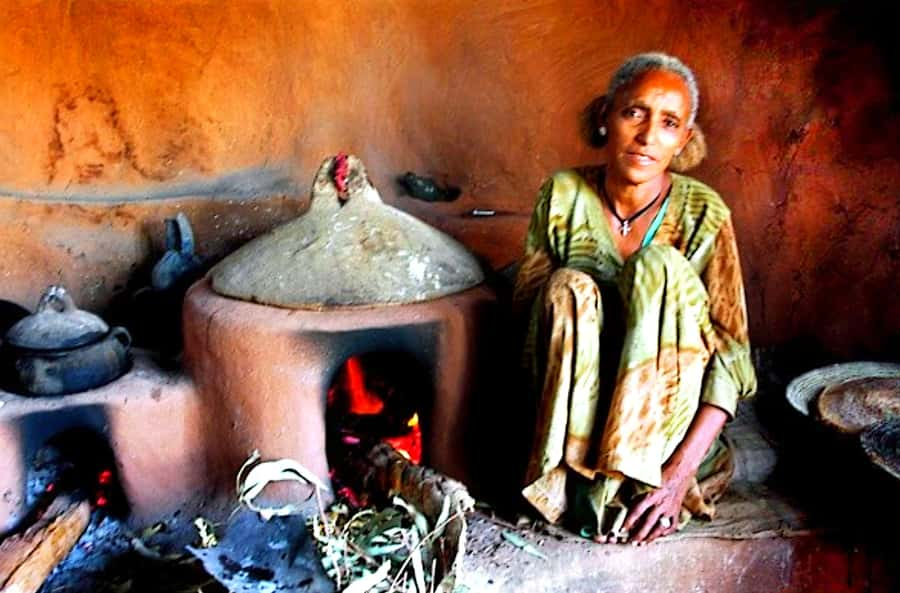
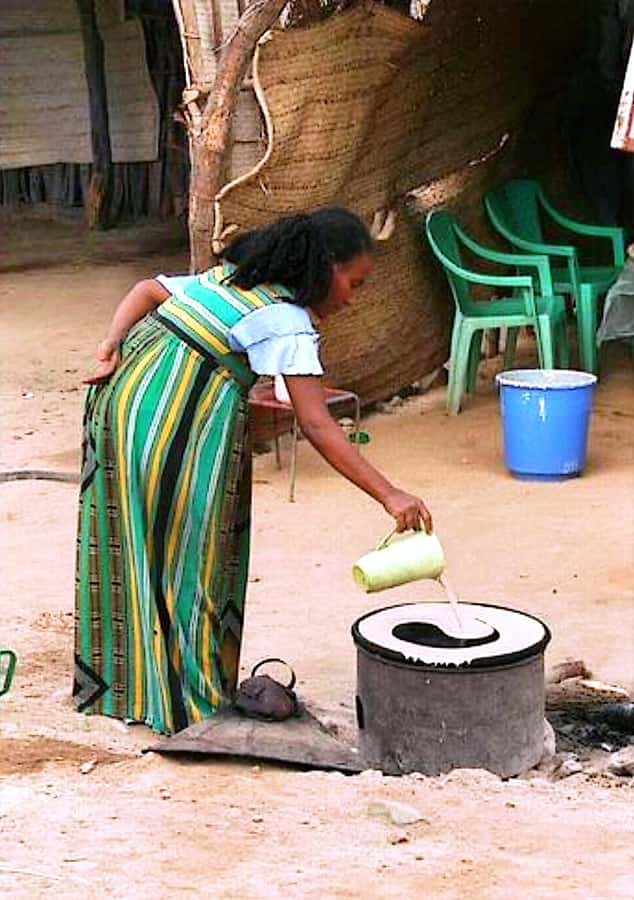
The central lesson is injera, Ethiopia’s soft, foam-textured flatbread. It is used as both food and utensil, so learning to make it gives you a better understanding of how Ethiopian meals are eaten.
Injera dough ferments for three days before cooking. That long fermentation produces its slightly sour taste and distinctive texture. You will not be able to complete the entire three-day fermentation during a four-hour class, but you can learn how the process works and practice baking the prepared batter.
The class covers three color varieties: white, brown, and red. The exact amount of hands-on time for each type is not specified, so you should think of this as an introduction rather than a full professional lesson.
Making injera takes more than mixing batter. The cook must spread it across the cooking surface and judge when the top has formed its familiar pores and the bread is ready. Selam lets you do most of the cooking, according to the experience details, which is important. You are not just watching someone else make lunch.
Wear comfortable shoes, as requested, and choose clothing you can move in. Warm clothing is also advised, which suggests that conditions may feel cool at some point during the outing. A camera is welcome, but ask before photographing people in the home or market.
Same starting point, a very different trip:
- Full Day Tour of Addis Ababa with Hotel Pickup and Drop-off
★ 5.0 · 430 reviews - Taste of Ethiopia
★ 5.0 · 406 reviews - Day Trip From Addis Ababa See Historical Monastery,Stunning Nature,Animals,Birds
★ 5.0 · 303 reviews - Addis Ababa: Debre Libanos, Blue Nile Gorge, and Cave Tour
★ 4.5 · 256 reviews
Cooking shiro wot beside the injera
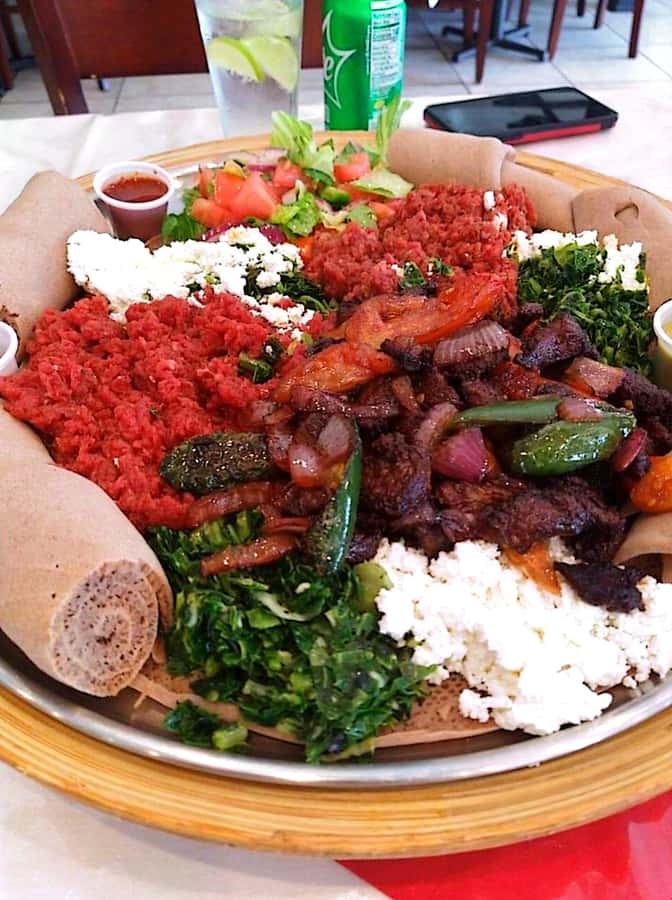
Alongside the bread, you prepare shiro wot, a spicy stew made from puréed chickpeas. It is a common Ethiopian dish and a good partner for injera.
This part of the lesson gives you a better sense of how the meal comes together. Injera is not an isolated flatbread served on the side. It forms the base of the meal, while the stew supplies the main flavor and texture.
The information calls the dish shiro wot and also uses the spelling shiro wate. You may see both spellings in Ethiopia. The recipe is described as spicy, so tell your hosts about any food concerns before cooking begins. The supplied information does not list vegetarian, vegan, allergy, or other dietary arrangements, so do not assume special substitutions are available.
After the cooking, you taste your own meal. That is a small but important payoff. You can connect the finished dish with the steps you just practiced, rather than eating an unrelated lunch prepared by someone else.
Lunch is included in the $90 price. Breakfast and dinner are not included, and a gratuity is also excluded. Carry some cash if you wish to thank the hosts or guides, but the listed price does not specify a required amount.
Roasting coffee with your host
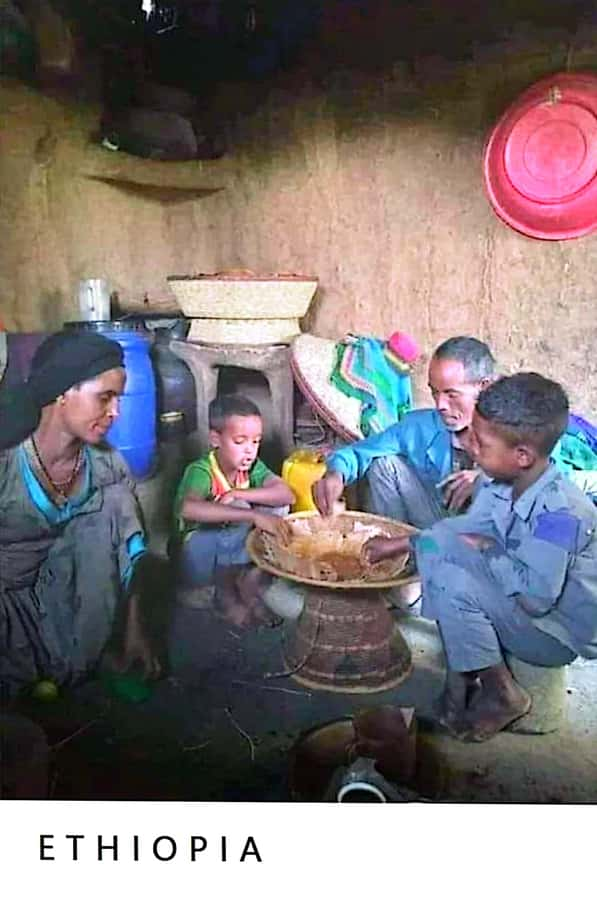
The coffee portion follows the cooking class. You make coffee using freshly roasted beans with help from your host.
Ethiopia is closely associated with coffee, so this is more than an extra drink at the end of lunch. Roasting and preparing the beans lets you see another part of Ethiopian food culture in a personal setting.
The activity does not give a detailed breakdown of each coffee step or state how much coffee you will drink. You should expect a guided introduction rather than a specialist barista course.
I like the way the coffee lesson completes the meal. You begin with market goods, turn basic ingredients into injera and shiro wot, then finish with freshly roasted coffee. It gives the four-hour outing a clear food story from ingredients to shared table.
What the $90 price really covers
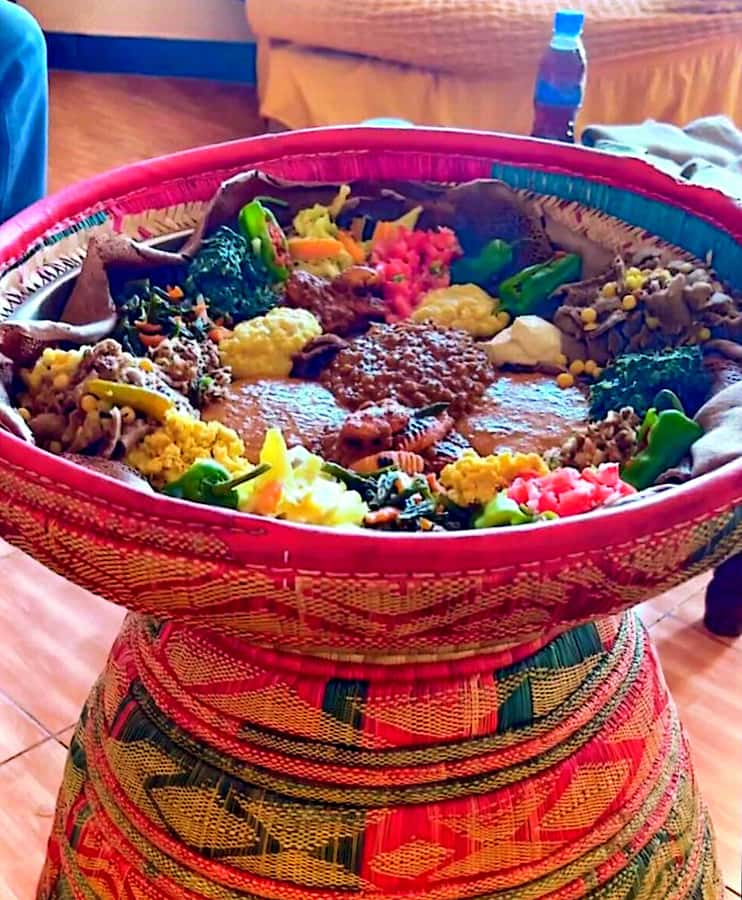
At $90 per person, this is not the cheapest way to eat in Addis Ababa. You could spend far less on a meal alone. The price makes more sense when you count the package: airport or hotel pickup, transport around the city, Shola Market, the National Museum, entrance fees, a cooking class, lunch, coffee, and drop-off.
The value depends on how much of that package you would arrange separately. If you have a short stop in Addis Ababa, combining city sightseeing with a home meal can save planning time. The airport pickup and drop-off are especially useful when you do not want to work out transport during a layover.
If cooking is your only interest, the price may feel high for a four-hour lesson. One person who enjoyed the activity still felt it could cost less. That is a fair point. You are paying for the people, transport, museum admission, and access to a private home setting, not just the ingredients.
The small group size improves the value. With no more than seven participants, you have a better chance of touching the dough, working at the stove, and asking questions. A private booking would likely feel more personal, but no private option is specified.
Who will get the most from this class

I would recommend this activity to you if you want a direct introduction to Ethiopian food and have limited time in Addis Ababa. It is also a good match if you prefer meeting local people in their home to sitting in a commercial cooking studio.
The class suits curious eaters who want to try making injera, not just photographing it. It also works well for someone who wants a gentle first look at Addis Ababa through a market, museum, meal, and coffee.
The experience may be less suitable if you need a carefully structured professional kitchen, a long museum visit, or detailed culinary training. The home setting is part of the appeal, but it also means the space may be small and the pace may depend on the hosts and the group.
The activity is listed as unsuitable for people over 95. No other restrictions are stated. Alcohol and drugs are not allowed.
Practical details before you book
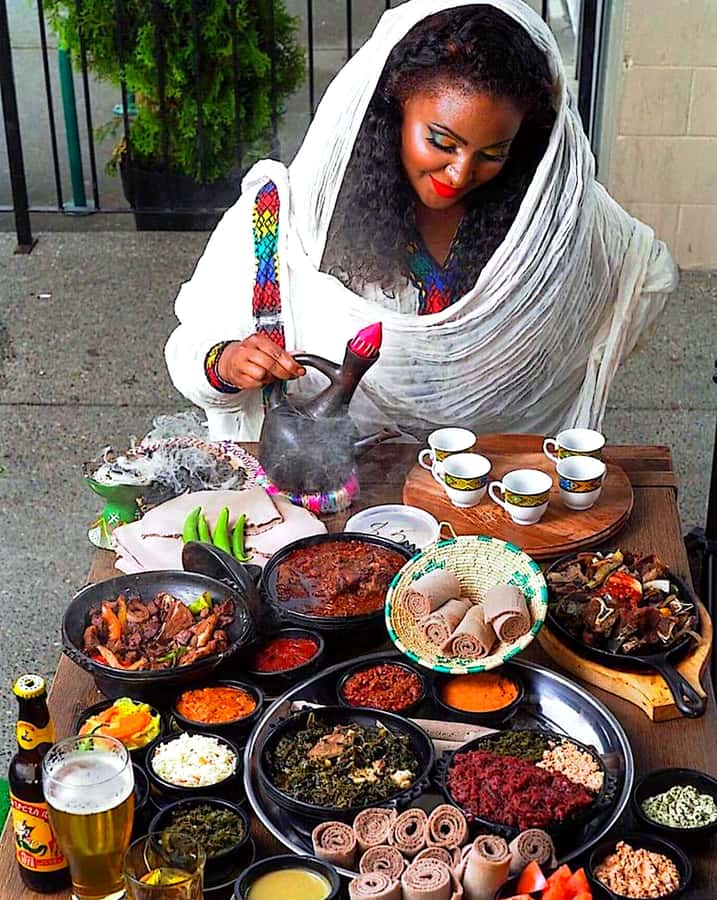
The tour lasts four hours, and you need to check available starting times. English and French guiding are offered. Pickup is included from the airport or your hotel, followed by drop-off after the activity.
The cancellation policy allows a full refund if you cancel at least 24 hours ahead. You can also reserve now and pay later, which helps if your Addis Ababa plans may change.
Bring comfortable shoes, warm clothing, and a camera. Do not bring alcohol or drugs. Because the activity takes place in a local home, modest, practical clothing is a sensible choice, although no formal dress code is provided.
You should also confirm the pickup point and the names of the guide and hosts. Abraham and Selam are identified with the class, while Reta is named in one account as an excellent guide. That quick check can prevent confusion, especially when meeting at an airport.
Should you book the Addis Ababa cooking class?
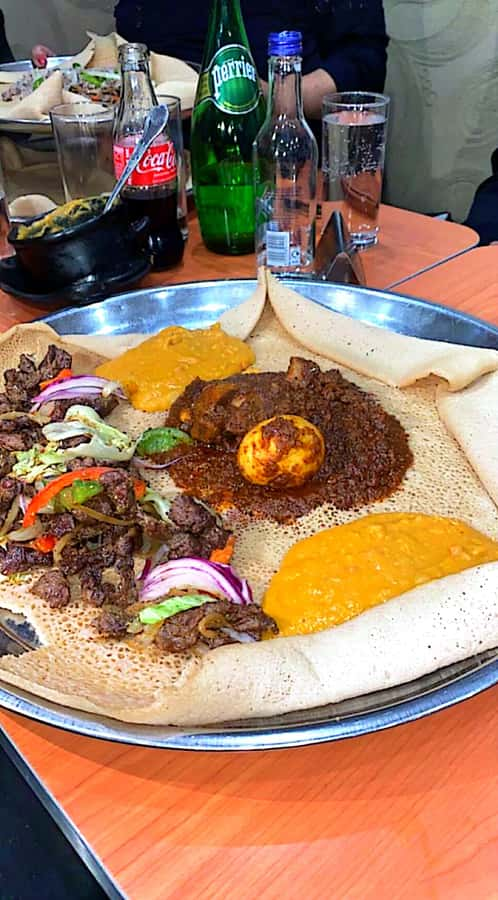
Book it if you want an active, personal introduction to Ethiopian food and need airport or hotel transport included. The strongest parts are the hands-on injera lesson, the chance to cook in a real home kitchen, the coffee preparation, and the friendly connection with Abraham and Selam.
Think twice if $90 feels high for a four-hour activity or if you want a full cooking school course. The schedule covers a lot, and the market and Lucy museum visit reduce the time available for detailed instruction.
For a short Addis Ababa stay, I think the combination makes the price easier to justify. You leave with more than lunch: you see a market, meet local hosts, handle the food yourself, and gain a practical sense of how injera, shiro wot, and Ethiopian coffee fit together.
FAQ
How long does the Addis Ababa cooking class last?
The activity lasts four hours, including pickup, city visits, cooking, lunch, coffee, and drop-off.
Is airport pickup included?
Yes. Pickup is available from Addis Ababa airport or your hotel. At the airport, the guide waits with a banner showing your name.
What dishes will I learn to make?
You will learn to bake injera and cook shiro wot, a spicy puréed chickpea stew. Lunch includes the food you prepare.
Is coffee included in the class?
Yes. You will learn to make Ethiopian coffee using freshly roasted coffee beans with help from your host.
What language is the tour offered in?
Live guiding is available in English and French.
How many people can join the group?
The group is limited to seven participants.
Just added out of Addis Ababa
- Yod Abyssinia Cultural Night: Dinner, Music, and Dance★ 5.0 · 7 reviews
- Locally crafted beer and wine tasting and nightlife in Addis tour★ 5.0 · 6 reviews
- Stunning Views Wonchi Crater Lake a Private Day Trip★ 5.0 · 3 reviews
- Two days Lake Wenchi and Menagesha Forest★ 5.0 · 3 reviews
- Tribes of the Ethiopian Omo Valley – 9 Day Tour★ 5.0 · 5 reviews
- Addis Ababa City Tours Full-Day Tours★ 5.0 · 5 reviews
- 3-Day Cultural Tour in South Omo Valley★ 5.0 · 4 reviews
- Day Trip to Tiya UNESCO Site & Melka Kunture Archaeological Site★ 4.5 · 3 reviews
Cooking Classes, compared.
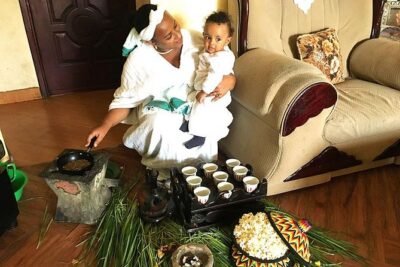
Market Tour and Cooking Class with a Coffee Ceremony at a Home in Addis Ababa
Read our review →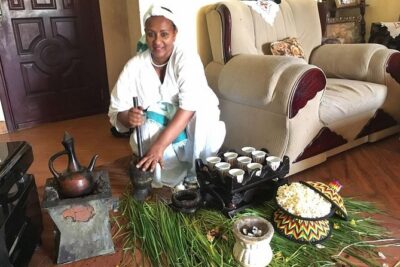
Ethiopian Cooking Class and Coffee Ceremony with a Local in Addis with transfers
Read our review →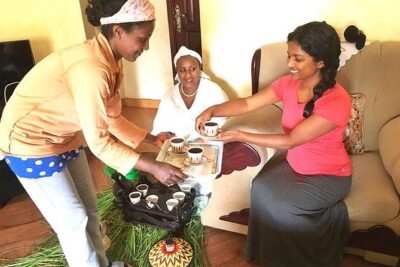
Unique Ethiopian Cooking Class and Coffee Ceremony with a Local in Addis Ababa
Read our review →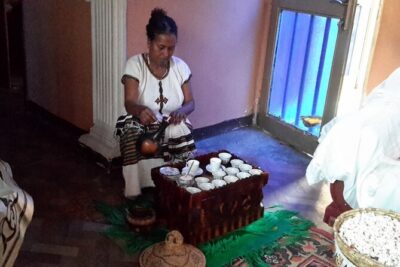
Private Ethiopian Home Cooking Class in Addis Ababa with Transfer
Read our review →Browse the lists this tour appears in