
Reviewed · COOKING CLASSES
Private Ethiopian Home Cooking Class in Addis Ababa with Transfer
The most appealing part of this private Ethiopian cooking class is its setting: a real home in Sansusi, on the outskirts of Addis Ababa, rather than a formal cooking school. Hilena teaches family recipes, and you eat the food together afterward. That simple pattern, shop, cook, share, gives the visit a useful look at daily Ethiopian food culture.
I like the chance to visit the local market and help choose vegetables and herbs. I also like the generous spread, including beyaynetu, shiro, genfo, and anebabero, followed by Ethiopian coffee. The main consideration is distance and communication: Hilena’s home is about 20 kilometers from the airport, and her brother translates because her English is limited.
Key points to know before booking
- Hilena cooks in her own home: You learn family recipes in a working household kitchen, not a staged restaurant classroom.
- Sansusi market adds local context: The optional market visit includes stalls with grains, produce, fruit, clothing, live chickens, and sheep.
- The meal is substantial: Expect beyaynetu, shiro, genfo, anebabero, and coffee, with the menu changing by season.
- Translation is built in: Hilena’s brother stays throughout the class to help with English communication.
- The setting is outside central Addis: Her home is about 20 kilometers from the airport, so pickup and traffic time matter.
- This is a private booking: Only your own group takes part, although other people may be staying at Hilena’s guest house.
A home kitchen instead of a cooking studio
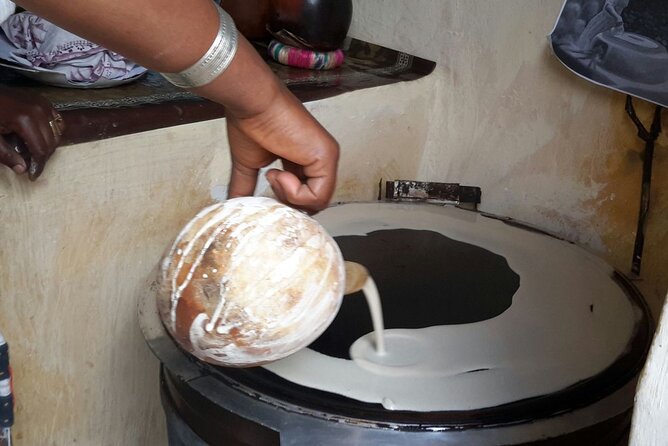
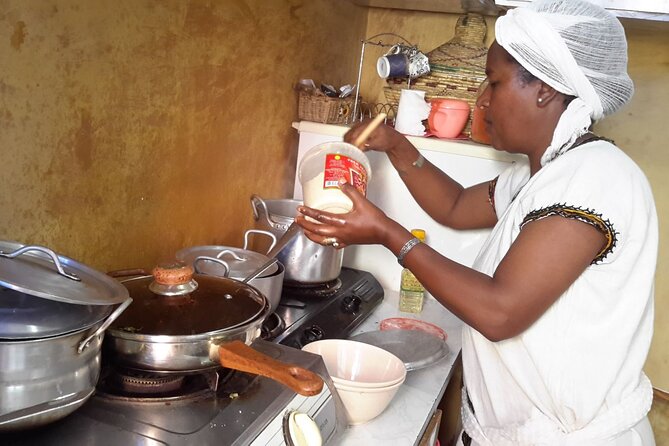
If you want food lessons tied to real life, this class has the right setting. Hilena is a native of Addis Ababa and has cooked since childhood. You work in her home kitchen, using family recipes and sharing the finished meal in the same household.
That matters because Ethiopian food is not only about individual dishes. It is also about how food is prepared, served, and eaten together. The class gives you time to see that pattern rather than simply receiving a plate in a restaurant.
The experience lasts about three hours. That is long enough for a market walk, cooking, eating, and coffee, but it is not a full-day food tour. I would allow extra time around the scheduled activity if your day includes airport plans or another appointment.
The class is private for your group. Hilena runs a guest house, so other people may be present at the property, but your cooking activity remains private. This works well for couples, families, and small groups who want a more personal pace.
Other kitchens to sit in around Addis Ababa:
Walking through Sansusi market
The market option begins in Sansusi, a neighborhood on the outskirts of Addis Ababa. It is a street-side market rather than a polished food hall. You might see stalls selling grains, vegetables, fruit, clothing, live chickens, and sheep.
I like this part because it explains where the cooking starts. Instead of treating ingredients as anonymous items in a recipe, you can see the local produce and learn about foods grown in the area. You may buy a few vegetables and herbs for the class, then walk back to Hilena’s home with the ingredients.
The market is also a practical reminder that Addis Ababa is a working city, not just a collection of monuments and museums. The setting may feel busy and informal, and the range of goods can be wider than what you expect from a short food stop.
There is one detail to check carefully when booking: the supplied description presents the market as an option, while the core stop is the home cooking class. If the market matters to you, confirm that you have selected the market version and ask how the pickup and timing work.
Cooking two Ethiopian dishes with Hilena
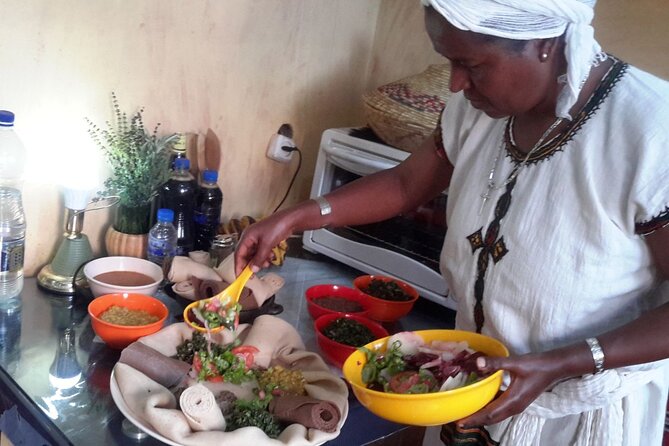
Back at the house, Hilena teaches you to prepare two traditional Ethiopian dishes. The recipes come from her family, and she has been cooking since childhood. The class is therefore less about professional chef technique and more about learning how a local household approaches familiar food.
Because the menu can change with the season, you should not assume that the exact same dishes appear every time. You can request a vegetarian meal, and you should give details about allergies, dietary restrictions, or cooking preferences when you book.
Hilena is not very fluent in English, so her brother helps translate throughout the activity. That arrangement is important. It means you can still ask questions and follow the class, but the conversation may not have the easy, uninterrupted flow of a class taught entirely in English.
I would treat the translation as part of the experience rather than a problem, while keeping your questions clear and practical. Ask about ingredients, cooking steps, how the dish is served, and how the recipes change at home. The brother’s presence helps bridge the language gap and keeps the class moving.
What appears on the shared table
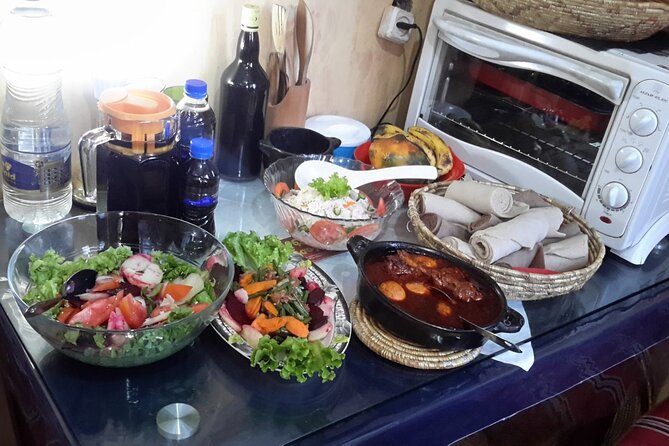
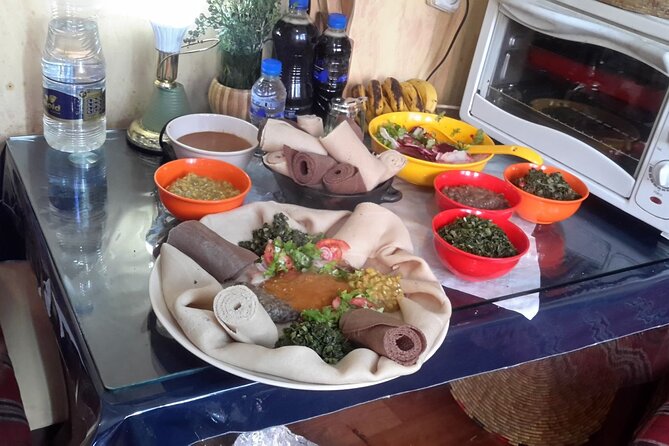
The meal includes several classic Ethiopian preparations:
- Beyaynetu: A vegetable platter that gives you several tastes in one meal.
- Shiro: A chickpea stew with a smooth, comforting texture.
- Genfo: A traditional porridge.
- Anebabero: Ethiopian bread made in the house.
- Ethiopian coffee: Served at the end as a relaxed finish.
The supplied meal description names these dishes, but the menu can vary by season. That is useful to remember if you have a strong preference or food restriction. Tell the provider in advance rather than waiting until you arrive.
The food portion is another point to plan for. The meal is described as generous, and the cooking class can feel like a long session with plenty to eat. I would arrive hungry, but not so hungry that you rush through the cooking.
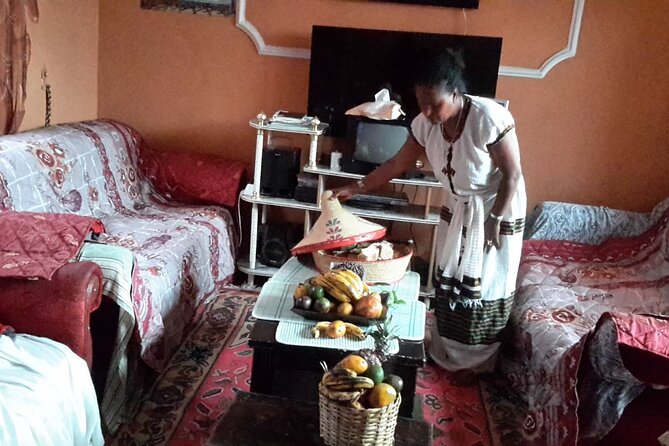
The shared meal is likely the most social part of the activity. You do not simply cook and leave. You sit down in the home and eat what you helped prepare. That connection between work and meal gives the class its strongest sense of place.
A few more trips from Addis Ababa worth a look
- Authentic Addis Ababa Experience with Local Guide & Driver
★ 4.9 · 14 reviews - Bole Airport Transfer
★ 4.0 · 5 reviews - Car Rental with Private Driver
★ 5.0 · 5 reviews - City and Airport Transfer in Addis Ababa
★ 5.0 · 4 reviews
Why the coffee finish matters
The coffee at the end is more than a final drink added to the schedule. It gives the experience a slower close after the market, kitchen work, and meal. You can relax in the home rather than ending abruptly when the last dish is served.
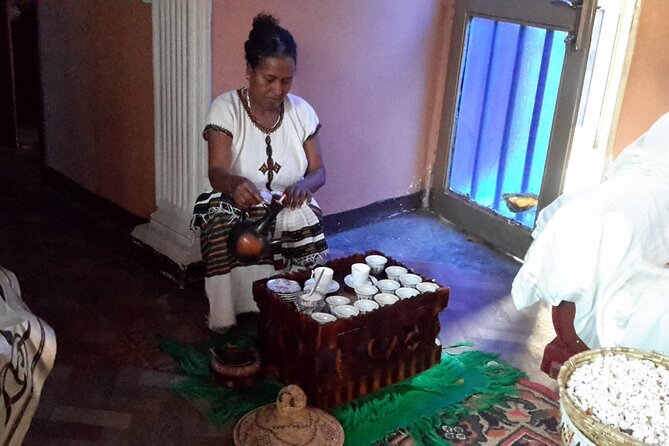
Ethiopia is closely associated with coffee, so this final cup fits the setting. The description calls it delicious Ethiopian coffee, but it does not specify a formal coffee ceremony or a detailed demonstration. You should expect coffee as part of the visit, not assume a separate ceremonial program.
This is also a good time to ask final questions through Hilena’s brother. You might want to clarify a spice, cooking method, or ingredient you plan to use at home. The informal end suits the family-home setting.
Location, pickup, and the real cost of time
The price is $124 per person. That is not a low-cost meal or a quick market stop, so value depends on what you want from the outing.
You are paying for a private activity, transfer service, a market visit if selected, instruction in a home kitchen, a meal, and coffee. You also receive a personal connection with a local family rather than only a restaurant reservation. For someone who values food, conversation, and access to a local home, the price can make sense.
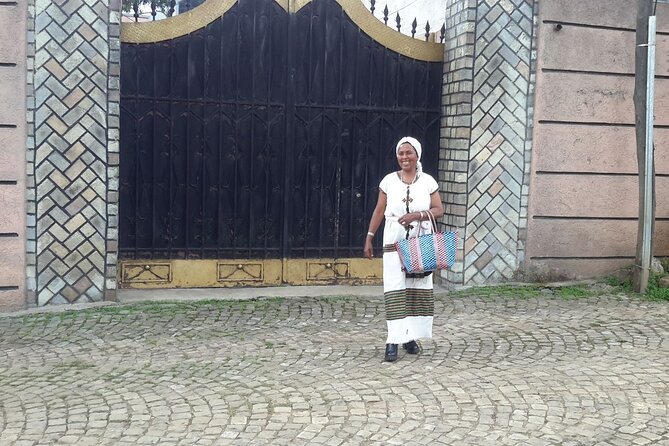
The location needs equal attention. Hilena’s home is in Sansusi, about 20 kilometers from Addis Ababa’s airport. That places it outside the most convenient central sightseeing area. Pickup is offered, which helps, but road conditions and city traffic can affect how much of your day the outing uses.
I would book this on a day with a flexible schedule. It can work well at the start or end of a visit if you have enough spare time, but I would not place it tightly beside a flight. The distance from the airport may look manageable on a map, yet city transfers can take longer than expected.
The booking pattern also suggests planning ahead. This activity is booked an average of 33 days in advance. That does not guarantee that every date sells out, but it is a good reason to reserve before your Addis Ababa visit is fully booked.
Who will get the most from this class
I would recommend the class to you if you enjoy meeting local people through food and prefer a private activity to a large group demonstration. Families can benefit from the hands-on format, and couples or friends can set the pace around their own questions and appetite.
It also suits visitors who want more than restaurant sampling. You see ingredients at a neighborhood market, learn how two dishes are made, and eat in the same home. That sequence offers more context than simply ordering an Ethiopian platter.
Vegetarians are welcome if they request the option in advance. People with allergies or other restrictions should also provide details before booking. Since the menu may vary by season, early notice gives the host a better chance to plan.
I would be more cautious if you need polished English instruction, a central location, or a tightly timed three-hour activity. The class is personal and informal, and translation is necessary. The outskirts location also means the transfer is part of the day, not just a minor detail.
Practical booking advice for Addis Ababa
Confirm the exact version of the booking if you want the market walk. Ask about the pickup point, the market timing, and whether the market visit is included in your chosen option.
Send dietary information when you reserve. Vegetarian food is available, but it must be requested in advance. The menu may change with the season, so ask about the planned dishes if a particular ingredient matters to you.
The activity accepts mobile tickets, offers pickup, and provides confirmation at booking. Most people can participate. Since it is private, only your group takes part in the activity, even though Hilena’s guest house may have other people staying there.
Cancellation is fairly firm near the date. You can receive a full refund if you cancel at least two full days before the start time. Cancellations or changes made within two days are not refunded or accepted, and the cut-off uses Addis Ababa local time.
Should you book this Ethiopian cooking class?
Book it if you want a personal home visit, a generous meal, and a market connection in one outing. Hilena’s family recipes, the Sansusi setting, and the help of her brother make this more personal than a standard cooking lesson.
The best reason to choose it is the complete chain from local ingredients to shared food. The main cautions are the $124 price, the home’s distance from central Addis Ababa, the possible need for translation, and the fact that the market visit may depend on the option you select.
For food-focused visitors with a flexible schedule, I think the class offers a meaningful look at Addis Ababa through its kitchens and markets. If you need a central, highly structured class in fluent English, choose with more care and confirm the details before paying.
FAQ
How long does the Ethiopian cooking class last?
The activity lasts approximately three hours. This can include the market visit, cooking, the shared meal, and Ethiopian coffee, depending on the option you book.
Where does the cooking class take place?
The class takes place in Hilena’s home kitchen in Sansusi, on the outskirts of Addis Ababa. Her home is about 20 kilometers from the airport.
Is hotel or airport pickup available?
Pickup is offered. The supplied information does not specify every pickup point, so confirm the arrangements when booking.
Is the cooking class private?
Yes. Only your own group participates in the private tour or activity. Hilena runs a guest house, so other people may be present at the property.
Is the Sansusi market visit included?
The market visit is available as an option. If you want to visit the market, confirm that you select the correct version when booking.
What can I expect to see at the market?
The neighborhood street-side market may have grains, vegetables, fruit, clothing, live chickens, and sheep. You may also buy vegetables and herbs for the cooking class.
Who teaches the cooking class?
Hilena, a native of Addis Ababa who has cooked since childhood, teaches the class. Her brother is present throughout to help translate because Hilena is not very fluent in English.
Can I request vegetarian food or report an allergy?
Yes. A vegetarian option is available. You should advise the provider about allergies, dietary restrictions, or cooking preferences when booking, and the menu may change with the season.
What is the cancellation policy?
You can receive a full refund if you cancel at least two full days before the experience starts. Cancellations or changes made less than two full days before the start time are not refunded or accepted.
Just added out of Addis Ababa
- Yod Abyssinia Cultural Night: Dinner, Music, and Dance★ 5.0 · 7 reviews
- Locally crafted beer and wine tasting and nightlife in Addis tour★ 5.0 · 6 reviews
- Stunning Views Wonchi Crater Lake a Private Day Trip★ 5.0 · 3 reviews
- Two days Lake Wenchi and Menagesha Forest★ 5.0 · 3 reviews
- Tribes of the Ethiopian Omo Valley – 9 Day Tour★ 5.0 · 5 reviews
- Addis Ababa City Tours Full-Day Tours★ 5.0 · 5 reviews
- 3-Day Cultural Tour in South Omo Valley★ 5.0 · 4 reviews
- Day Trip to Tiya UNESCO Site & Melka Kunture Archaeological Site★ 4.5 · 3 reviews
Cooking Classes, compared.
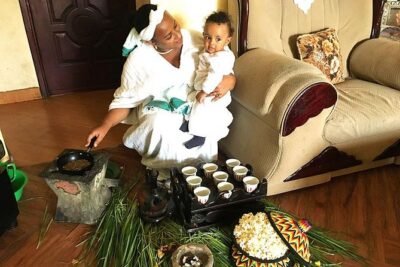
Market Tour and Cooking Class with a Coffee Ceremony at a Home in Addis Ababa
Read our review →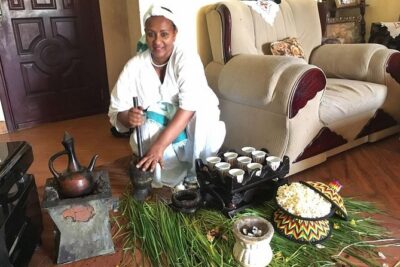
Ethiopian Cooking Class and Coffee Ceremony with a Local in Addis with transfers
Read our review →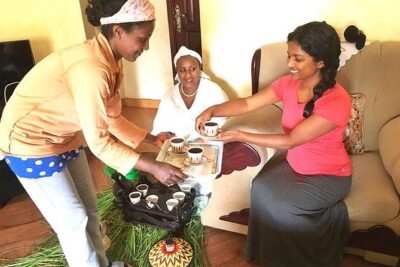
Unique Ethiopian Cooking Class and Coffee Ceremony with a Local in Addis Ababa
Read our review →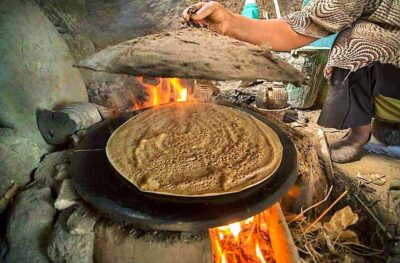
Browse the lists this tour appears in