

Reviewed · MARKETS
Addis Ababa +Mount Entoto View Point,Museums Palace Market Tours
Addis Ababa makes sense from above. At 3,200 meters, Mount Entoto gives you the city spread below, while eucalyptus trees, churches, and Menelik II’s former headquarters explain why this mountain helped shape the capital. From there, this half-day outing drops into museums, markets, monuments, coffee, and local food.
I like the mix of big historical sights and ordinary city life. You get Lucy at the National Museum, then handwoven cotton at Shiro Meda, a cup of Ethiopian coffee at Tomoca, and a chance to taste local honey. I also like the flexible pace and airport or hotel pickup, which make this a smart choice during a short Addis stay.
The main drawback is time. Four to six hours is enough for a useful introduction, not a slow examination of every site. Cloud and rain can also hide the Entoto view, and lunch, drinks, tips, and the $9 Entoto Park fee are extra.
Key points before you book
- Entoto reaches 3,200 meters: The high viewpoint can be cool, cloudy, or rainy, but on a clear day it gives one of Addis Ababa’s best city views.
- Menelik II’s former base adds context: The palace and Saint Mary’s connect the mountain to the founding of modern Addis Ababa.
- Shiro Meda is a practical shopping stop: Look for handwoven cotton clothes, scarves, tablecloths, jewelry, and small gifts, then bargain politely.
- Lucy anchors the museum visit: The National Museum offers an important look at human origins and pre-Axumite Ethiopia.
- Coffee is part of the culture, not just a quick drink: Tomoca offers Ethiopian coffee, macchiato, roasted beans, and ground coffee to take home.
- The price covers transport and many admissions: At $65.55 per person, the value is strongest if you need pickup, a guide, and several sights in one half-day.
Start above the city on Mount Entoto

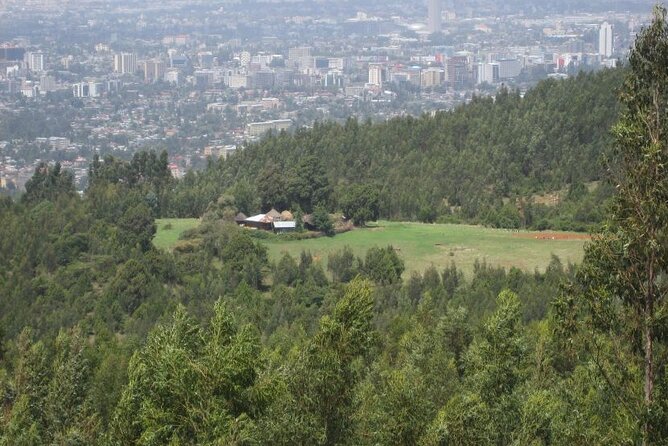
The drive up Entoto is one of the strongest parts of the day. You leave the city’s busy streets and climb through eucalyptus trees, homes, and small villages. The air changes with the height, and the road gives you a quick sense of how Addis Ababa sits below the mountain.
At about 3,200 meters, Entoto is often called the roof of Addis Ababa. On a clear day, you can look across the capital and toward the surrounding countryside. Clouds and rain can spoil the view, especially in the rainy season, so keep your expectations sensible. The mountain is worth visiting even when the panorama disappears because its churches, forest, and royal sites still give the stop substance.
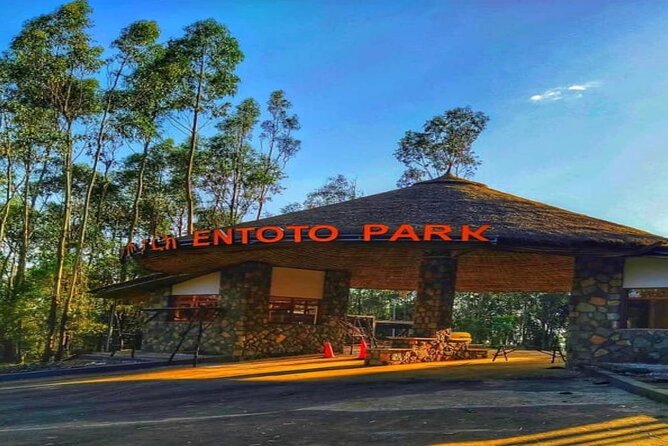
The visit to the main viewpoint is planned for about 35 minutes. That is enough for photographs and a short walk, but not enough for a long mountain outing. If you want to enter Entoto Park, allow for an extra $9 per person. That fee is not included, so clarify with your guide before entering.
The elevation also matters physically. Most people can take part, but you may notice the thin, cool air more than you expect. Walk at an easy pace, bring a light layer, and do not plan on racing between stops.
A few more trips from Addis Ababa worth a look
- Ethiopian Culinary Tour – Market, Food, Coffee Ceremony & more
★ 5.0 · 65 reviews - Go wheretheLocalsgo, Eatwhat thelocalseat!open Market&More Tours
★ 5.0 · 33 reviews - Market Tour and Cooking Class with a Coffee Ceremony at a Home in Addis Ababa
★ 5.0 · 32 reviews
See where Menelik II built his headquarters
Menelik II built his palace on Entoto after coming from Ankober and establishing Addis Ababa. The site is tied directly to the city’s early development, making it more useful than a palace visit viewed only as an old building.
The scheduled stop lasts about an hour. You can see the Menelik Museum and the palace area, with the guide providing the political and personal background that makes the mountain easier to understand. Admission to the palace and Menelik Museum is included in the tour price, as is the visit to Saint Mary’s Church.
Entoto is also regarded as a sacred mountain, with monasteries and important churches including Saint Mary’s and Saint Raguel. The eucalyptus forest is another part of the story. Trees introduced from Australia during Menelik II’s reign, and planted more widely during Haile Selassie’s time, now cover much of the mountain. The forest has long supplied Addis Ababa with firewood and building material.
That combination of royal history, religion, and daily use gives this stop more weight than a simple viewpoint. It also means you should dress respectfully around religious sites and follow your guide’s instructions about where photography is allowed.
Visit Saint Mary’s and connect the mountain to Ethiopian faith
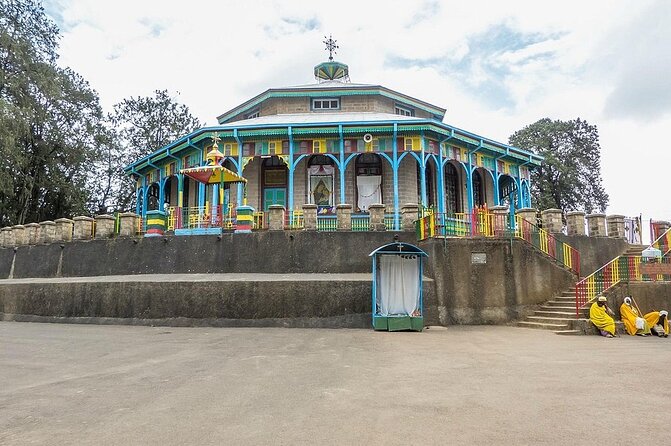
Saint Mary’s Cathedral, also known as Entoto Maryam, is located near the top of Entoto. The church and its museum add a religious and cultural layer to the palace visit. You are not just seeing where a ruler lived. You are seeing a sacred area that remains important to Ethiopian Orthodox tradition.
The church visit is included, and the museum is worth allowing time for if it is open during your visit. The supplied schedule groups the cathedral and museum with the Entoto portion, so your exact order may change. That flexibility is useful if traffic, weather, or opening times affect the day.
This is one place where a good guide matters. Yonas, named by several customers as the guide for their outings, is described as personable, engaging, and able to adjust the day to individual interests. The operator is Daily Addis Tours, and another guide may lead your departure.
Bargain for cotton goods at Shiro Meda Market
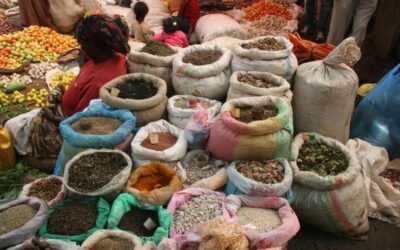
Shiro Meda, also spelled Chiromeda, is a local market near the US Embassy. It is particularly known for Ethiopian textiles, including handwoven cotton clothing, embroidered dresses, scarves, linens, bed covers, and tablecloths.
You get about 35 minutes here. That is a short stop, but it works if you already know what you want. The selection includes goods for women and men, along with necklaces, earrings, T-shirts, and other small presents. Colors and embroidery make the textiles easy to spot, but quality and prices vary, so take a moment to examine the weave and stitching.
Bargaining is normal here. Keep it friendly and realistic. If you find something you like, ask the seller for a final price rather than treating the exchange as a contest. You can buy a useful souvenir without spending time at a large shopping center.
The drawback is the limited time. If shopping is your main reason for booking, 35 minutes may feel rushed. If you see something worth buying, do not wait until the last minute, especially if you need to compare sizes or patterns.
Same starting point, a very different trip:
- Full Day Tour of Addis Ababa with Hotel Pickup and Drop-off
★ 5.0 · 430 reviews - Taste of Ethiopia
★ 5.0 · 406 reviews - Day Trip From Addis Ababa See Historical Monastery,Stunning Nature,Animals,Birds
★ 5.0 · 303 reviews - Addis Ababa: Debre Libanos, Blue Nile Gorge, and Cave Tour
★ 4.5 · 256 reviews
Meet Lucy at the National Museum of Ethiopia
The National Museum is the intellectual center of the outing. Its best-known object is Lucy, the 3.5-million-year-old fossil of Australopithecus afarensis. In Amharic, she is called Dinkinesh, meaning you are wonderful.
Lucy matters because the discovery changed the understanding of early human development. The fossil showed that an early human ancestor walked upright far earlier than many people had thought. Seeing the exhibit after visiting the mountain gives the day a useful shift from Ethiopia’s imperial past to the much older human story.
The museum also holds archaeological objects from pre-Axumite civilization. That makes the visit broader than a single famous fossil. You get a short look at Ethiopia’s early cultures, archaeological record, and national identity.
The planned museum visit lasts about 45 minutes. That is enough to see the main displays, but not enough for every room. If you are especially interested in archaeology, ask your guide to help you focus your time. Admission is included.
Pause for lunch and local flavor
Lunch is planned at the Addis Ababa Restaurant, but the meal is not included. The restaurant is described as being in downtown Silver Spring and decorated with Ethiopian cultural and historical images, including angels from Debra Birhan Selassie Church and a scene of the Queen of Sheba with King Solomon.
The stop lasts about 45 minutes. That gives you time for a proper meal, though not a long, relaxed restaurant visit. Budget separately for food and any drinks. Alcoholic drinks are also extra.
A traditional Ethiopian meal and coffee ceremony are highlighted as memorable parts of the day’s food experience. Since meal arrangements can vary, confirm with your guide what is planned on your date. Either way, this is a good point to try Ethiopian food rather than treating lunch as a generic break.
Addis Ababa means New Flower. The city was founded in 1886 and is home to more than five million people. Its population includes Amhara, Oromo, Gurage, Tigray, and other communities. A guide can add useful context here, especially if you want more than a quick list of dates and names.
Read the city’s difficult history at the monuments
Several brief monument stops fill out the city portion of the tour. They are short, but they help you see Addis Ababa as a capital shaped by monarchy, war, international politics, and tragedy.
The Tiglachin Memorial, also called the Derg Monument, honors Ethiopian and Cuban soldiers involved in the Ogaden War. It includes a central statue, a 50-meter pillar, wall reliefs, and areas showing portraits of Cuban soldiers. Some sculptures were given by North Korea in 1984 during the rule of Mengistu Haile Mariam.
The Yekatit 12 Monument at Sidist Kilo Square remembers the Italian war crime and pogrom that took place from February 19 to 21, 1937. The date is called Yekatit 12 in the Ethiopian calendar. The memorial is an obelisk in the center of the roundabout.
You also stop at the Lion of Judah, a symbol linked to the Ethiopian monarchy and Emperor Haile Selassie. Menelik II Square features an equestrian statue of the emperor and serves as a public gathering place during religious and national holidays.
These stops do not offer long visits. The Tiglachin Memorial and Lion of Judah are scheduled for about 20 and 15 minutes, and the other monuments are quick photo and explanation stops. Think of them as signposts in the city’s story, not full museum visits.
Taste coffee at historic Tomoca
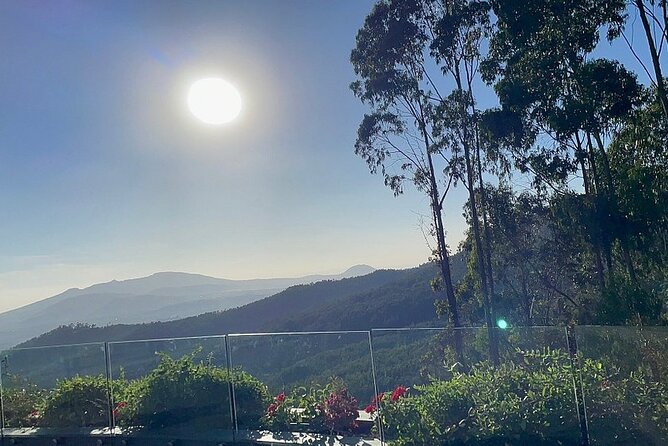
Tomoca Coffee gives the afternoon a pleasant sensory change. Ethiopia is famous for coffee, and at the shop you can order Ethiopian coffee or a macchiato. The smell of roasting coffee and burning frankincense is part of the appeal.
The stop lasts about 15 minutes, so it is brief. You can also buy roasted beans or ground coffee as a practical souvenir. If you prefer gifts you can use at home, coffee is more convenient than fragile crafts.
The coffee stop is especially valuable because it connects a famous Ethiopian product with an everyday Addis experience. It is not a long coffee ceremony by itself, but it can fit alongside the traditional ceremony associated with the meal, depending on the day’s arrangement.
Finish with Ethiopian honey in Bole
The last listed stop is Safi Honey, a shop in Bole around Flamingo, in front of the Hyatt Regency Hotel. It offers pure Ethiopian honey in several styles, including stronger and lighter flavors, raw honey, and infused varieties.
The stop takes about 10 minutes and admission is free. This is a simple shopping visit, but it gives you another local product to consider besides coffee and textiles. Ask the staff about the differences between the jars before buying, especially if you are choosing a gift.
Because this stop is short, it works best as an optional final taste and shopping stop rather than a major attraction. Your guide can help keep the schedule moving if you need to return to the airport or hotel.
Is $65.55 a fair price?
At $65.55 per person, this tour offers solid value if you want transport, a guide, airport or hotel pickup and drop-off, WiFi in the vehicle, and admission to the listed attractions. Menelik Palace, the Menelik Museum, Saint Mary’s, the viewpoint, and the National Museum are included.
The value is strongest for a solo visitor, someone on a short stopover, or anyone who does not want to arrange several city visits alone. A private-style schedule also makes the price easier to accept, although the maximum group size is 15 people, so do not assume the vehicle will always be private.
You still need to pay for lunch, alcoholic drinks, tips, and the $9 Entoto Park fee if you enter. Check the Entoto Park charge carefully because it is separate from the included viewpoint and site admissions.
The tour generally runs for four to six hours. Traffic and the number of stops can affect the final length, so leave a sensible buffer before a flight. Pickup is offered at the airport or hotel, which is particularly useful for a short Addis visit.
Free cancellation is available if you cancel at least 24 hours before the start time. Changes or cancellations inside that window are not accepted for a refund.
Who should book this Addis Ababa tour?
I would choose this outing if you want a broad first look at Addis Ababa without spending a full day on one museum or palace. It suits a solo visitor with limited time, a first visit, and anyone who values a guide who can explain the city rather than simply drive between stops.
It also works well for people interested in several sides of Ethiopia: royal history at Entoto, Orthodox religious sites, archaeology at the National Museum, shopping at Shiro Meda, coffee at Tomoca, and monuments from the country’s modern political past.
You may want something else if you dislike short stops, want serious time for shopping, or hope to explore Entoto Park on foot. Cloudy weather can also limit the mountain view. Still, the combination of included transport, multiple admissions, and a flexible schedule makes this a useful half-day introduction.
FAQ
How long does the Addis Ababa and Entoto tour last?
The experience lasts approximately four to six hours.
Does the tour offer hotel or airport pickup?
Yes. Airport and hotel pickup and drop-off are included.
Is lunch included in the price?
No. Lunch at the Addis Ababa Restaurant is not included, and alcoholic drinks are also extra.
Is the Entoto Park entrance fee included?
No. If you choose to enter Entoto Park, the listed fee is $9 per person.
What is included in the admission fees?
Admission to Menelik Palace, Saint Mary’s, the Menelik Museum, Mount Entoto viewpoints, and the listed attractions is included according to the tour details.
Can I shop for Ethiopian textiles?
Yes. The stop at Shiro Meda Market is intended for shopping for handwoven cotton clothing, scarves, linens, bed covers, tablecloths, jewelry, and other small gifts.
Who may guide the tour?
Daily Addis Tours provides the experience. Yonas is one of the named guides associated with the tour, but another guide may lead your visit.
How large can the group be?
The maximum group size is 15 people.
What is the cancellation policy?
You can cancel at least 24 hours before the experience starts for a full refund. Cancellations or changes made less than 24 hours before the start time are not accepted for a refund.
Just added out of Addis Ababa
- Yod Abyssinia Cultural Night: Dinner, Music, and Dance★ 5.0 · 7 reviews
- Locally crafted beer and wine tasting and nightlife in Addis tour★ 5.0 · 6 reviews
- Stunning Views Wonchi Crater Lake a Private Day Trip★ 5.0 · 3 reviews
- Two days Lake Wenchi and Menagesha Forest★ 5.0 · 3 reviews
- Tribes of the Ethiopian Omo Valley – 9 Day Tour★ 5.0 · 5 reviews
- Addis Ababa City Tours Full-Day Tours★ 5.0 · 5 reviews
- 3-Day Cultural Tour in South Omo Valley★ 5.0 · 4 reviews
- Day Trip to Tiya UNESCO Site & Melka Kunture Archaeological Site★ 4.5 · 3 reviews
Markets, compared.
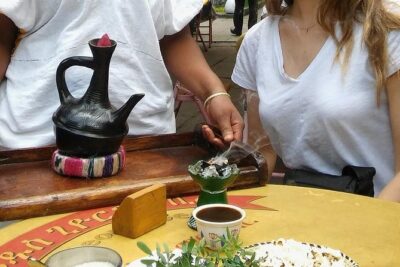
Ethiopian Culinary Tour – Market, Food, Coffee Ceremony & more
Read our review →
Go wheretheLocalsgo, Eatwhat thelocalseat!open Market&More Tours
Read our review →
Market Tour and Cooking Class with a Coffee Ceremony at a Home in Addis Ababa
Read our review →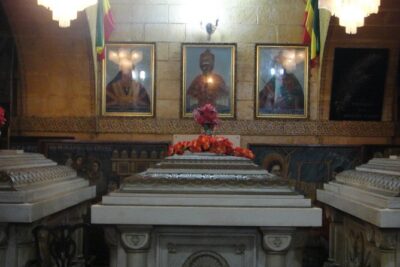
Browse the lists this tour appears in