
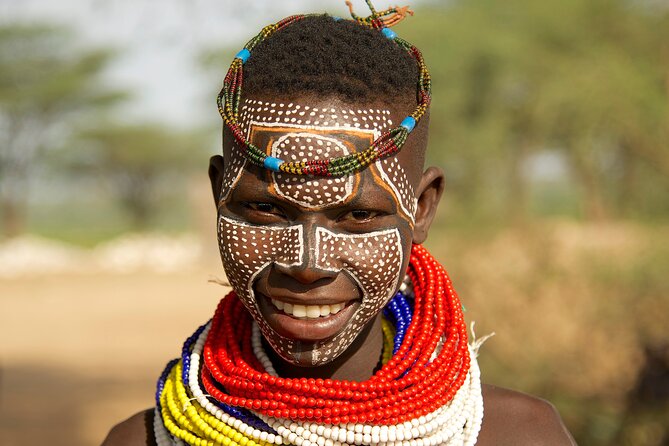
Reviewed · OMO VALLEY TRIBAL TOURS
Photography Expeditions to Omo Valley
The Omo Valley is one of the few places where a short trip can bring you face to face with so many distinct cultures. Over six days, you’ll photograph Mursi lip plates, Karo body painting, Hamer traditions, Dassanech hairstyles, Dorze homes, and wildlife along Lake Chamo. The cultural range is the main draw.
I like the private format for up to seven people, which gives your group more control over timing and camera work. I also like that the price includes domestic flights, meals, village entrance fees, and a photography fee rather than leaving the main costs scattered across the trip. The tradeoff is a demanding schedule with long drives, early starts, and several internal flights.
Key points
- Four Omo Valley communities: Visit Mursi, Hamer, Karo, and Dassanech villages, each with different clothing, hairstyles, painting, or adornment.
- Small private group: The tour is reserved for your party, with a maximum of seven people.
- Photography-focused planning: A photography fee, village entrances, private transport, and local guiding are included.
- Wildlife beyond portraits: Take a Lake Chamo boat trip for crocodiles, hippos, and water birds.
- Addis Ababa to Jinka and Arba Minch: Domestic flights save road time and make the six-day route possible.
- Flexible handling of problems: Mulugeta and the local team have experience adjusting plans when transport or timing changes arise.
Why the Omo Valley makes a strong photo trip
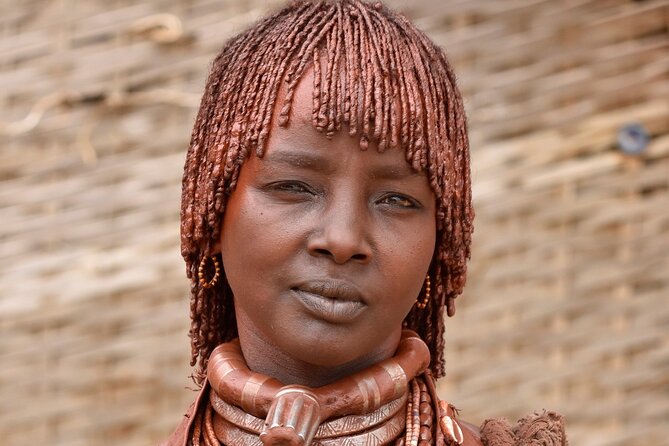
The Omo River Valley is compact on a map but remarkably varied in culture. At least 30 ethnolinguistic groups live in the wider region, and many communities have kept customs that changed little until recent decades.
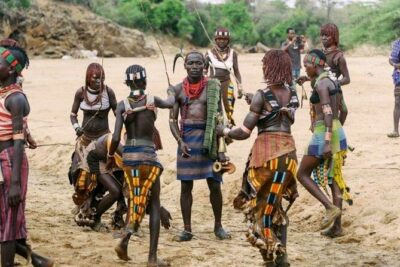
That makes this more than a portrait hunt. You’re seeing how people express identity through hair, clay, paint, scarification, clothing, and ceremony. The Mursi are widely known for their large lower-lip plates. The Karo use clay and plant pigments for striking body designs. Hamer women and men have their own visual traditions, while Dassanech clans are known for ornate hair buns.
Photography is clearly central to the trip. A specific photography fee is included, along with village entrance costs, so you are not left guessing about the main access charges. Still, a camera does not remove the need for care. Ask your guide how to approach people, when photography is welcome, and how fees work at each stop. The best images come with patience and respect, not simply a long lens.
This is also a region facing outside pressure. The cultures you photograph are living communities, not open-air museum displays. That distinction matters. You’ll get more from the experience if you pay attention to daily life and conversation rather than treating every unusual detail as a photograph first.
Other trips south from Addis Ababa:
- 6 Days Omo Valley Tribes Tours From Addis Ababa
★ 5.0 · 33 reviews - 3 Days Omo Valley Tour
★ 5.0 · 24 reviews - 6 Days Lalibela, Omo Valley and Harar
★ 5.0 · 15 reviews
Day 1: Addis Ababa, Jinka, and the Ari village
Your trip begins with pickup in Bole, Addis Ababa. After collecting you from the airport, the team may arrange time at the National Museum or Addis Ababa’s Merkato market before your afternoon flight to Jinka.
This first choice gives the trip some useful flexibility. If you have never visited Addis Ababa, the National Museum offers a cultural introduction, while Merkato gives you a busy first look at the capital. If you arrive tired or your flight timing is tight, the priority will be getting you to Jinka.
The flight is important because it replaces a much longer road journey. Once you land, your driver meets you and takes you to an Ari village. The first day is short compared with the following drives, but it gets you into the Omo region quickly.
Expect the schedule to depend on flight times and local conditions. The tour description gives about four hours for this day, though that includes transfers and the village visit rather than four full hours of photography. Your first evening is best used to settle into the rhythm of the south.
Day 2: Mursi highlands and the road to Turmi
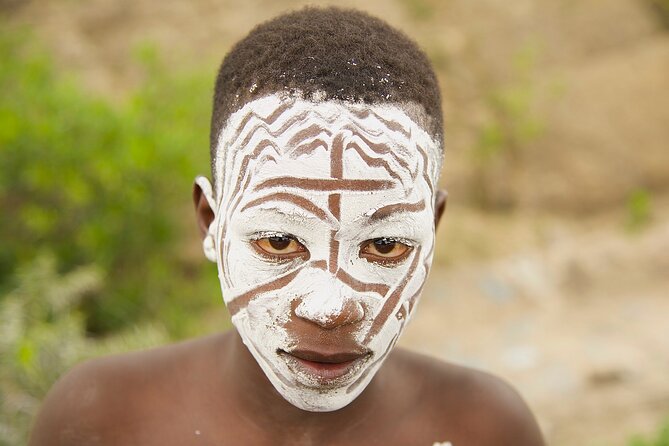
Day two is the most demanding day in the first half of the trip. You leave early for Mago National Park and continue into the Mursi highlands. The Mursi are especially known for women’s decorative lip plates, which have become one of Ethiopia’s most recognized cultural images.
The visual details are obvious, but the meaning is more personal and complex than a quick photograph suggests. The plates relate to beauty, pride, and desirability within Mursi tradition. Your guide’s role matters here, since the visit needs context as well as access.
After the Mursi visit, you return to Jinka for lunch, then continue toward Turmi through Dimeka. The drive may include a stop at Alduba market, depending on timing. Markets can add a useful sense of ordinary exchange to a day otherwise focused on formal village visits.
The route is listed at about seven hours, so plan for substantial time in the vehicle. That is the main drawback of this part of the tour. You gain access to the Mursi and Hamer areas, but the day is not leisurely. Keep camera equipment easy to reach, and expect dust, heat, and changing road conditions even though the vehicle is air-conditioned.
Day 3: Karo painting at Korcho
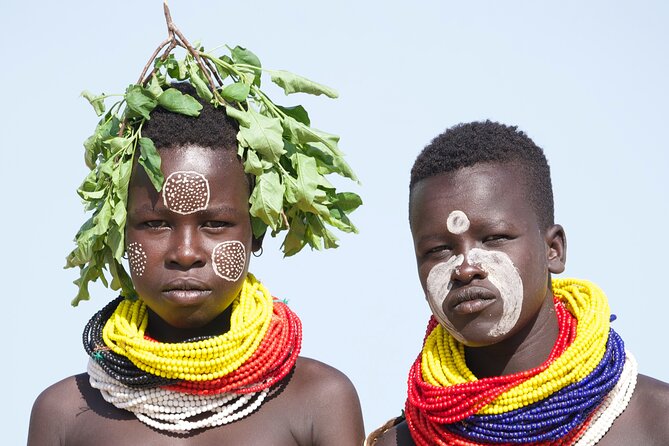
The Karo visit at Korcho is one of the strongest photography stops. Karo people are known for painting faces, chests, arms, and legs with clay and plant pigments. The patterns can be elaborate and graphic, with artists trying to create attractive designs for one another.
The tour description notes that these designs are made for aesthetic effect and enjoyment rather than one fixed symbolic meaning. That gives you a different kind of portrait session from the Mursi visit. Here, the paint itself becomes the subject: its texture, shapes, contrast, and relationship to the person wearing it.
Karo men may also shape and shave their hair into unusual forms. Some wear ochre hair caps decorated with ostrich feathers. These details reward close observation, so bring a lens that lets you frame both portraits and smaller elements.
The drive to and from Korcho takes about four hours. Back near Turmi, you may have a chance to photograph a bull-jumping rehearsal or ceremony. The wording matters: this is a possibility, not a guaranteed event. Do not book the trip solely for that one moment. Treat it as a valuable extra if local timing allows.
A few more trips from Addis Ababa worth a look
- 9 days Omo Valley Tribes and Photography Tour
★ 5.0 · 4 reviews
Day 4: Crossing the Omo River to the Dassanech
On day four, you rise early and drive toward the edge of the Omo River. You then cross by canoe to reach a Dassanech village. The crossing gives this day a different character from the road-based visits, although the canoe journey is part of the transfer rather than a separate scenic cruise.
The Dassanech are semi-nomadic and number about 40,000. Their clans extend across southern Ethiopia, Kenya, and Sudan. The group is particularly known for distinctive hair buns, which make for strong detail photographs and help show how varied personal style is across the valley.
After the village visit, you return to Turmi. The afternoon is set aside for rest or photography around town. That slower block is welcome after the early departure and river crossing. You can use it to sort images, recharge batteries, or photograph the local setting without the pressure of a full village program.
The day is listed at about four hours, but the early start may make it feel longer. Confirm the exact departure time with your guide, and keep essentials in a small day bag rather than buried in your main luggage.
Day 5: The road to Arba Minch and Lake Chamo
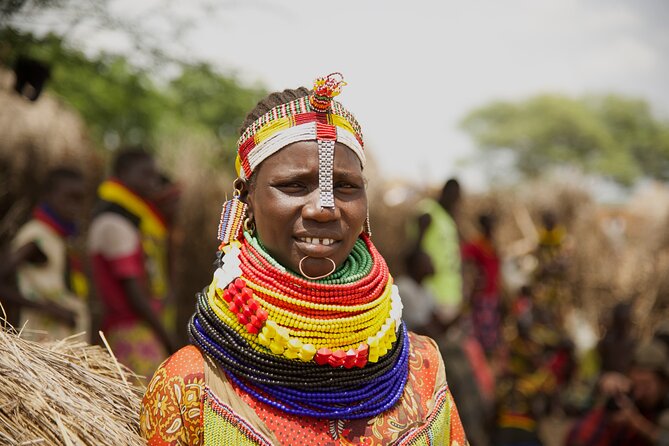
Day five shifts the focus from cultural photography to wildlife. You drive to Arba Minch, then head to Lake Chamo after 3 p.m. for a boat trip.
Lake Chamo is known for large crocodiles along its northern shores. You may also photograph hippos and water birds, including African fish eagles, flamingos, herons, storks, and kingfishers. This change of subject is useful if your main interest is wildlife photography, and it breaks up the series of village portraits.
The late-afternoon timing should offer a different quality of light, though the exact conditions will depend on the day. Keep a longer lens protected and ready, but do not expect every listed species to appear on every outing. The trip promises access to the lake and its wildlife, not a fixed animal checklist.
This is another road-heavy day, with about four hours allocated to the stop and transfer activity. The route also means that the tour covers a great deal of southern Ethiopia in a short period. If you prefer slow travel with long stays in one place, this schedule may feel rushed. If you want several distinct subjects in one trip, it works well.
Day 6: Dorze homes in the Guge Mountains
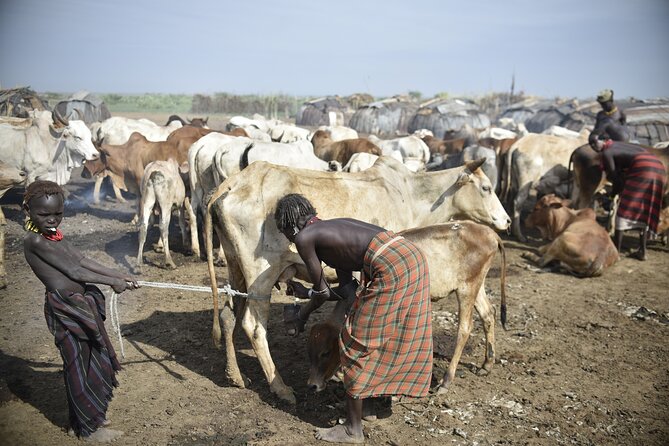
Your last full morning takes you about 40 kilometers northwest of Arba Minch into the Guge Mountains. The destination is the Dorze and Chencha area, known for woven cotton cloth and unusual beehive-shaped homes.
Dorze people were once warriors and now support themselves through farming and weaving. Their houses are built from organic materials and include small gardens with spices, cabbage, and tobacco. This visit gives you a chance to photograph architecture, household life, textiles, and mountain scenery rather than focusing only on individual portraits.
The Dorze stop also adds useful balance to the Omo Valley section. The trip is not only about highly recognizable adornment. It shows how homes, farming, weaving, and food production shape a community’s visual identity.
After lunch, you transfer to Arba Minch Airport and fly back to Addis Ababa. You arrive in the late afternoon and receive a hotel room for day use, allowing time to wash and change before departure. The final day is listed at about eight hours, so do not assume you will have a full free evening in Addis Ababa.
What the $3,312.83 group price covers
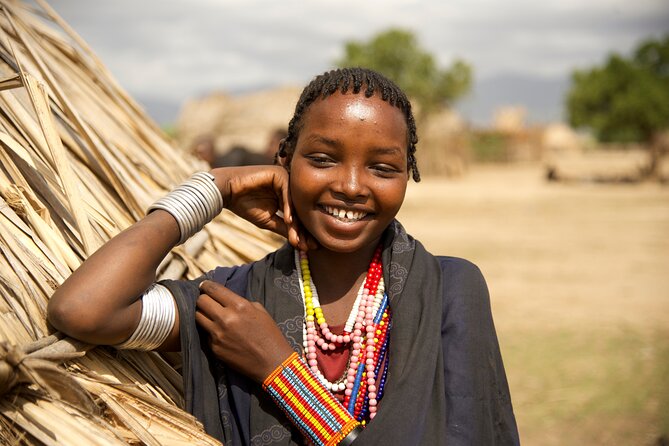
The price is listed as $3,312.83 per group for up to seven people, not per person. That distinction is important. A full group could bring the base cost to roughly $473 per person before personal expenses, tips, alcohol, visas, and international flights. A smaller group will pay more per person.
Included costs are substantial:
- Air-conditioned vehicle
- Village entrance fees
- Photography fee
- Five breakfasts
- Five lunches
- Five dinners
The domestic flights are part of the planned route, with flights from Addis Ababa to Jinka and from Arba Minch back to Addis Ababa. While the inclusion list does not separately spell out every flight cost, these flights are built into the six-day schedule, so confirm the exact fare coverage before paying.
The value is strongest for a group that wants a private vehicle and organized access across several remote areas. You are not paying only for sightseeing. You are paying for transport planning, local coordination, meals, village access, and a photography-centered program.
The price is less attractive if you are a solo visitor who would rather spend more time in one community. The route covers a lot of ground, and some of your budget goes toward moving between regions. For two to seven people with a shared interest in photography, the group structure makes more financial sense.
The practical realities of a six-day schedule
This is not a soft-paced holiday. You have early starts, long drives, domestic flights, canoe transport, and several visits where local timing affects what you can photograph.
The air-conditioned vehicle is a real comfort on the road. So is the private format, since only your group takes part. A maximum of seven people is small enough to keep camera equipment manageable and discussion direct, while still allowing the cost to be shared.
The program is marked as suitable for most people, but the schedule involves repeated transfers. If you have limited mobility, ask the provider for more detail before booking, especially about the canoe crossing, village walking, and vehicle access at each stop.
Mulugeta, also referred to in the supplied material as Mulle, is connected with the company’s trip planning, and a captain is also named in the strongest praise. The company is Ethiopian Photography Tours. Its planning role appears especially useful when flights, roads, or local timing create problems. Do not expect every time on the schedule to run like a train timetable. Flexibility is part of this region.
Free cancellation is available if you cancel at least 24 hours before the start time. Changes or cancellations inside that window are not accepted for a refund, and the tour may also be canceled if its minimum number is not reached.
Who will get the most from this Omo Valley trip
You are a good match if you want:
- Portrait and documentary photography in a private group
- A planned route through several southern Ethiopian communities
- A mix of culture, wildlife, village life, and architecture
- Local coordination rather than arranging every transfer yourself
- A short but packed trip with domestic flights
- The chance to share a group price with several companions
You may want a different plan if you dislike early departures, long drives, or a schedule that changes with local conditions. You should also think carefully about your photographic purpose. The communities are not props. Approach each visit with curiosity, follow your guide’s advice, and remember that a respectful encounter matters more than filling a memory card.
Should you book Photography Expeditions to Omo Valley?
Book it if your priority is efficient access to the southern region and a wide range of photographic subjects in six days. The Mursi, Karo, Hamer, and Dassanech visits give the trip its main strength, while Lake Chamo and the Dorze villages prevent the program from becoming a series of similar portrait stops.
The strongest value comes when you can fill several places in the private vehicle. You should also be comfortable with long drives, early mornings, and a little uncertainty around ceremonies and local timing.
For photographers who want an organized route, shared costs, and help from a company that has handled complicated logistics, this is a strong choice. For visitors seeking a slow, quiet cultural stay, the packed schedule may be too much. Ask detailed questions about photography etiquette, flight coverage, and daily departure times before you commit.
FAQ
Where does the tour start?
The tour starts in Bole, Addis Ababa, Ethiopia, with pickup offered.
Where does the tour end?
The activity ends back at the meeting point in Addis Ababa.
How long does the experience last?
The tour lasts approximately six days.
How many people can join the private tour?
The private tour is for your group only and allows up to seven people.
Which communities do you visit?
The route includes Ari, Mursi, Hamer, Karo, Dassanech, and Dorze communities, with a visit to Chencha villages also included on the final day.
Are domestic flights part of the route?
Yes. The schedule includes a flight from Addis Ababa to Jinka and a return flight from Arba Minch to Addis Ababa.
Is photography included in the price?
Yes. A photography fee and village entrance fees are included.
What meals are included?
Five breakfasts, five lunches, and five dinners are included.
Can I cancel for a full refund?
Yes, if you cancel at least 24 hours before the experience start time. Cancellations made less than 24 hours in advance are not refundable.
Just added out of Addis Ababa
- Yod Abyssinia Cultural Night: Dinner, Music, and Dance★ 5.0 · 7 reviews
- Locally crafted beer and wine tasting and nightlife in Addis tour★ 5.0 · 6 reviews
- Stunning Views Wonchi Crater Lake a Private Day Trip★ 5.0 · 3 reviews
- Addis Ababa City Tours Full-Day Tours★ 5.0 · 5 reviews
- Two days Lake Wenchi and Menagesha Forest★ 5.0 · 3 reviews
- Tribes of the Ethiopian Omo Valley – 9 Day Tour★ 5.0 · 5 reviews
- 3-Day Cultural Tour in South Omo Valley★ 5.0 · 4 reviews
- Day Trip to Tiya UNESCO Site & Melka Kunture Archaeological Site★ 4.5 · 3 reviews
Omo Valley Tribal Tours, compared.
Lalibela, Axum, Danakil and Omo Valley 8 DAYS
Read our review →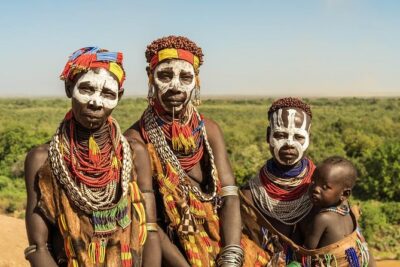

9 Days Tours To Danakil Depression, Simen MNP, Lalibela With Omo Valley Tribes
Read our review →
5 Day Private tour to the Omo Valley Tribes and Adventure Tour
Read our review →
8 Days Lalibela,Danakil Depression and Omo Vally Tours
Read our review →Browse the lists this tour appears in