
Reviewed · OMO VALLEY TRIBAL TOURS
9 days Omo Valley Tribes and Photography Tour
The striking part of this trip is its range: in nine days, you move from Lucy’s fossil remains and Addis Ababa’s huge Merkato to Mursi villages, Hamer country, crocodiles on Lake Chamo, and bamboo houses in Dorze. It is not a gentle sightseeing holiday. It is a close look at southern Ethiopia, with long road days and many changes of scene.
I like the way the tour mixes culture and nature. You get time with several Omo Valley communities, but also see birds, crocodiles, mountain roads, lakes, and city markets. I also like that the trip is private, with transport, lodging, meals, entrance fees, and one internal flight included.
The main drawback is the pace. Days of seven to ten hours on the road can be tiring, and the information does not name specific hotels, vehicle details, or a final price beyond a displayed $0.00. Confirm the real cost and exact arrangements before paying.
Key points to know before booking

- Six major cultural areas: Meet or visit communities connected with the Ari, Mursi, Hamer, Dassanech, Karo, Konso, Wolayta, Sidamo, and Dorze peoples.
- One internal flight: The trip flies from Addis Ababa to Jinka on Day 2, then continues mainly by private road transport.
- Photography is central: The schedule includes villages, markets, river scenes, wildlife, sunset views, and traditional buildings.
- Long driving days: The longest listed day is Day 9 at about ten hours, while Days 4, 5, 6, and 8 each run about seven to eight hours.
- Nature beyond the tribes: Lake Chamo brings Nile crocodiles and water birds, while Lake Hawassa and Lake Ziway add more birdlife and open-water views.
- Haile and Sycamore Ethiopia Tours: Haile is named in the trip feedback as the tour organizer, with repeated praise for personal care and service.
Why this Omo Valley route is different
Southern Ethiopia is not a single attraction. It is a large area where roads, villages, farming, rivers, markets, and wildlife all shape the trip. This route tries to show you several sides of it rather than spending all nine days in one valley.
You begin in Addis Ababa, fly to Jinka, travel south toward the Kenyan border, then turn north through Konso and Arba Minch before reaching Hawassa. That route gives you a broad view of the region, but it also means you spend a good part of the trip in a vehicle.
I would choose this tour if you want variety and a strong cultural focus. It suits you best if you are comfortable with basic road conditions, early starts, long transfers, and a schedule that may change with local conditions.
The photography angle is important. You will have opportunities to photograph people, homes, markets, river scenes, wildlife, and the changing terrain. At the same time, photography in communities calls for care. Ask before taking close portraits, listen to your guide, and treat village visits as meetings with people rather than a collection of photo subjects.
Other trips south from Addis Ababa:
- 6 Days Omo Valley Tribes Tours From Addis Ababa
★ 5.0 · 33 reviews - 3 Days Omo Valley Tour
★ 5.0 · 24 reviews - 5 Days Omo Valley Tours
★ 5.0 · 15 reviews
Addis Ababa opens the trip with Lucy and Merkato
Day 1 gives you a compact introduction to Ethiopia’s capital. The National Museum is the key stop, with the fossil remains of Lucy and displays covering Ethiopian culture and art. An hour here is enough for a focused visit, though it will feel short if museums are a major interest for you.
Next comes Entoto Natural Park, high above the city. The reward is the view over Addis Ababa and the surrounding hills. This is one of the better places on the route for getting your bearings, and it offers a calmer contrast to the city streets below.
The tour then visits Holy Trinity Cathedral, built by Emperor Haile Selassie in 1944. It is an important Ethiopian Orthodox Christian site and gives you a look at the country’s religious life and modern imperial past.
The final stop is Merkato, described as one of Africa’s largest open markets. You can expect a busy commercial district with many different sections and local businesses. Go with patience and stay close to your guide, since a market of this scale can feel confusing even when you are enjoying it.
This first day is well designed in one sense: museum, hilltop view, church, and market each show a different side of the capital. It is also a full introduction, so you may find the combination tiring after an international flight.
Flying to Jinka and meeting the Ari community

On Day 2, you fly from Addis Ababa to Jinka. The included flight saves a long overland journey and gets you quickly into the Omo Valley, where the focus shifts from national institutions to local communities.
The plan includes the Jinka Museum and a visit to an Ari village. The Ari are associated with the area around Jinka, and the village visit gives you an early look at daily life before the more remote sections of the route.
The schedule lists about three hours for this day’s activities. That makes it one of the lighter days physically, but the flight and local transfers still shape the day. Since only one flight is included, ask the operator to confirm the flight time, baggage allowance, and how the transfer from the airport will work.
Mursi villages and the road to Hamer country
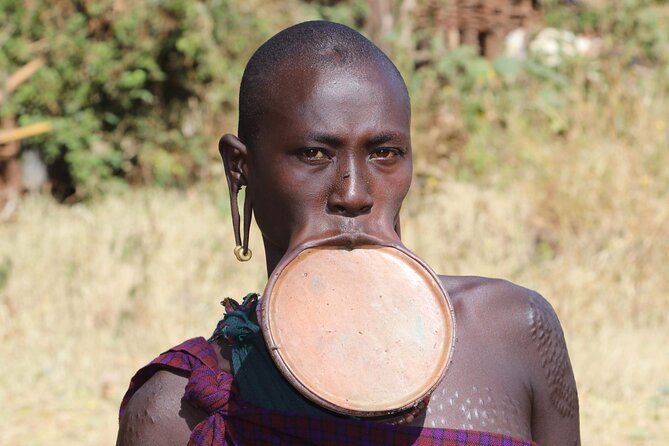
Day 3 is a major cultural day. You drive in the morning to Mago National Park to visit a Mursi village. The Mursi are widely known for the lip plates worn by some women, but the visit should be about more than a familiar visual symbol.
You will have the chance to see the village setting and learn about a community living in a demanding environment. Bring an open mind and follow local guidance about photographs and interaction. The Mursi stop can be powerful, but it also requires respectful behavior and realistic expectations.
In the afternoon, the route heads southwest toward Turmi, the main center for visits to Hamer communities. The listed duration is about seven hours, so much of the day is spent on the road. That is the price of reaching the lower Omo area, where distances between stops are large.
Turmi becomes your base for the next section. The value here is not a polished resort experience. It is the chance to use one place as a starting point for village visits, markets, and river country.
A few more trips from Addis Ababa worth a look
- Photography Expeditions to Omo Valley
★ 5.0 · 5 reviews
Omorate, the Dassanech, and the Omo River
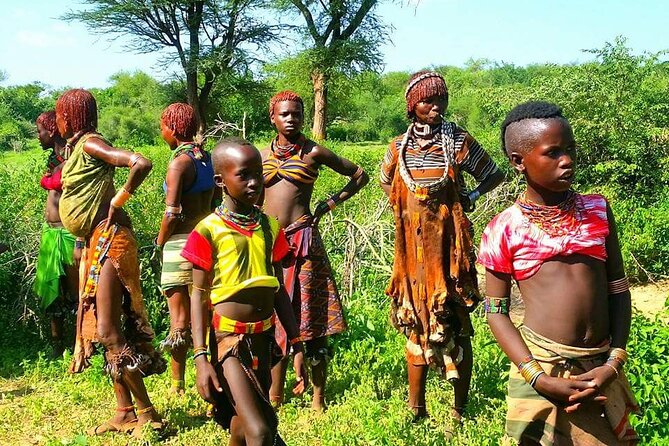
Day 4 takes you south to Omorate, close to the Ethiopian-Kenyan border. Here you visit Dassanech communities living near the Omo River, a setting that gives the day a strong geographic focus.
The route includes a local boat crossing or boat trip on the Omo River. The river continues toward Lake Turkana in Kenya, so this is more than a simple transfer. You get a sense of how the river connects communities and borders in this dry part of the region.
After returning to Turmi for lunch, the afternoon brings another Hamer village visit. The plan also includes a sunset, which should provide one of the more attractive photo settings on the trip. I would keep your camera ready, but not let the search for a perfect image distract from the village experience itself.
This day is about seven hours long. Heat, dust, rough roads, and repeated stops may test your energy. The included breakfast, lunch, and dinner help with logistics, but you should still confirm what drinking water is provided and carry enough for the day.
Karo country and the Dimeka market
Day 5 starts early with a drive to see the Karo people, who live near the Omo River. The Karo visit adds another community to the route and keeps the focus on river settlements and southern Ethiopia’s cultural variety.
You then return toward Turmi and continue north to Konso. On the way, the route stops at Dimeka, a Hamer town known for its large Saturday market. If your schedule lines up with Saturday, this may be one of the most useful places for seeing local trade rather than a village visit arranged around a short stop.
Markets show practical life: food, livestock, household items, clothing, and business between nearby communities. They can also be crowded and visually intense, so keep your belongings secure and ask before photographing people at close range.
The drive continues through Woyto and on to Konso, arriving late afternoon. This is an eight-hour day, and the change from the lower Omo to Konso makes it feel like a true travel day rather than a string of nearby stops.
Konso terraces and the road to Arba Minch
Konso is known for its terraced fields and distinctive villages. On Day 6, you visit the surrounding communities and the Konso Museum before lunch.
The terraces are one of the route’s clearest examples of how people have shaped the land for farming. They also give your photographs a different subject from the people-focused scenes of the Omo Valley. The museum adds context, which is useful after several village visits.
After lunch, you drive north to Arba Minch, the capital of the Gamo Zone. The day is listed at about eight hours, so the museum and village visits are followed by another substantial road transfer.
Arriving in Arba Minch late afternoon gives you some time to rest and enjoy the city’s views. This pause matters. By this point, you have had several early starts and long drives, and a quieter evening can help you enjoy the next day.
Lake Chamo crocodiles and Dorze bamboo houses
Day 7 combines wildlife with another distinctive cultural setting. You drive about 12 kilometers to Lake Chamo for a boat trip, where you may see large Nile crocodiles and aquatic birds.
The boat trip changes the rhythm of the tour. Instead of watching the road pass from a vehicle, you are on the water with a chance to observe animals and birds. Wildlife sightings are never guaranteed, but the lake gives you a different kind of photography opportunity from the villages.
After lunch in Arba Minch, you drive about 30 kilometers to Dorze village. Dorze homes are known for their traditional bamboo construction, and the area is also associated with weaving. This visit gives you a look at skilled local work and household design.
You return to Arba Minch at the end of the day. The listed duration is seven hours, which makes this one of the more balanced days. It still has several moving parts, but the shorter distances allow more time for the actual stops.
Hawassa, lake views, and the return north
Day 8 covers about 272 kilometers to Hawassa, also written as Awasa. The route passes through green mountain country and includes a stop near Sodo to see Wolayta and Sidamo communities.
This is another long road day, listed at about seven hours. The scenery is part of the experience, but you should not assume every stretch will be a formal sightseeing stop. Much of the value comes from seeing how the terrain and settlements change as you move north.
In Hawassa, the afternoon is devoted to the lake and highlights of the city. After the remote roads of the Omo Valley, a larger town and lakeside setting can feel like a welcome change.
The contrast is useful: you see that southern Ethiopia is not defined only by isolated villages. It includes market towns, regional centers, farmland, lakes, and busy urban life.
Lake Ziway, the fish market, and Addis Ababa
The final day begins with Hawassa’s fish market. This is a practical, local scene rather than a formal attraction, and it can be one of the most memorable stops for photography if you enjoy working in places where people are buying and selling food.
You then drive back to Addis Ababa, stopping near Lake Ziway to see birds. The ten-hour schedule makes this the longest day, so expect a late arrival and limited flexibility.
Back in Addis, the trip includes a welfare program in the evening before your airport transfer. The phrase is not explained in the supplied details, so ask the operator what this program involves and how much time it takes. Also confirm your departure flight time, since a long road journey on the final day leaves little room for delay.
What the price and inclusions mean
The listed price is $0.00, which is not a usable final price for a nine-day private tour. You should request a written quotation before booking, including the cost per person, room arrangements, flight details, and any seasonal changes.
The stated inclusions cover private transport, accommodation, taxes and fees, one flight per person, and nine breakfasts, nine lunches, and nine dinners. That is a substantial package. If the quoted price is reasonable, bundling these essentials can save you the trouble of arranging separate hotels, drivers, meals, and regional transport.
Visa fees and international airfare are excluded. Alcoholic drinks and tips are also extra. Tips are described as gratitude, so ask whether there is a suggested amount for the driver, guide, boat crew, and other local staff.
The private format has real value. Your group travels on its own rather than joining a large coach, which should make it easier to adjust the pace, ask questions, and spend more time at a stop when conditions allow.
Comfort, fitness, and practical limits
You need a moderate level of physical fitness for this trip. The biggest challenge is not a demanding hike listed in the schedule. It is the combination of early starts, heat, rough or lengthy drives, village walking, boat travel, and several days in a row on the move.
The tour is not recommended for people with health problems. Service animals are allowed, and the route is near public transport in some places, but this is still a private road tour through remote areas. Do not assume that medical help or comfortable rest stops will be close by.
The schedule says admission tickets are included or free at the listed stops. That helps keep your day-to-day spending predictable. I would still carry small amounts of local currency for personal purchases, market items, drinks, and tips, though the exact payment arrangements are not provided.
The cancellation terms are strict inside three full days of departure. Cancel at least three full days before the start for a full refund. Changes made within that period are not accepted, and poor weather may lead to a new date or a full refund.
Is this the right tour for you?
Book this tour if you want a concentrated introduction to southern Ethiopia, especially if your priorities are cultural visits, photography, local markets, wildlife, and changing scenery. The route covers a lot, and the private setup gives you more personal attention than a large group trip.
I would be cautious if you dislike long drives, want a slow schedule, or need clearly specified hotel and vehicle standards before booking. The displayed price must also be clarified, and you should ask for the full day-by-day cost, lodging names, flight details, and photography guidance.
The strongest reason to consider it is the range: Mursi, Hamer, Dassanech, Karo, Konso, Dorze, Addis Ababa, Lake Chamo, Hawassa, and Lake Ziway all appear within nine days. The strongest reason to hesitate is the pace. If you accept that trade-off and confirm the missing practical details, Sycamore Ethiopia Tours offers a focused way to see a part of Ethiopia that is difficult to arrange independently.
FAQ
How long is the Omo Valley photography tour?
The tour lasts approximately nine days and includes eight nights.
Where does the tour start and finish?
It starts in Addis Ababa, travels through southern Ethiopia, and returns to Addis Ababa for the final airport transfer.
Is pickup offered?
Yes. Pickup is offered as part of the experience.
Is this a private tour?
Yes. Only your group participates in the private activity.
Is a flight included?
Yes. One flight per person is included. The itinerary uses it to fly from Addis Ababa to Jinka on Day 2.
Which meals are included?
Nine breakfasts, nine lunches, and nine dinners are included. Alcoholic drinks are not included.
Which communities are included in the route?
The route includes visits connected with the Ari, Mursi, Hamer, Dassanech, Karo, Konso, Wolayta, Sidamo, and Dorze communities.
What level of fitness is required?
A moderate level of physical fitness is required. The tour is not recommended for people with health problems.
What is the cancellation policy?
You receive a full refund if you cancel at least three full days before the experience begins. Cancellations or changes made within three full days are not refunded or accepted.
Just added out of Addis Ababa
- Yod Abyssinia Cultural Night: Dinner, Music, and Dance★ 5.0 · 7 reviews
- Locally crafted beer and wine tasting and nightlife in Addis tour★ 5.0 · 6 reviews
- Stunning Views Wonchi Crater Lake a Private Day Trip★ 5.0 · 3 reviews
- Two days Lake Wenchi and Menagesha Forest★ 5.0 · 3 reviews
- Tribes of the Ethiopian Omo Valley – 9 Day Tour★ 5.0 · 5 reviews
- Addis Ababa City Tours Full-Day Tours★ 5.0 · 5 reviews
- 3-Day Cultural Tour in South Omo Valley★ 5.0 · 4 reviews
- Day Trip to Tiya UNESCO Site & Melka Kunture Archaeological Site★ 4.5 · 3 reviews
Omo Valley Tribal Tours, compared.
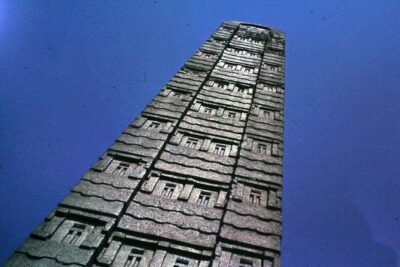
Lalibela, Axum, Danakil and Omo Valley 8 DAYS
Read our review →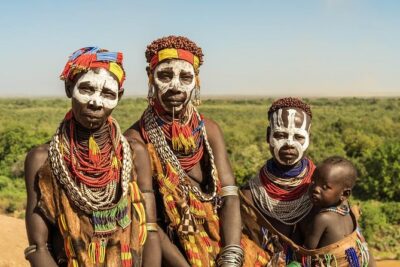
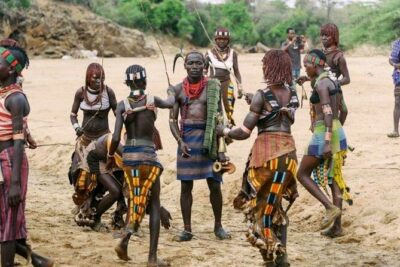
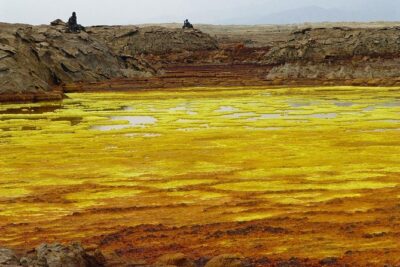


9 Days Tours To Danakil Depression, Simen MNP, Lalibela With Omo Valley Tribes
Read our review →
5 Day Private tour to the Omo Valley Tribes and Adventure Tour
Read our review →
8 Days Lalibela,Danakil Depression and Omo Vally Tours
Read our review →Browse the lists this tour appears in