
Reviewed · OMO VALLEY TRIBAL TOURS
Private Omo Valley Tours From Addis Ababa
The most striking part of this tour is how quickly Ethiopia changes once you leave Addis Ababa. In seven long days, you move from Lake Chamo and the Doreze highlands to the dry Omo Valley, where Mursi, Hamer, Karo, and Dassanech communities follow distinct traditions. I especially like the private format, which gives you room to stop, ask questions, and shape the pace around photography or local markets. I also like the mix of wildlife, villages, and UNESCO sites rather than a trip focused only on tribal visits.
The main drawback is the amount of time spent on the road. Several days run six to eight hours, and rougher routes in the Omo Valley can be tiring. The description also calls the experience both seven days and 13 days, so confirm the exact schedule before paying. Guides named in past arrangements include Niko, Firew, Barch, Marko, Amanuel, Alex, Shahsa, and Sam.
Key points to know before booking
- Lake Chamo begins the southern journey: Look for Nile crocodiles, hippos, and water birds from a boat.
- Four Omo Valley communities feature prominently: The route includes Mursi, Hamer, Karo, and Dassanech areas, plus Doreze, Bana, and Ari communities.
- The itinerary is road-heavy: Expect roughly four to eight hours of driving on most touring days.
- UNESCO sites add useful context: Konso and Tiya show Ethiopia beyond village visits and wildlife.
- Private travel suits photographers and solo visitors: The company has arranged custom trips for photographers, including with guides such as Niko and Amanuel.
- The final evening is cultural rather than scenic: You return to Addis Ababa for Ethiopian food, dancing, coffee, and airport transfer.
Why this route feels different from a standard Ethiopia tour
I like this trip because it does not treat the Omo Valley as a single attraction. You see several communities, each with different clothing, architecture, farming or pastoral traditions, and forms of body decoration. The route also includes places that give the trip more balance: Lake Chamo, Mago National Park, Konso, Tiya, and an evening of music and food in Addis Ababa.
The private setup matters here. A group of up to 15 people is allowed, but the experience is described as a private tour for you and your party. That should give you more control than a fixed coach trip. If you are a photographer, ask in advance about time at villages, market days, and the guide assigned to you. Previous arrangements have involved Niko, Firew, Barch, Marko, Amanuel, Alex, Shahsa, and Sam, but the specific guide is not guaranteed.
You should also set realistic expectations. This is not a gentle sightseeing holiday. The first day is about eight hours, and the route continues with several long drives. Roads and weather can affect timing, and the tour operates in all conditions. The reward is access to remote areas, but you need patience, sensible clothing, and a moderate level of fitness.
Other trips south from Addis Ababa:
- 6 Days Omo Valley Tribes Tours From Addis Ababa
★ 5.0 · 33 reviews - 3 Days Omo Valley Tour
★ 5.0 · 24 reviews - 6 Days Lalibela, Omo Valley and Harar
★ 5.0 · 15 reviews
Day 1: Addis Ababa to Arba Minch and Doreze
The tour begins with a 7:00 am pickup at Bole Airport in Addis Ababa. The first major destination is Arba Minch, with a stop at Doreze on the way. This is a full day of driving, listed at about eight hours, so you should expect the road itself to be part of the experience.
Doreze is known for weaving and for its distinctive house design, shaped to resemble an elephant. The design is tied to local memory of elephants in the area. You also learn about enset, sometimes called false banana, which is a staple food for the Doreze people.
This is a useful opening day because it introduces daily life through food, craft, and architecture rather than starting with a quick photo stop. If you are interested in textiles, ask your guide to explain how the woven shammas are made and used. The schedule does not list an admission charge for this stop, but local visits can involve customary payments or photography fees, so carry small cash and ask before taking pictures.
You spend the night in Arba Minch. Accommodation is described as part of the all-inclusive arrangement, but the supplied details do not name the hotels. Confirm the lodging standard before booking if that matters to you.
Day 2: Lake Chamo, Bana, Ari, and Jinka
The second day starts with a boat trip on Lake Chamo, described as Ethiopia’s third-largest lake. This is one of the best changes of pace in the itinerary. After a long drive on day one, you are on the water looking for Nile crocodiles, hippos, and water birds.
Wildlife sightings are never guaranteed, but the boat ride gives the morning a clear focus. It also lets you see the area from a different angle instead of spending every hour in the vehicle. Bring sun protection and keep your camera ready, but follow the guide’s instructions around the animals.
The route then continues toward Bana communities. The Bana are described as pastoral and semi-nomadic people living in the dry lower Omo Valley. Men may wear colorful clay caps decorated with feathers, a detail that helps you understand how appearance and identity can be connected to local custom.
Later, you visit the Ari people, the largest population in the lower Omo Valley. Ari women are known for pottery and for skirts made from enset fiber. These encounters are more meaningful when your guide explains what you are seeing instead of reducing each stop to a costume display. Ask questions about work, food, and family life, and remember that people are not scenery.
You finish in Jinka after about seven hours of touring and driving. Jinka is a practical base for Mago National Park and the villages farther south.
Day 3: Mago National Park and the Mursi

Day three takes you into Mago National Park to visit a Mursi village. The Mursi are known for low huts made from straw and leaves, as well as distinctive lip and ear ornaments worn by some women. The tour description presents these details plainly, but you should treat them with care. Customs that may look unusual to an outsider are part of a living culture, not a performance created for a camera.
This is also the day when photography etiquette matters most. Ask permission before photographing anyone, listen to your guide, and clarify any payment expectations before you begin. A private guide can help you handle these moments with more respect and less confusion.
You return to Jinka for lunch, then continue to Turmi, home base for the Hamer portion of the route. The day is listed at about six hours, though road conditions and time spent in the village can affect the schedule.
The Mago visit is included, which is useful because entrance costs and local arrangements can otherwise add up. Still, the word all-inclusive should not make you assume that every personal expense is covered. Confirm what is included for village photography, drinks, tips, and optional purchases.
A few more trips from Addis Ababa worth a look
- Full-Day Private City Tour of Addis Ababa
★ 5.0 · 147 reviews - Addis Ababa Authentic Private City Tour
★ 5.0 · 134 reviews - 2 Days Private Tour in Addis Ababa Ethiopia
★ 5.0 · 36 reviews - Full Day Private City Tour Of Addis Ababa
★ 5.0 · 36 reviews
Day 4: Karo country near Murulle

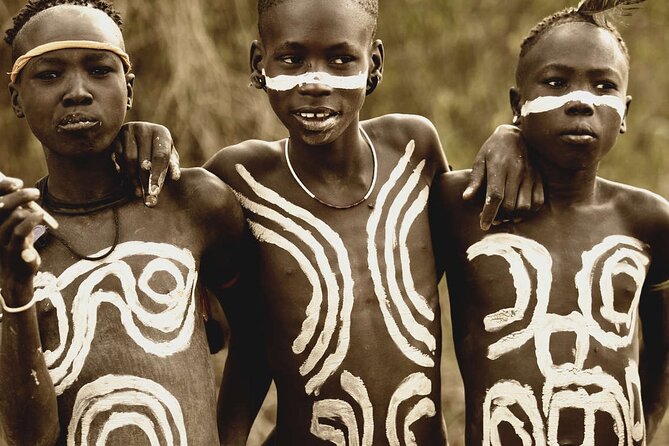
From Turmi, the route heads toward Murulle to visit the Karo people. Karo body and face painting is one of the most recognizable features of this part of Ethiopia. White chalk patterns may be used when preparing for a ceremony, and scars can carry meaning connected to beauty, courage, or a person’s past actions.
The value of this stop depends heavily on the guide and on timing. If a ceremony is not taking place, you may see examples of decoration and learn about its purpose, but you should not expect a staged event. The schedule does not promise a particular ceremony.
You return to Turmi after a day listed at six hours. This is one of the simpler overnight patterns on the route because you sleep in the same place rather than packing every night. That makes Turmi a useful pause in a demanding journey.
The Omo Valley route is particularly suited to travelers who want more than a quick look from a vehicle. Past custom trips have been adjusted for photographers, and guides such as Niko and Amanuel have been praised for helping shape the trip around personal interests. Ask before departure how much freedom you will have to spend longer at a village or return to a market.
Day 5: Omorate and the Dassanech
Day five reaches Omorate, where you visit the Dassanech people, described as the people of the delta. They live near the northern shore of Lake Turkana, in one of the driest parts of the journey.
The setting makes this a strong contrast with the greener areas around Arba Minch and Lake Chamo. You see how people adapt to a difficult environment, and the stop gives the Omo Valley route a clear geographic finish before the journey turns north toward Konso.
This is another long excursion, listed at about six hours, followed by the drive toward Konso. You should expect heat, dust, and a fairly basic touring rhythm. Wear practical clothing, keep water close, and protect camera equipment from dust.
The Dassanech visit is included in the itinerary, but the description does not specify the exact village, guide arrangement, or length of time on foot. Ask for those details if they are important to you. Local conditions can change the plan.
Day 6: Konso and the road toward Welayta Sodo
Konso brings a different kind of cultural experience. The area is a UNESCO World Heritage site, best known for its carefully built terraces. The terraces show how people have organized farming on steep ground over generations. This is a good place to slow down and notice how land use, settlement, and food production fit together.
Konso is also known for producing some of Ethiopia’s best coffee. If coffee matters to you, ask whether there is time to learn about local production or taste it during the stop. The listed schedule is only about four hours, but the day includes onward travel toward Welayta Sodo.
The route description has a small wording problem: it says the journey passes through Konso while also referring to travel toward Jinka, even though earlier days already place you in Jinka and Turmi. Treat the published schedule as a broad outline rather than a minute-by-minute plan. Confirm the actual overnight stop, driving order, and hotel before booking.
This is also where the tour shows its broader value. You are not only collecting photographs of communities. You are seeing a UNESCO cultural site and a major farming tradition, which gives the Omo Valley visits more context.
Day 7: Tiya, Addis Ababa, and a traditional dinner

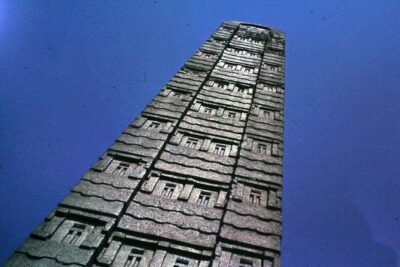
The final touring day takes you back toward Addis Ababa, with a stop in Butajira and a visit to Tiya. Tiya is a UNESCO-listed site known for its carved stone stelae. The stop is relatively brief in the published schedule, about six hours for the day, but it gives you one last look at Ethiopia’s archaeological heritage.
You should arrive in Addis Ababa in the early evening. The final dinner includes several national dishes, dances from different Ethiopian ethnic groups, and a traditional coffee ceremony. It is a lively way to close the trip, and the coffee ceremony is especially useful if you have not experienced one earlier in your stay.
After dinner, you are transferred to the airport for departure. That timing is convenient, but check your flight schedule carefully. The tour does not state how much spare time is built in before departure, so do not assume that a late dinner works with an early flight.
What the $1,890 price really covers
At $1,890 per person, the price is substantial for a seven-day land tour, but the route covers a large part of southern Ethiopia and includes private transport, guiding, meals, park access, and cultural stops. On a seven-day schedule, the headline price works out to about $270 per person per day before considering the value of a private vehicle and guide.
The tour includes six breakfasts, six lunches, and dinner, along with landing and facility fees. The overview describes the trip as all-inclusive with lodging, activities, and transit, but the detailed inclusion list is not equally specific about hotels, drinks, village photography fees, or tips. I would ask for a written list before booking.
The biggest value is convenience. The Omo Valley is not a simple route to arrange independently, and a private driver-guide helps connect the remote stops. The price makes more sense if you value a flexible schedule, private transport, and help with local communication.
The seven-day and 13-day descriptions must be resolved. The detailed itinerary has seven days, while the overview calls it a 13-day tour. If the actual trip is 13 days, the daily value looks very different and the missing days need to be explained. Do not rely on the headline alone.
Guides, group size, and the practical side of the trip
The tour allows a maximum of 15 people, but it is promoted as private travel for your own party. Ask whether the vehicle and guide are exclusive to you. The distinction matters, especially if you want extra time for photography or prefer a quiet ride.
The company works with multilingual guides. Specific names connected with previous arrangements include Barch, Firew, Niko, Marko, Amanuel, Alex, Shahsa, and Sam. You can request a particular guide, but availability is not guaranteed.
The tour requires a moderate level of fitness. You may spend long hours seated, get in and out of a vehicle on uneven ground, walk through villages, and cope with heat and dust. The formal dress requirement is unusual for a rural route, so ask what clothing is expected at each stop. In general, modest, breathable clothing and sturdy footwear are sensible.
Food planning is straightforward. Vegetarian meals are available if requested when booking, and you should provide any dietary requirements in advance. Service animals are allowed, though the remote route may still require careful planning.
The cancellation terms are flexible up to 24 hours before the start time for a full refund. Changes made inside that window are not accepted, and the company may offer a new date or a refund if minimum numbers are not met.
Who should book this Omo Valley itinerary?
I would choose this trip if you want a broad introduction to southern Ethiopia and prefer someone else to manage the difficult road connections. It suits solo visitors who want a private arrangement, photographers who need a flexible guide, and people who want culture, wildlife, archaeology, and food in one route.
I would think twice if you dislike long drives, need fixed hotel standards, or want slow village visits with lots of free time. The schedule is ambitious, and the remote setting means plans can shift.
You should also book with cultural respect in mind. The communities are not a theme park. Ask before taking photographs, pay agreed fees clearly, and let your guide explain local customs without turning people into curiosities.
Should you book it?
Book this tour if your priority is access to a wide range of southern Ethiopia with private transport and a guide who can help you navigate village visits. Lake Chamo, Mago National Park, Konso, Tiya, and the four main Omo Valley communities give the route real variety.
Before you commit, get three points confirmed in writing: the true duration, the exact inclusions, and the guide and vehicle arrangement. If the trip is seven days at $1,890, it is an intensive but useful introduction. If it is 13 days, ask for the missing itinerary. That simple check will tell you whether the price and pace fit your plans.
FAQ
Where does the tour start?
The tour starts at Bole Airport in Addis Ababa, Ethiopia, with pickup scheduled for 7:00 am.
How long does the tour last?
The detailed day-by-day schedule covers seven days, but another description calls it a 13-day tour. Confirm the correct duration with Aman Ethiopia Tours and Travel Agent before booking.
What is the price?
The listed price is $1,890 per person.
Is the tour private?
It is described as a private tour for you and your own party, with a maximum group size of 15 people. Confirm whether the vehicle and guide are exclusive to your group.
Which communities are included?
The route includes Doreze, Bana, Ari, Mursi, Hamer, Karo, and Dassanech communities.
Which UNESCO sites are visited?
The itinerary includes Konso and Tiya, both listed as UNESCO World Heritage sites in the supplied tour details.
Are meals included?
Six breakfasts, six lunches, and dinner are included. Vegetarian meals are available if requested at the time of booking.
What fitness level is required?
A moderate level of physical fitness is recommended. The tour includes long drives and village visits, and it operates in all weather conditions.
Can I cancel for a full refund?
You can cancel at least 24 hours before the start time for a full refund. Cancellations or changes made less than 24 hours before the start time are not refunded or accepted.
Just added out of Addis Ababa
- Yod Abyssinia Cultural Night: Dinner, Music, and Dance★ 5.0 · 7 reviews
- Locally crafted beer and wine tasting and nightlife in Addis tour★ 5.0 · 6 reviews
- Stunning Views Wonchi Crater Lake a Private Day Trip★ 5.0 · 3 reviews
- Addis Ababa City Tours Full-Day Tours★ 5.0 · 5 reviews
- Two days Lake Wenchi and Menagesha Forest★ 5.0 · 3 reviews
- Tribes of the Ethiopian Omo Valley – 9 Day Tour★ 5.0 · 5 reviews
- 3-Day Cultural Tour in South Omo Valley★ 5.0 · 4 reviews
- Day Trip to Tiya UNESCO Site & Melka Kunture Archaeological Site★ 4.5 · 3 reviews
Omo Valley Tribal Tours, compared.
Lalibela, Axum, Danakil and Omo Valley 8 DAYS
Read our review →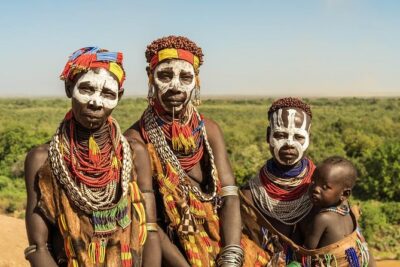

9 Days Tours To Danakil Depression, Simen MNP, Lalibela With Omo Valley Tribes
Read our review →
5 Day Private tour to the Omo Valley Tribes and Adventure Tour
Read our review →
8 Days Lalibela,Danakil Depression and Omo Vally Tours
Read our review →
Browse the lists this tour appears in