

Reviewed · OMO VALLEY TRIBAL TOURS
5 Day Private tour to the Omo Valley Tribes and Adventure Tour
The Omo Valley is not a place you simply sightsee. You move between communities with distinct homes, clothing, ceremonies and ways of life, while the road passes through some of southern Ethiopia’s most striking scenery. This private tour covers a lot in five days, from Dorze’s elephant-shaped huts to Mursi villages near Mago National Park.
I like the personal feel of a private vehicle and the chance to adjust attention between cultural visits, wildlife and photography. I also like that the route includes a boat ride on Lake Chamo and a wooden-boat crossing of the Omo River, rather than treating the valley as a string of roadside stops. The main drawback is the pace: long drives, early starts and limited time at several places can make this feel more like an introduction than a complete study of the region.
Key points to know before booking
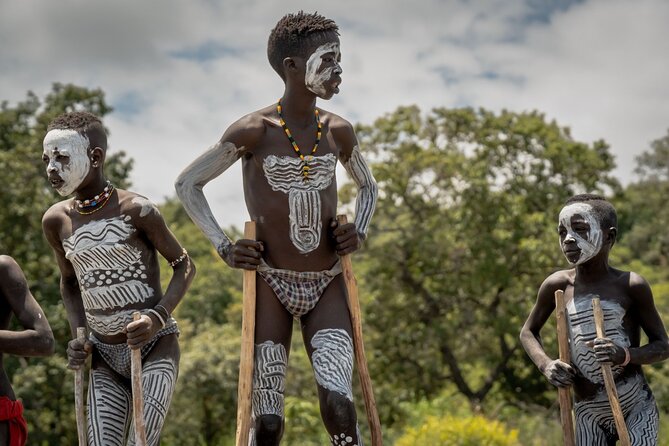
- Five tribes and several distinct regions: The route may include Dorze, Konso, Hamer, Dasenech, Karo and Mursi communities.
- Private touring: Only your group takes part, with pickup from Arba Minch airport.
- Wildlife on Lake Chamo: A morning boat trip offers crocodiles, hippos and birds.
- A demanding road schedule: The tour links Arba Minch, Turmi, Omorate, Karo country and Jinka in five days.
- Guide support matters: Mohammed and the Jebena Tours team are praised for careful timing, practical help and clear explanations.
- Several costs are extra: Lunch, dinner, alcohol, flights, photo fees and personal expenses are not included.
Why the Omo Valley requires a serious five-day plan
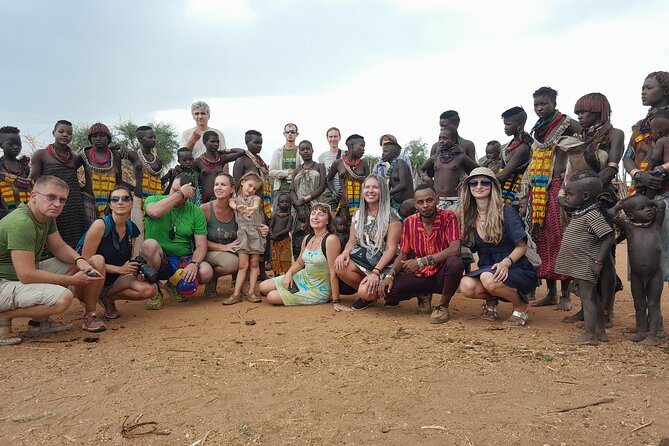
The lower Omo Valley is far from Ethiopia’s main urban centers, and its communities are spread across a wide area. That distance is part of the appeal, but it also explains the early departures, rougher road stretches and long hours in the vehicle.
This tour begins in Arba Minch and ends in Jinka, where you take your flight back to Addis Ababa. You are not making a simple loop. Each day shifts you farther into the valley, then the final morning brings you back toward Jinka for departure.
I would choose this format if you want a strong first look at southern Ethiopia and prefer a private guide to a large group. Five days gives you a useful range of places, but it does not allow long, unhurried stays in every village. If your goal is detailed cultural photography or repeated visits with one community, you will want to ask Jebena Tours Ethiopia about adding days.
The experience is best for someone comfortable with a moderate level of physical activity. You should also be ready for early mornings, warm conditions, basic settings and changes in timing caused by roads, weather or local circumstances.
Other trips south from Ethiopia:
- 6 Days Omo Valley Tribes Tours From Addis Ababa
★ 5.0 · 33 reviews - Lalibela, Axum, Danakil and Omo Valley 8 DAYS
★ 5.0 · 29 reviews - 3 Days Omo Valley Tour
★ 5.0 · 24 reviews
Day 1: Dorze huts above Arba Minch
Your first day starts with airport pickup in Arba Minch, followed by lunch with the Jebena Tours team. The Dorze village is about 22 kilometers from town, so the opening drive is relatively short compared with the road days that follow.
The Dorze are known for their tall, rounded homes, often described as having the shape of an elephant’s face. The design is not just a visual curiosity. It gives the village a strong sense of place and offers an immediate introduction to local building traditions.
Traditional weaving is another important part of the visit. This gives you more to look at than a quick photo stop, since the village visit connects homes, craft work and daily life. You can expect about three hours here, including the journey and time in the community, before returning to Arba Minch.
I like this first day because it eases you into the region. You get a cultural visit without immediately spending most of the day on the road. The limitation is that the Dorze stop is brief, so you should treat it as an introduction rather than a full exploration of the highlands.
Day 2: Lake Chamo wildlife and Konso stone villages
Day 2 begins early with a boat trip on Lake Chamo, in the Nechisar National Park area. The boat outing lasts about two hours and is aimed at seeing crocodiles resting in the sun, hippos and a range of birds.
This is a welcome change from village visits. The animals are viewed from the water, and the morning timing gives the outing a clear purpose. Bring patience and keep your camera ready, since wildlife does not work to a timetable.
After Lake Chamo, the route continues to Konso. The Konso people are known for walled villages and careful hillside farming, including stepped terraces that help protect soil and make use of difficult ground. The village area is recognized by UNESCO, giving the stop cultural and environmental importance beyond its appearance.
The listed visit is about an hour, which is short. Still, Konso adds a different kind of cultural experience to the tour. Dorze introduces distinctive homes and weaving, while Konso shows how settlement design and farming practices shape an entire community.
After Konso, you continue to Turmi for the night. This is one of the days when the schedule matters most. You combine water, wildlife, cultural heritage and a long transfer, so do not expect a leisurely afternoon.
Day 3: Hamer traditions and the Omo River crossing
Turmi is associated with the Hamer people, one of the largest communities in the Omo Valley. The Hamer are especially known for bull jumping, a rite connected with a man’s movement from one age group to another. The ceremony does not happen on demand, so this itinerary should not be sold on the assumption that you will see bull jumping.
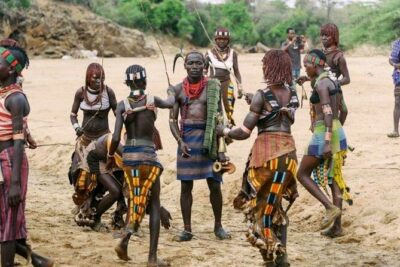
You may instead learn about Hamer clothing and hairstyles. Hamer women are known for colorful leather clothing and distinctive dreadlocked hair. These details are meaningful cultural markers, not costume decoration, and your guide can help place them in context.
The Turmi visit lasts about two hours. After breakfast, the route continues toward Omorate to visit the Dasenech community. Before reaching the village, you cross the Omo River in a carved wooden boat.
That crossing is one of the trip’s most memorable practical details. It is not a scenic cruise designed for comfort. It is part of how you reach the community, and it gives the day a stronger connection to the river and the people who live near it.
The Dasenech are known for egg-shaped huts built by women. The village visit lasts about four hours, making it one of the longer cultural stops on the route. You will have more time here to look at homes, hear explanations and understand how the community lives in a dry, remote setting.
I appreciate the contrast between Turmi and Omorate. Hamer culture is presented through clothing, ceremony and age-group traditions, while Dasenech life is tied more directly to the river and distinctive household construction. The tradeoff is another long day in the vehicle, followed by a cultural visit that may involve heat and basic conditions.
A few more trips from Ethiopia worth a look
- 5 DAYS Lalibela, Axum, Tigray churches and Danakil
★ 5.0 · 34 reviews - Danakil Depression and Lalibela 5 Days Tours
★ 5.0 · 28 reviews - 5 Days North Ethiopia Tours
★ 5.0 · 23 reviews - 5 DAYS Axum, Lalibela, Tigray churches and Danakil
★ 4.5 · 22 reviews
Day 4: Karo body painting beside the Omo

Day 4 takes you toward the Karo communities along the Omo River. The total visit is listed at about five hours, so this is a more substantial cultural day than some of the shorter stops.
The Karo are known for body painting, and the setting beside the Omo adds a strong visual element. Here, the river is not just a backdrop. It helps explain settlement patterns, movement and the character of the area you are visiting.
This is also a good day to pay attention to how photography is handled. Photo fees are not included in the tour price, and you should budget for them separately. Ask your guide about local expectations before taking pictures, then follow the instructions given in the village.
The Karo visit is likely to appeal most to people interested in visual culture and portrait photography. But the point should not be to collect images of people as if they were exhibits. A good guide helps you slow down, ask permission and understand that each person and community has their own rules.
The itinerary calls this stop part of Omo National Park and River, and admission is included. Even so, the day is not a conventional national park safari. The main attraction is the combination of river scenery, community life and cultural traditions.
Day 5: Mago National Park and the Mursi community

The final day starts early with a drive to Mago National Park and a visit to a Mursi community. The Mursi are widely known for the lip plates worn by some women, traditionally beginning with a lower-lip piercing and gradual stretching.
This subject needs respectful attention. The lip plate is one part of Mursi identity, not the whole story of the community. Your guide’s role is important here, since a brief visit can easily become superficial if you focus only on the most frequently photographed custom.
After the visit, you drive back to Jinka for your flight to Addis Ababa. The cultural stop and return journey take about four hours in total, but you should confirm the exact flight timing before booking. The schedule is designed to connect with your departure, and delays on the road could matter.
Ending in Jinka makes the tour practical for visitors who do not want to retrace the entire route to Arba Minch. It also means the trip finishes with a transfer rather than a relaxed final afternoon.
What the private format adds
A private tour can make a real difference in the Omo Valley. Only your group participates, so you are not waiting for a large vehicle or trying to hear a guide over several conversations. You can also raise questions as they arise and spend more attention on the places that interest you most.
Mohammed is repeatedly associated with this tour as a warm, helpful guide who explains local customs and handles practical problems. The service is also suited to families: one family completed the journey with a five-year-old and an eight-month-old child, with the guide helping keep everyone comfortable.
That does not make the route easy for every family. Babies and young children may handle a private vehicle better than a group departure, but the long drives and early mornings still require planning. A private trip gives you flexibility, not shorter distances.
The guides also appear to be useful for more than sightseeing. The trip has been praised for good timing, organized vehicles, help with extra requests and assistance with questions during the journey. Those details matter in a remote region, where a calm local contact can make a large difference.
What the $1,290 price includes and leaves out
At $1,290 per person, this is not a bargain-priced short excursion. You are paying for five days of private touring across a remote part of Ethiopia, with airport pickup, a vehicle, cultural visits, national park access where stated, guide support and the route’s planning.
The price includes four breakfasts. It does not include lunch, dinner, alcohol, flights, photo fees or personal expenses. Those exclusions are important because meals and photography can add up across five days, and the final flight from Jinka to Addis Ababa is a separate cost.
I would judge the value based on what you want from the trip. If you want private transport, several communities, wildlife on Lake Chamo and a carefully arranged route through difficult-to-reach areas, the price can make sense. If you mainly want one or two village visits, a shorter local outing may be better value.
Ask for a clear estimate of expected extra costs before paying. In particular, confirm the flight, meal arrangements, accommodation in Turmi, photo fees and any other park or local charges not listed as included.
Practical details that can shape the experience
Pickup is offered from Arba Minch airport, and the stated operating hours are 6:00 AM to 6:00 PM daily. Confirmation is provided at booking, and the activity is listed as being near public transportation, though the route itself quickly moves into remote areas.
A mobile ticket is available. You should still keep your booking information accessible, since the tour involves several transfers and a final flight connection.
The cancellation rule is simple: cancel at least 24 hours before the start time for a full refund. Changes or cancellations within 24 hours are not refunded, and poor weather can lead to a new date or a full refund.
Pack for road travel rather than a city break. Bring water, sun protection, comfortable clothing and shoes suitable for a moderate level of activity. Keep some room in your budget for meals, flights and photography, and leave your daily schedule flexible enough for road conditions.
Who should book this Omo Valley journey?
I would recommend this tour to you if you want a concentrated first visit to southern Ethiopia, prefer private guiding and care about meeting several communities rather than staying in one area. It is also a good match if you want cultural visits mixed with a little wildlife and river travel.
Families may find the private format helpful, especially if they need more control over stops and pacing. Photography enthusiasts will find strong subjects, but they must be ready to pay photo fees and follow local rules.
I would hesitate to recommend it to anyone seeking a slow, comfortable holiday. The route covers a great deal of ground, includes early starts and leaves some stops with only an hour or two. It is also not ideal if you want a guaranteed bull-jumping ceremony or a full safari experience.
Should you book it?
Book this five-day tour if you want the Omo Valley’s major cultural highlights in one organized private journey and you accept the long road days. The mix of Dorze homes, Konso terraces, Hamer traditions, Dasenech huts, Karo body painting, Mursi culture and Lake Chamo wildlife gives you a broad introduction.
Before booking, ask Jebena Tours Ethiopia to confirm the guide, hotel details, flight timing from Jinka and all extra charges. If you can add more days, do so. If five days is your limit, this is a practical and unusually varied way to see the region, provided you arrive ready for heat, distance and a full schedule.
FAQ
Where does the tour begin?
The tour begins with pickup from Arba Minch airport, followed by lunch with the Jebena Tours Ethiopia team.
Where does the tour end?
The tour ends in Jinka after the Mursi visit and the drive back from Mago National Park. From Jinka, you take your flight back to Addis Ababa.
Which communities are included?
The itinerary includes visits connected with the Dorze, Konso, Hamer, Dasenech, Karo and Mursi communities. The wider Omo Valley region is also home to Ari, Bena and Tsemay communities, but this five-day route does not list visits to all of them.
Is the tour private?
Yes. Only your group participates in the activity.
Are meals included?
Four breakfasts are included. Lunch, dinner and alcohol drinks are not included.
Is the flight from Jinka to Addis Ababa included?
No. Flights are listed among the expenses not included in the tour price.
What is the cancellation policy?
You receive a full refund if you cancel at least 24 hours before the experience begins. Cancellations or changes made within 24 hours are not refunded. If poor weather causes the tour to be canceled, you are offered another date or a full refund.
Just added out of Ethiopia
- 2 days Tigray Church★ 5.0 · 3 reviews
- 3 days tour Danakil Depression (Dallol & Erta Ale)★ 4.0 · 5 reviews
- Yod Abyssinia Cultural Night: Dinner, Music, and Dance★ 5.0 · 7 reviews
- The Rock-Hewn Churches of Lalibela: 3 Days / 2 Nights★ 5.0 · 6 reviews
- Trekking in Ethiopia’s Lalibela Wollo Highland 4 Days / 3 Nights★ 5.0 · 6 reviews
- 2 Days Dallol Trip★ 5.0 · 4 reviews
- Lasta Mountains: Highland Eco Trekking Tour in Lalibela★ 5.0 · 4 reviews
- Lalibela churches Guided Tour★ 5.0 · 6 reviews
Omo Valley Tribal Tours, compared.
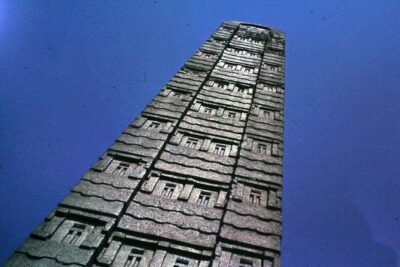
Lalibela, Axum, Danakil and Omo Valley 8 DAYS
Read our review →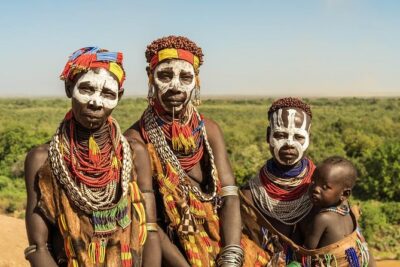


9 Days Tours To Danakil Depression, Simen MNP, Lalibela With Omo Valley Tribes
Read our review →
8 Days Lalibela,Danakil Depression and Omo Vally Tours
Read our review →
Browse the lists this tour appears in