

Reviewed · OMO VALLEY TRIBAL TOURS
6 days Omo valley cultural Tour
The Omo Valley is one of Ethiopia’s most striking cultural regions, and this six-day route gives you a quick but serious look at several communities, from Dorze weavers and Konso farmers to Mursi, Hamer, and Karo people. The trip is built around local villages, markets, and daily work rather than a string of ordinary sightseeing stops.
I like the small maximum group of eight, which should make village visits easier and allow room for questions. I also like the focus on places many short Ethiopian tours skip, especially Dorze and Konso. The tradeoff is the distance: you will spend long hours on the road, and the schedule may feel rushed if you prefer slow, unplanned encounters.
Key points before you book

- Dorze homes and weaving: See tall, beehive-shaped bamboo houses surrounded by enset, spices, cabbage, and tobacco.
- UNESCO-listed Konso: Visit stone-walled villages and terrace systems shaped by communal farming.
- Several distinct communities: The route includes Ari, Mursi, Hamer, and Karo cultural visits.
- Market days matter: Key Afer is visited on Thursday, while Dimeka is visited on Saturday.
- Small-group format: The maximum is eight people, with an English-speaking guide and air-conditioned vehicle.
- Flexible local service: The operator has adjusted plans for personal requests and last-minute changes, according to the supplied feedback.
Why this route is worth your six days

The Omo Valley is not a single culture or a single type of visit. It is a large southern region where different communities have their own homes, clothing, farming methods, ceremonies, art, and languages. This tour gives you a broad introduction in less than a week.
That variety is the main reason to consider it. In six days, you see traditional architecture in Dorze, organized terrace farming in Konso, pottery and enset use among the Ari, body decoration among the Mursi and Karo, and Hamer village life around Turmi.
The route also has a useful balance of structured stops and ordinary local settings. Museums provide context. Markets show people buying and selling practical goods. Villages give you a closer look at housing, food preparation, farming, music, and adornment.
Still, this is not an easygoing countryside holiday. Roads in the Omo Valley can make a short distance take much of a day. You should expect early starts, several hours in the vehicle, and basic conditions in some areas. The reward is access to places that are difficult to reach independently.
Other trips south from Addis Ababa:
- 6 Days Omo Valley Tribes Tours From Addis Ababa
★ 5.0 · 33 reviews - 3 Days Omo Valley Tour
★ 5.0 · 24 reviews - 6 Days Lalibela, Omo Valley and Harar
★ 5.0 · 15 reviews
Day 1: Dorze homes above Chencha
The first cultural stop is Dorze Village, reached by an uphill drive of about an hour to Chencha. The Dorze are part of the Omotic language group and were once known as warriors. Today, farming and weaving are central to local life.
The most memorable feature is the Dorze house. These tall bamboo buildings have a beehive shape and can reach roughly 12 meters. Their unusual front section forms a reception room, while the structure rises above small household gardens.
Look closely at the plants around each home. Enset, often called false banana, is an important crop, and you may see beds of spices and cabbage. Tobacco also grows here, reflecting a local fondness for smoking. These details help you understand that the house is not an isolated showpiece. It belongs to a working household with food production close at hand.
Dorze weaving is another major reason for the stop. The community is known for cotton cloth, and the visit gives you a chance to see the connection between traditional skill and income. If you want to buy fabric or handicrafts, this is a natural place to ask your guide how purchases work and how much is appropriate.
The scheduled visit lasts about three hours. That is enough time for an introduction, a look at the homes, and some cultural explanation, but it may not allow for a relaxed village wander. Keep your expectations sensible. You are receiving a focused introduction, not a long stay with one family.
Day 2: Konso terraces and Ari daily life
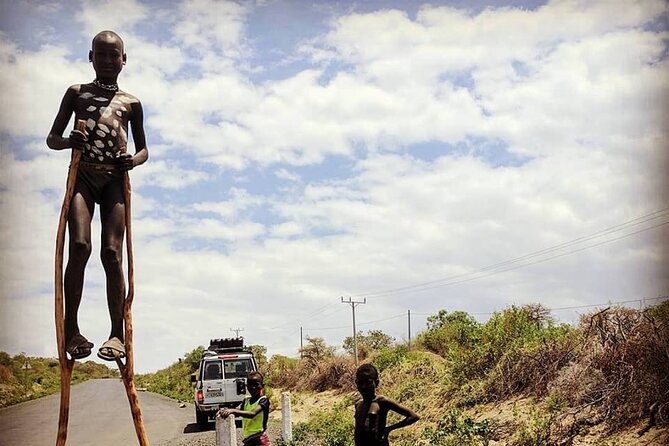
Konso is one of the strongest cultural stops on the route. Its stone-walled villages and farming terraces are recognized by UNESCO, particularly for the communal work that created and maintained the terrace system.
This is a place where the setting and the human work belong together. The terraces are not simply scenic hillsides. They show how people have organized soil, water, stone, and labor over time. The stone walls also help define the villages and give Konso a very different appearance from the other places on this journey.
You visit the Konso Cultural Centre for about three hours. This stop is useful early in the tour because it gives you a framework for understanding southern Ethiopia’s many communities. Ask your guide to connect what you see at the centre with the farming systems outside it.
Later, in the Jinka area, you visit an Ari village. The Ari are described as the largest population group in the middle Omo Valley. Their daily life includes farming, pottery, and food preparation.
Ari women are known for skirts made from enset and for pottery work. Watching food preparation can be more revealing than a formal presentation because it shows how crops, household tasks, and local materials fit together.
The Ari visit is scheduled for about two hours and has no separate admission charge. That does not mean the encounter has no value. It means the cost structure is handled within the tour rather than through a listed entry ticket. Bring patience and let your guide explain how to approach people, ask before taking photographs, and avoid treating the visit like a staged performance.
Day 3: Mursi country in Mago National Park
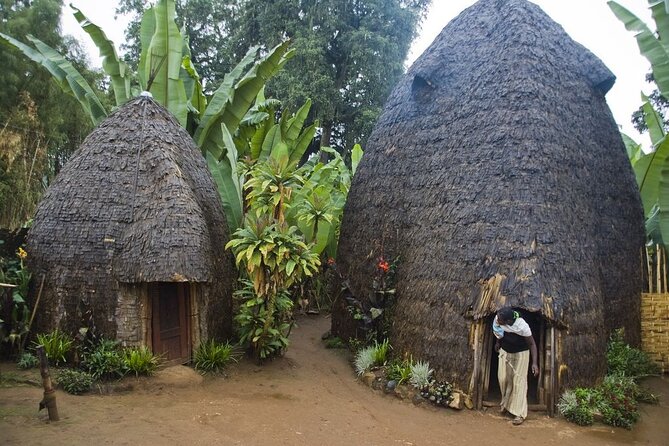
Day three takes you to Mago National Park for a visit to a Mursi settlement. The Mursi are known for distinctive forms of personal adornment, including expanded lower lips and decorated earlobes among some women.
Their homes are low structures made from straw and leaves. Compared with the tall Dorze houses, they show how different materials and living patterns shape village design.
The Mago visit takes about four hours. The time includes the drive and the settlement visit, so the day is likely to feel active. You should be ready for uneven roads and a remote setting. The supplied information calls for moderate physical fitness, and that matters here even though this is not described as a strenuous hike.
This stop calls for care. Body adornment is part of a living culture, not a costume placed there for a photograph. Listen first, follow your guide’s instructions, and ask about photography before raising your camera. A respectful approach will make the visit more comfortable for you and for the people you meet.
In the afternoon, you drive to Turmi, home of the Hamer people. The route includes a market visit when the schedule matches the market day. Key Afer market day is Thursday, and Dimeka market day is Saturday.
Markets are among the most useful stops on a cultural tour because they show ordinary exchange rather than a prepared display. You can see local commerce, clothing, food, and household goods in one place. The exact experience depends on the day, so confirm the dates before booking if the market is a priority.
More history around Addis Ababa:
- Day Trip From Addis Ababa See Historical Monastery,Stunning Nature,Animals,Birds
★ 5.0 · 303 reviews - Hidden Treasures of Addis Ababa – Food, Culture and History Tour
★ 5.0 · 57 reviews - Addis Ababa – Half Day Cultural Experience
★ 4.5 · 23 reviews - “Addis Uncovered: Culture, Views & Everyday Vibes
★ 4.8 · 12 reviews
Day 4: Karo art and Hamer traditions
The fourth day focuses on the Karo people of the Lower Omo River region. Karo artistic traditions include body painting, scarification, elaborate headdresses, and beadwork. These forms carry cultural meaning and are connected to ceremonies and personal expression.
The visit may include a guided walk through a Karo village, conversation about customs and beliefs, and a look at activities such as farming or fishing. The program also describes a traditional meal and sunset views along the Omo River, though exact activities can vary.
This is one of the tour’s most visually distinctive days, but it is also one where your behavior matters most. Ask before photographing people, particularly when body paint or ceremonial dress is involved. Your guide can help explain what is appropriate.
The Karo population in this area is described as fewer than a thousand people. That small population makes the visit feel especially significant, but it also means you should avoid approaching it as a spectacle. The best experience comes from paying attention to the meaning behind the decoration, not simply collecting striking images.
The afternoon returns you to Turmi for a Hamer village visit. You can learn about housing, music, coffee, and everyday life. The program may include the famous bull-jumping ceremony or a traditional Hamer wedding if one is taking place.
The wording matters: these events are conditional. A ceremony is not guaranteed simply because you visit on day four. If one does occur, it may be a powerful cultural experience, but you should not expect the tour to create or stage it for your arrival.
Hamer women are known for distinctive hairstyles and necklaces, with particular meanings attached to them. The visit is scheduled for about three hours, enough for a focused introduction to the community and its customs.
Day 5: Another look at Karo culture and Jinka’s museum
Day five returns to Karo country, giving you more time with the community’s art and ceremony. You will see references to body painting, scarification, headdresses, and agricultural life again, but a second visit can be useful after you have already spent time in the region.
The day also includes a drive to Jinka and a stop at Dimeka Market if it is Saturday. The listed time for the Karo visit and transfer is about six hours, so this is another long day. If your schedule does not line up with Saturday, the market stop will not have the same timing or may not be possible as described.
In Jinka, the ethnological museum provides an overview of the nations and nationalities of southern Ethiopia. This is a helpful place to pause after several village visits. It can help you separate the traditions of one community from those of another rather than blending every cultural detail together.
The museum visit takes about two hours. It may feel less immediate than the villages, but it gives the whole trip more context. I would especially value this stop if you are new to Ethiopia and want a clearer picture of the region’s cultural variety.
Day 6: Addis Ababa, shopping, and a farewell meal
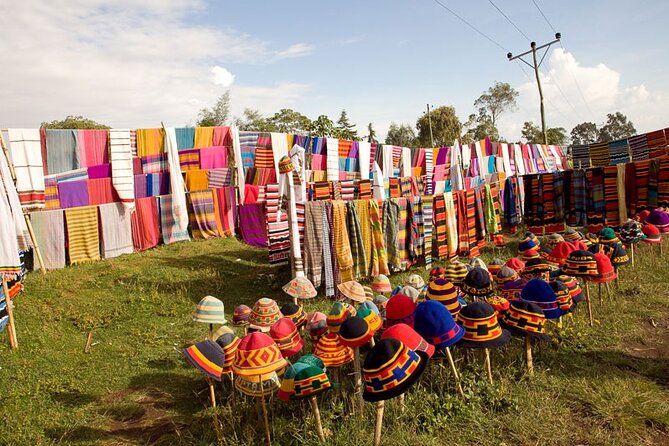
The final day returns to Addis Ababa for shopping and a farewell gathering. The evening includes a cultural dinner, a traditional buffet, and local drinks before airport transfer for an international departure.
This arrangement works best if your international flight is late enough to allow the scheduled activities. The tour description does not give a specific flight time or say that airfare is included, so confirm the airport transfer plan and leave enough margin for delays on the road.
The farewell meal gives the trip a social finish. After several days of village visits, markets, museums, and long drives, sitting down to local food and drinks can help bring the experience together. It is also a practical chance to ask final questions about dishes, ingredients, or customs you encountered along the way.
Shopping is included in the day’s plan, but the exact shops and products are not specified. If you want particular crafts or woven goods, tell the guide early rather than waiting until the final hours.
What $1,250 covers

At $1,250 per person, the price is not low, but the value depends on what you would otherwise need to arrange yourself. The package includes an air-conditioned vehicle, English-speaking guide, six breakfasts, dinner, entrance fees and taxes.
You are also paying for a driver, route planning, local access, and the practical work of moving through a large and remote region. The maximum group size of eight helps keep the cost more reasonable than a private trip while avoiding a large coach group.
Personal expenses are not included. Set aside money for crafts, snacks, drinks outside the included meals, and any other purchases. The provided information does not specify the number of included dinners beyond listing dinner as an inclusion, so confirm the meal plan before paying.
The strongest value comes if you want a structured introduction to several Omo Valley communities and do not want to manage transport across difficult routes yourself. It is less compelling if you want a luxury standard, a slow photography trip, or complete control over each day.
Transport, fitness, and group size
The vehicle is air-conditioned, which matters during long road sections. Even so, air conditioning does not turn the route into a smooth highway journey. Expect the driving time to be a major part of the experience.
The tour requires moderate physical fitness. You should be comfortable with long days, village walking, and changing conditions. No special hiking distance is provided, so the sensible preparation is good walking shoes, sun protection, water, and clothing suitable for warm outdoor visits.
A maximum of eight people is a real advantage. Small groups can enter village settings with less disruption, and you have a better chance to speak with the guide. The guide and driver are also key to the experience. The supplied feedback specifically praises professional, friendly service, safe driving, and the ability to handle last-minute changes.
That flexibility may be useful if you have specific preferences. Still, ask for any major changes before departure, since the schedule includes fixed market days and long transfers.
Who should book this Omo Valley tour?
I would choose this trip if you want cultural variety in a short period, prefer local-led visits, and accept that remote Ethiopia requires patience. It suits curious first-time visitors who want more than Addis Ababa and the major historic sites.
It may also suit a solo visitor. The supplied feedback specifically describes the driver as kind and safe and says a woman traveling alone could participate with confidence. That is encouraging, although every solo visitor should still confirm the room, transport, and daily arrangements directly with the operator.
I would be more cautious if you need predictable roads, polished hotels, or lots of free time. The six-day schedule covers a great deal of ground. You will see more communities, but you will have less time to linger in each one.
Book only after confirming the departure date, market-day timing, flight connection on day six, hotel details, and exactly which meals are included. Free cancellation is available until 24 hours before the start time. Inside that window, the payment is not refunded, and poor weather or failure to meet the minimum group size may lead to a different date, another experience, or a full refund.
Should you book it?
Book this tour if your priority is meeting several Omo Valley communities with transport, a guide, meals, and local planning handled for you. The Dorze houses, Konso terraces, Mursi settlement, Hamer traditions, and Karo art give you a broad cultural picture in a compact schedule.
Skip it if you want a relaxed pace or dislike long road days. For the right kind of visitor, $1,250 buys access and structure in a difficult region to organize alone. Go with an open mind, ask before taking photographs, and judge the trip by the people and places you encounter, not by how many stops you can tick off.
FAQ
How long is the Omo Valley cultural tour?
The tour lasts approximately six days, beginning in Addis Ababa and returning there for shopping, a farewell dinner, and airport transfer.
What is the tour price?
The listed price is $1,250 per person.
What is included in the price?
The package includes an air-conditioned vehicle, all fees and taxes, an English-speaking guide, six breakfasts, and dinner.
What is not included?
Personal expenses are not included. This may cover shopping, snacks, drinks, and other individual purchases.
How large is the group?
The tour has a maximum of eight travelers.
What fitness level is required?
A moderate level of physical fitness is recommended. The program includes long driving days and visits to villages and national parks.
Which market days are included?
Key Afer market day is Thursday, and Dimeka market day is Saturday. The actual visit depends on how your dates match the route.
Can I cancel for a full refund?
Yes. You can cancel at least 24 hours before the start time for a full refund. Cancellations or changes made less than 24 hours before the start time are not refunded or accepted.
More 6-Day Experiences in Addis Ababa
- 6-Day Omo Valley Cultural Private Tour
★ 5.0 · 6 reviews - 6 day Omo ValleyTours
★ 5.0 · 5 reviews - 6 days 5 nights Addis Abeba sightseeing & Lalibela Rock-Hewn Churches
★ 5.0 · 3 reviews - 6 Days tour Package (Simien Mountains, Lalibela, and Danakil Depression)
★ 5.0 · 32 reviews
Just added out of Addis Ababa
- Yod Abyssinia Cultural Night: Dinner, Music, and Dance★ 5.0 · 7 reviews
- Locally crafted beer and wine tasting and nightlife in Addis tour★ 5.0 · 6 reviews
- Stunning Views Wonchi Crater Lake a Private Day Trip★ 5.0 · 3 reviews
- Addis Ababa City Tours Full-Day Tours★ 5.0 · 5 reviews
- Two days Lake Wenchi and Menagesha Forest★ 5.0 · 3 reviews
- Tribes of the Ethiopian Omo Valley – 9 Day Tour★ 5.0 · 5 reviews
- 3-Day Cultural Tour in South Omo Valley★ 5.0 · 4 reviews
- Day Trip to Tiya UNESCO Site & Melka Kunture Archaeological Site★ 4.5 · 3 reviews
Omo Valley Tribal Tours, compared.
Lalibela, Axum, Danakil and Omo Valley 8 DAYS
Read our review →



9 Days Tours To Danakil Depression, Simen MNP, Lalibela With Omo Valley Tribes
Read our review →
5 Day Private tour to the Omo Valley Tribes and Adventure Tour
Read our review →
8 Days Lalibela,Danakil Depression and Omo Vally Tours
Read our review →Browse the lists this tour appears in