
Reviewed · OMO VALLEY TRIBAL TOURS
Omo valley Tour: Discover unique 0 century 🕛 tribes culture
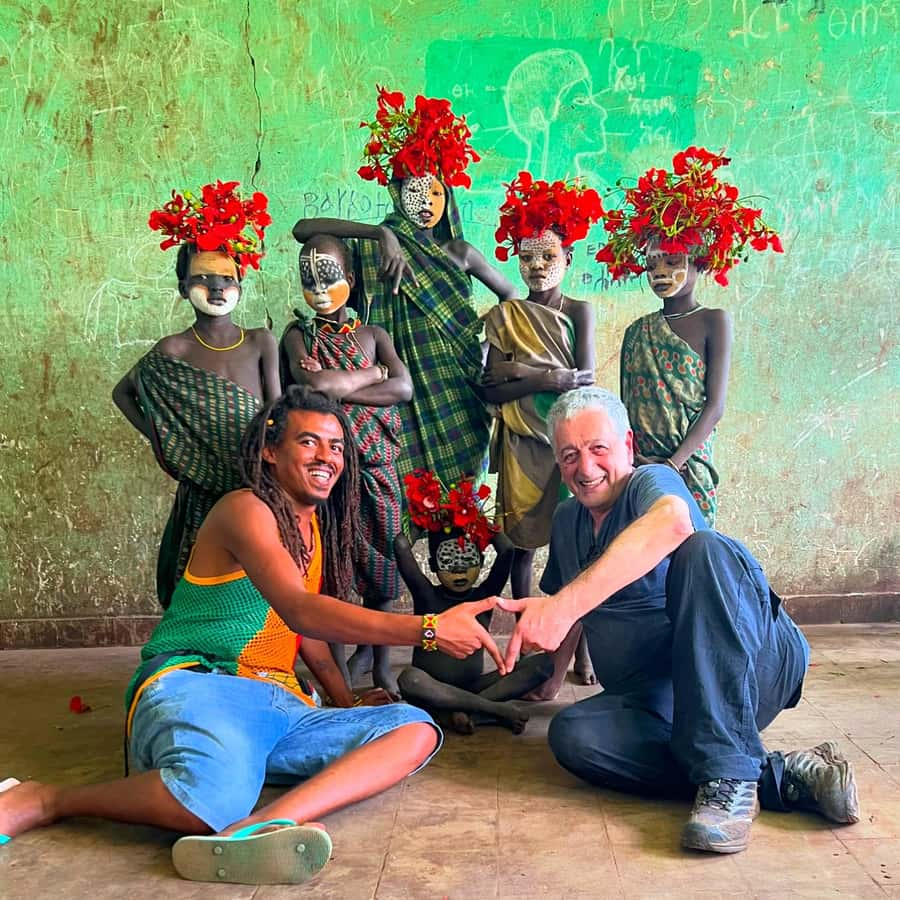
Bull jumping among the Hamar, painted faces beside the Omo River, and the lip plates of Mursi women give this tour its strong pull. You are not simply driving between sightseeing stops. You are entering a part of Ethiopia where cattle, family, marriage, trade, and ceremony still shape daily life. Kali’s personal guiding and the chance to visit several communities in one trip are two major strengths.
I also like the practical package: transport, meals, water, lodging, park fees, and a scout are included. Driver Elias has been praised for making the long road days easy, and the tour can be adjusted for private groups or small parties. The main caution is distance. Roads and schedules can be demanding, and a short three-day trip gives you only a quick look at a very large region.
Key points to know before you book
- Hamar culture is the emotional high point: Depending on local timing, you might see a bull-jumping ceremony, a major rite connected with marriage and adulthood.
- The Saturday Dimeka market brings several communities together: Hamar, Bana, Karo, Dassanech, and Tsemay people come to trade goods and cattle.
- Kali and Elias provide a personal setup: Kali guides the cultural visits, while Elias handles the driving on the reported three-day route.
- Mago National Park adds a wildlife and rural setting: The Mursi visit takes place inside the park, with a scout included.
- The $500 price covers a lot: Meals, mineral water, lodging, park and village fees, transport, and camping equipment are part of the package.
- This is best for flexible, curious visitors: You need patience for long drives and respect for communities where photography and cultural contact require care.
The Omo Valley is not a quick city excursion. From Jinka, the tour heads toward villages, markets, national parks, and river country in southern Ethiopia. The roads take time, but that is also the point. You are moving into a part of the country where distance has helped preserve distinct languages, clothing, ceremonies, farming practices, and cattle traditions.
The standard plan lasts three days and two nights, though the operator can arrange trips from two to seven days, and even longer private programs according to your time and budget. At $500 per person, the cost is reasonable if you use most of the inclusions. It becomes less attractive only if you expect a polished resort-style holiday or a rapid schedule with no rough edges.
Starting in Jinka and heading toward Turmi
Your trip begins with pickup in Jinka, including airport pickup if you arrive there by air. The first day includes lunch in Jinka before the drive to Turmi and the Hamar area. You can also arrange collection in Addis Ababa, Arba Minch, Mekelle, or Semera, but the listed three-day program itself begins in Jinka.
This setup matters. Jinka is the practical base for several Omo Valley visits, and starting there avoids spending the first day on an extremely long transfer from Addis Ababa. If you fly into Jinka, confirm the pickup time and your onward departure plans carefully, since the final day also ends in Jinka on the standard route.
The drive is part of the experience, but it is not the most comfortable part for everyone. You may spend many hours in the vehicle, and road conditions can affect the schedule. A private or small group gives you more room to pause, adjust the pace, and ask for time at a market or village.
Other trips south from Ethiopia:
- 6 Days Omo Valley Tribes Tours From Addis Ababa
★ 5.0 · 33 reviews - Lalibela, Axum, Danakil and Omo Valley 8 DAYS
★ 5.0 · 29 reviews - 3 Days Omo Valley Tour
★ 5.0 · 24 reviews
Meeting the Hamar near Turmi
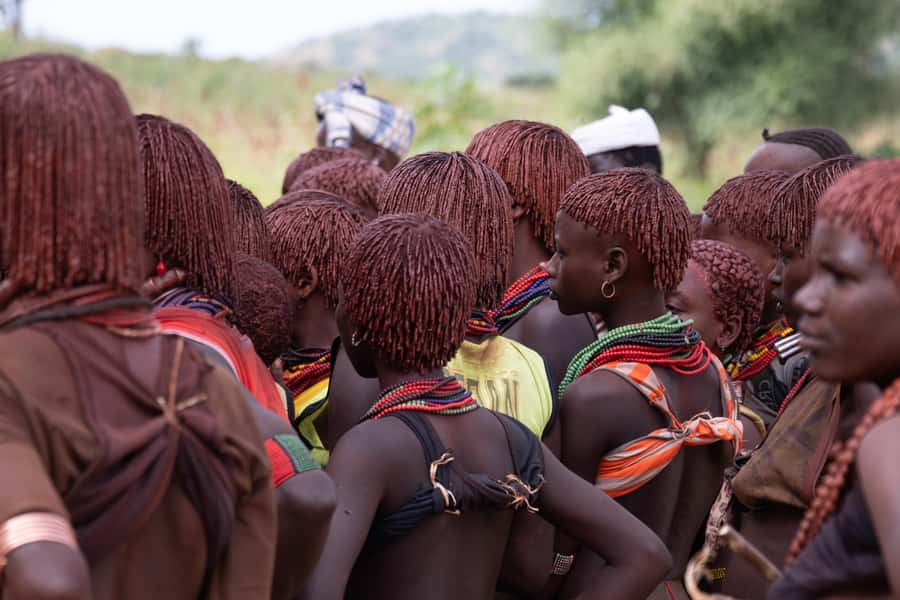
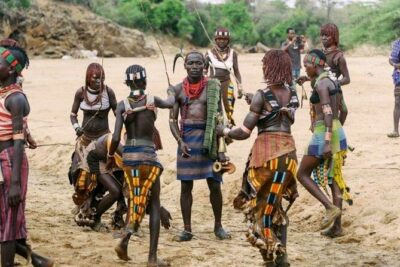
The Hamar visit is the first major cultural encounter. The community is associated with distinctive clay-shaped hairstyles, body scarring, cattle culture, and the bull-jumping ceremony that marks a young man’s passage toward marriage.
Bull jumping is not a scheduled show in the ordinary tourist sense. It is a local event tied to community life, so you cannot assume it will happen on your exact date. One person on the three-day program happened to witness the ceremony and described it as the strongest part of the trip. That is a useful reminder to keep expectations open: you may see a ceremony, or you may spend your time learning about Hamar life in the village.
The overnight arrangement is either camping with the Hamar or staying at an eco-lodge inside the Hamar village area. Ask in advance which option is planned for your dates. Camping adds a closer connection to the setting, while the lodge may suit you better if you value a bed and more predictable comfort.
The Hamar stop also raises an important question about respectful contact. You are entering someone’s home area, not a museum. Follow Kali’s advice about photographs, keep your attention on people rather than collecting images, and ask before taking pictures. The tour company says its work aims to support fair pay and limit harm to people, animals, and nature. Your own conduct remains part of that effort.
The Karo and the Omo River

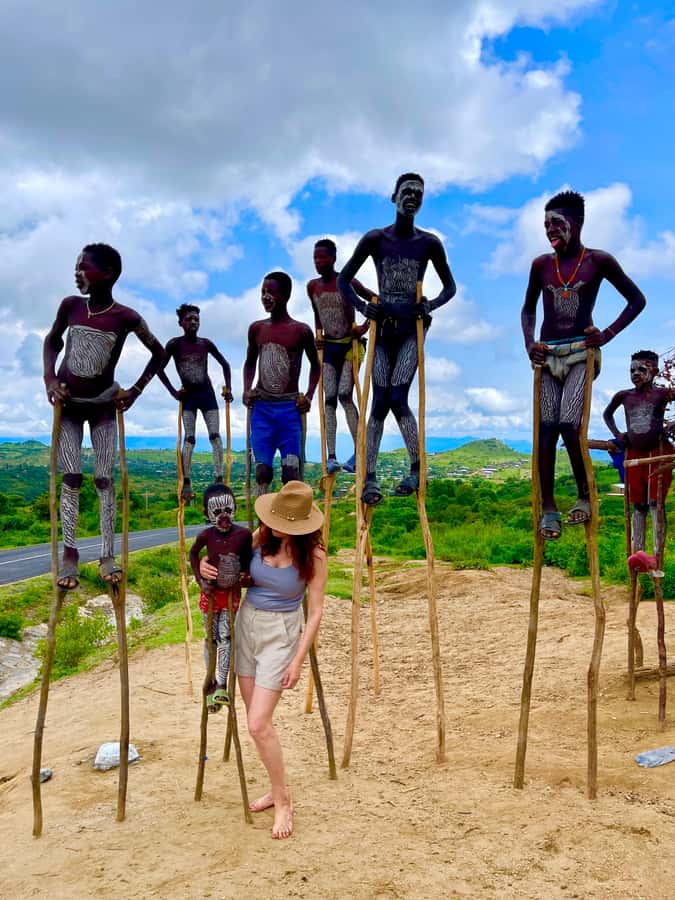
After breakfast on the second day, the route continues toward the Karo, who live along the Omo River. The Karo are agro-pastoralists, meaning their lives include both farming and livestock keeping. They are also known for body painting, which gives this stop a very different visual character from the Hamar visit.
The river setting makes the Karo section especially memorable. It also explains why the boat crossing is included in the price. River travel and crossings can be simple, practical parts of local transport rather than sightseeing cruises, so do not expect a long boat excursion. The important benefit is that you can reach the Karo area without arranging the crossing separately.
Karo body paint should be treated as cultural expression, not a costume display. I would ask your guide how to approach the visit, when to photograph, and how any local payments work. The operator includes village entry fees, but the supplied information does not say that every photograph or personal interaction is covered.
Saturday at Dimeka Market
The Dimeka market is scheduled for Saturday and is described as the largest Hamar market in the area. It draws Hamar, Bana, Karo, Dassanech, and Tsemay people to buy and sell products and cattle.
This is the most useful stop for seeing several communities in one place. A village visit can show you how one group lives, while a market reveals exchange between groups. You might see different clothing, goods, livestock, and trading habits side by side. The word colorful fits the clothing and activity, but the real value is economic: this is a working market, not just a performance arranged for visitors.
Timing is crucial. If your trip does not include Saturday, you will not get this particular market visit. Ask for the exact day before booking the short program. If the market matters to you more than adding another village, it may be worth shaping your departure around it or choosing a longer custom trip.
Markets can also be crowded and visually intense. Keep your belongings secure, carry some cash, and follow local guidance about photography. The tour says some cash is useful, but it does not specify how much, so you should ask Kali what is practical for market purchases and tips.
More history around Ethiopia:
- Day Trip From Addis Ababa See Historical Monastery,Stunning Nature,Animals,Birds
★ 5.0 · 303 reviews - Hidden Treasures of Addis Ababa – Food, Culture and History Tour
★ 5.0 · 57 reviews - Addis Ababa – Half Day Cultural Experience
★ 4.5 · 23 reviews - “Addis Uncovered: Culture, Views & Everyday Vibes
★ 4.8 · 12 reviews
Entering Mago National Park for the Mursi visit
The third morning takes you about 66 kilometers from Jinka to a Mursi village in Mago National Park. The distance sounds modest, but the actual journey may take time because road conditions and park travel shape the schedule.
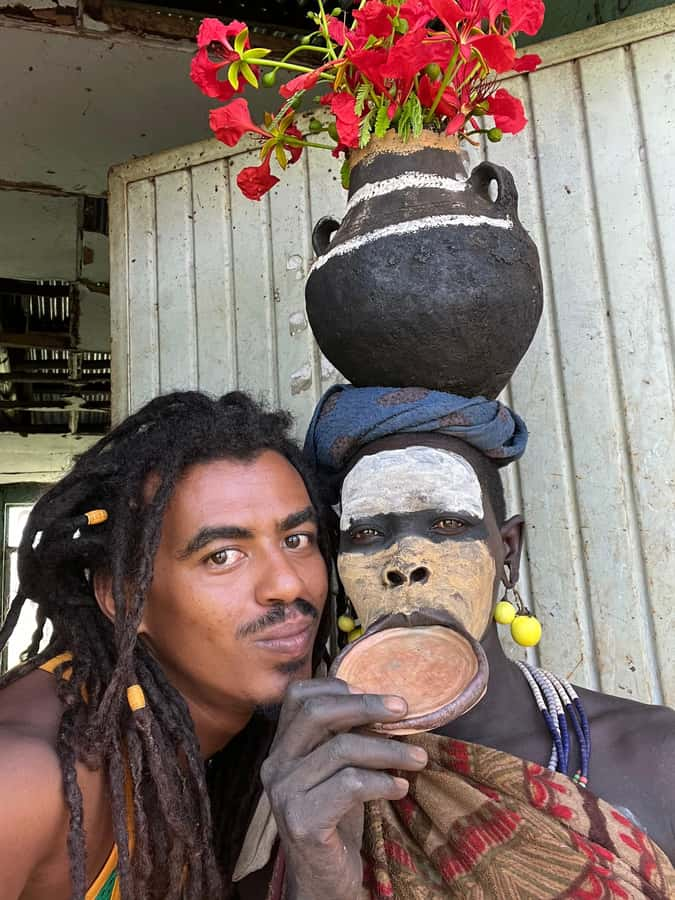
The Mursi are widely known for large lip plates and ear-lobe plates. These forms of adornment carry cultural meaning and should not be reduced to a strange-photo stop. A good visit gives you space to ask questions through your guide and to see the community as more than one famous visual feature.
The supplied program also describes Mursi cattle practices, including drawing blood from a cow without killing it and using traditional treatment to help the wound heal. This detail connects the visit to the central role of cattle in Omo Valley life. You may see a man taking blood from his own cow as food, but do not treat this as guaranteed entertainment or a staged demonstration.
Mago National Park entry and a local scout are included. The tour also lists entry to Nech Sar National Park and Omo National Park, although the three-day sample plan specifically describes Mago. Ask which parks are included in your chosen route, especially if you book a two-day version.
What Kali and Elias add to the trip
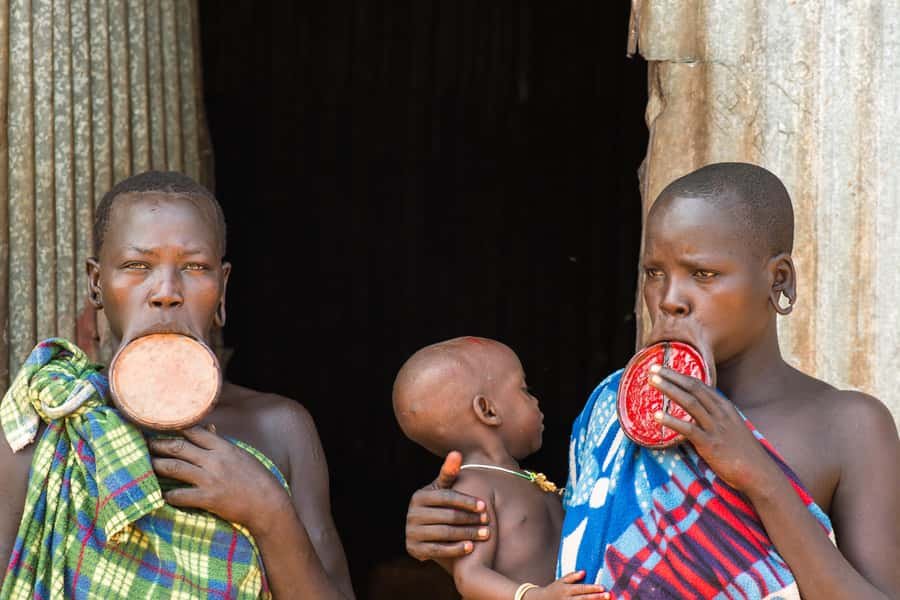
A guide can make or break an Omo Valley visit. Kali is described as an easygoing guide with strong knowledge of the tribes, the region, environmental care, and animal welfare. He is also willing to shape the trip around individual needs and interests.
That flexibility matters here. Ceremony dates, market days, road conditions, and village access can affect the plan. A fixed sightseeing checklist is less useful than a guide who can explain why a stop matters and adjust the day when local conditions change.
Elias is the driver named for the three-day program. The combination of Kali’s cultural guidance and Elias’s driving gives you two clear points of contact during long road sections. The vehicle is described as comfortable, though comfort in the Omo Valley still means accepting rougher travel than you would find on a standard city tour.
The operator offers English, Amharic, Arabic, Chinese, Dutch, French, Italian, Japanese, and Spanish support. Confirm who will provide your language before paying, since the activity information lists language availability but does not explain whether every language is offered on every departure.
Lodging, food, and what the $500 includes

The $500 price includes hotel pickup and drop-off, airport transfers from Jinka, local guides, village entry tickets, national park fees, a park scout, three meals a day, unlimited mineral water, the Omo River boat crossing, lodges or hotels, and camping materials and fees.
That is a solid bundle for a remote-area trip. Meals and water are particularly useful because you do not have to manage food stops throughout the road days. Park fees, local guides, the scout, and the boat crossing also prevent several small charges from accumulating.
Accommodation varies. The Hamar night may be camping or an eco-lodge, while other nights use lodges or hotels. Ask exactly where you will sleep, what facilities are available, and how many nights are included in your chosen duration. The standard plan gives you two nights, one near Turmi and one in Jinka.
Alcoholic drinks are not included. Bring some cash for personal spending, tips, or market purchases, since the package does not cover every optional expense.
The pace, group size, and physical demands
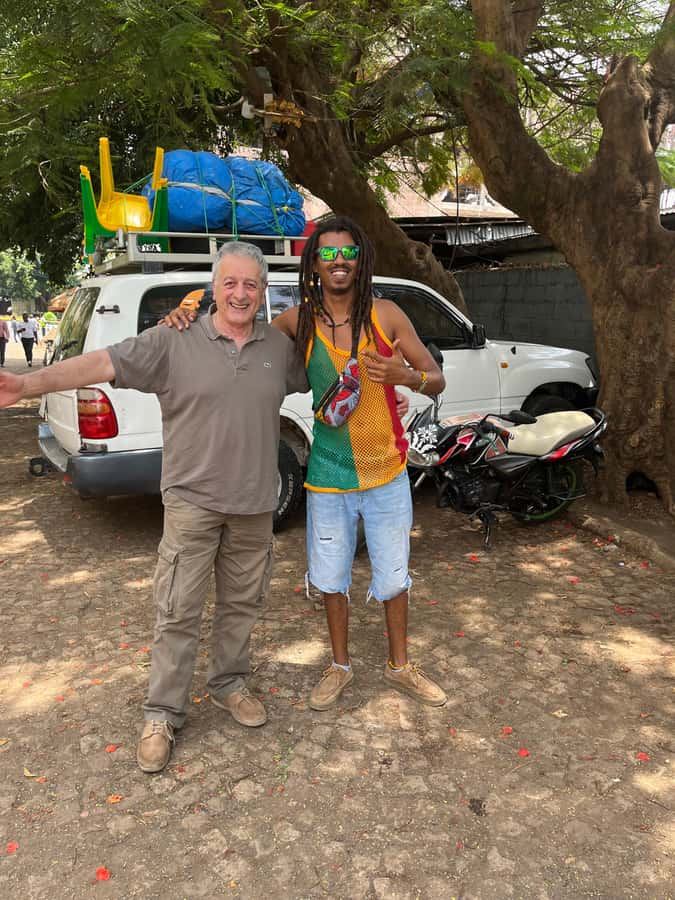
You can book a private or small group tour, with group sizes listed from one to twenty people. I would choose a private or small group if your budget allows. It gives you more control over photo stops, questions, meal timing, and the balance between villages, markets, and driving.
The tour is listed as wheelchair accessible, but the description does not explain how village paths, camping, boats, or park roads are adapted. If you use a wheelchair, ask specific questions before booking rather than relying on the general accessibility label.
Pregnant women are advised not to join. Even for other visitors, the trip can be tiring because of long drives, changing road conditions, camping, and remote stops. You do not need to be an athlete, but you do need patience and comfort with basic conditions.
The operator offers free cancellation up to 24 hours before departure and allows you to reserve now and pay later. Those terms give you some flexibility, but confirm the exact conditions for your booking and chosen duration.
Who will enjoy this Omo Valley trip most
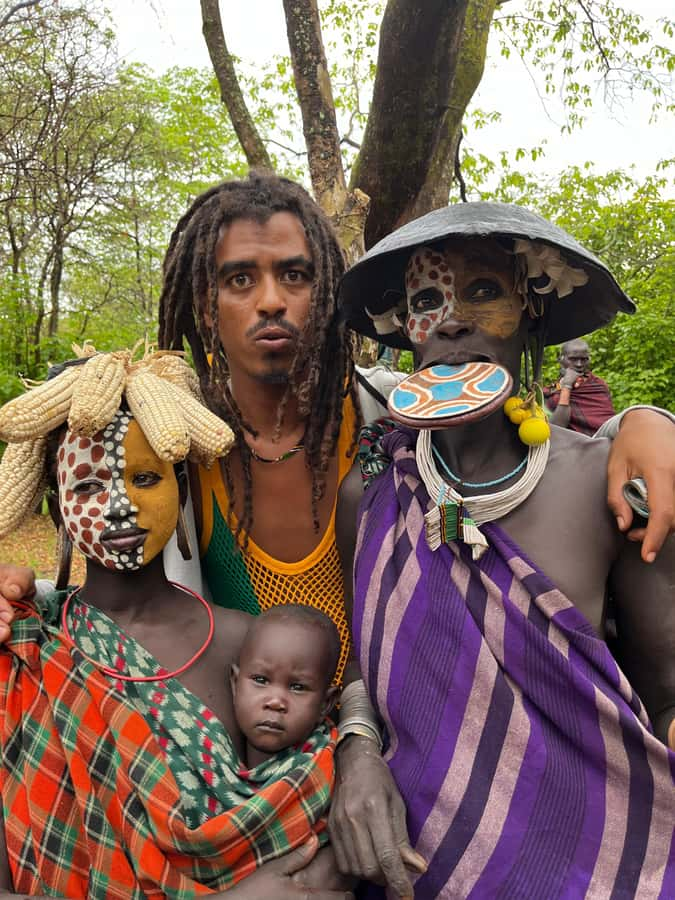
I would recommend this tour to you if you want close cultural contact, are willing to travel slowly, and care more about local life than polished attractions. Photographers may find the Hamar, Karo, market, and Mursi visits especially rewarding, but photography needs to be handled with permission and restraint.
It also suits first-time visitors who want the main Omo Valley communities without arranging every vehicle, park fee, meal, and accommodation separately. Families may prefer a private format, though the operator does not provide a specific minimum age or child policy in the supplied information.
You may want a longer trip if you dislike rushing. Three days can include Hamar, Karo, Dimeka, and Mursi, but it leaves little room for delays or repeat visits. A four to seven day plan should give you more breathing room, though the exact added stops must be agreed with the operator.
Should you book it?
Book this Omo Valley tour if you want a practical, guide-led introduction to southern Ethiopia and you accept that authentic cultural travel can be tiring, unpredictable, and sensitive. The package gives good value at $500, particularly because meals, water, lodging, park access, local guides, a scout, and the river crossing are included.
Before you commit, confirm three things: your exact route, the Hamar ceremony and Dimeka market dates, and the overnight setup. Choose the short trip for a concentrated first look. Choose a longer private plan if you want more time with communities and less pressure on each road day.
FAQ
How long does the Omo Valley tour last?
The tour can last from 2 to 7 days. A sample route takes 3 days and 2 nights, while longer private trips can be arranged according to your time and budget.
What is the price?
The listed price is $500 per person. Confirm the final cost for your selected duration and group arrangement before booking.
Where does the standard three-day tour begin and end?
The standard route begins with pickup in Jinka and ends in Jinka on the last day. The operator can also arrange pickup from Addis Ababa, Arba Minch, Mekelle, or Semera.
Which communities can I visit?
The route can include Hamar, Karo, Mursi, Bana, Tsemay, Dassanech, and Ari communities, depending on the selected plan and local timing. The sample three-day route specifically includes Hamar, Karo, and Mursi, plus the Dimeka market.
Is the Dimeka market visited every day?
No. The Dimeka market visit is planned for Saturday. Several communities come to this weekly market, including Hamar, Bana, Karo, Dassanech, and Tsemay people.
Are meals and accommodation included?
Yes. The package includes three meals a day, unlimited mineral water, lodges or hotels, and camping materials and camping fees. The Hamar overnight may be camping or an eco-lodge.
Is transportation included?
Yes. Hotel pickup and drop-off, Jinka airport transfers, vehicle transportation, and the Omo River boat crossing are included. Pickup can also be arranged from several Ethiopian airports.
Can I book a private tour?
Yes. Private and small group options are available, with group sizes listed from one to twenty people. The operator says the route can be adjusted to suit your schedule and budget.
Just added out of Ethiopia
- 2 days Tigray Church★ 5.0 · 3 reviews
- 3 days tour Danakil Depression (Dallol & Erta Ale)★ 4.0 · 5 reviews
- Yod Abyssinia Cultural Night: Dinner, Music, and Dance★ 5.0 · 7 reviews
- The Rock-Hewn Churches of Lalibela: 3 Days / 2 Nights★ 5.0 · 6 reviews
- Trekking in Ethiopia’s Lalibela Wollo Highland 4 Days / 3 Nights★ 5.0 · 6 reviews
- 2 Days Dallol Trip★ 5.0 · 4 reviews
- Lasta Mountains: Highland Eco Trekking Tour in Lalibela★ 5.0 · 4 reviews
- Lalibela churches Guided Tour★ 5.0 · 6 reviews
Omo Valley Tribal Tours, compared.
Lalibela, Axum, Danakil and Omo Valley 8 DAYS
Read our review →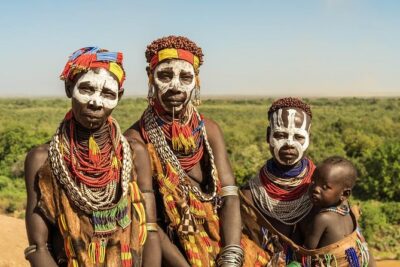


9 Days Tours To Danakil Depression, Simen MNP, Lalibela With Omo Valley Tribes
Read our review →
5 Day Private tour to the Omo Valley Tribes and Adventure Tour
Read our review →
8 Days Lalibela,Danakil Depression and Omo Vally Tours
Read our review →Browse the lists this tour appears in