
Reviewed · OMO VALLEY TRIBAL TOURS
4 Days tour in omo valley.
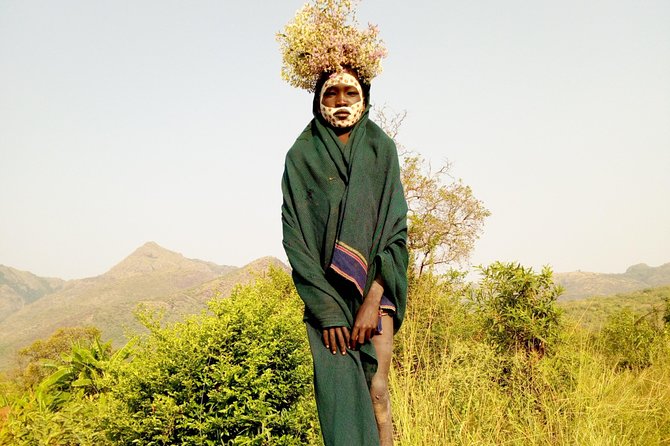
The most memorable part of this four-day Omo Valley trip is the range of communities packed into a short route. You move from Hamer villages near Turmi to Dassanech country at Omorate, then meet Kara communities along the Omo River and Mursi communities inside Mago National Park. The Hamer bull jumping ceremony is the headline event, but the smaller village visits often give you more time to look, listen, and ask questions.
I like the private group size of up to three and the fact that meals, water, soft drinks, transport, rooms, and park or activity fees are included. I also like the practical care built into the trip: guide Banti is noted for quick replies, clear planning, flexibility, and punctuality.
The main point to clarify before paying is the pickup location. The tour information lists Arba Minch Airport as the start, while the first day says pickup from Jinka Airport. The route also includes long drives, with up to nine hours on the road, so this is a cultural road trip, not a relaxed hotel holiday.
Key points before you book

- Hamer country near Turmi: Meet a Hamer community and stay two nights in Turmi, giving the first part of the trip a useful home base.
- Bull jumping in the Hamer area: The ceremony is planned for the second afternoon, but ask how its timing is confirmed for your date.
- Four distinct cultural stops: The route includes Hamer, Dassenech, Kara, and Mursi communities, each with different customs and visual traditions.
- Kara body painting and the Omo River: Day three combines a village visit with a stop by the Omo River and a visit to Jinka’s Ethnographic Museum.
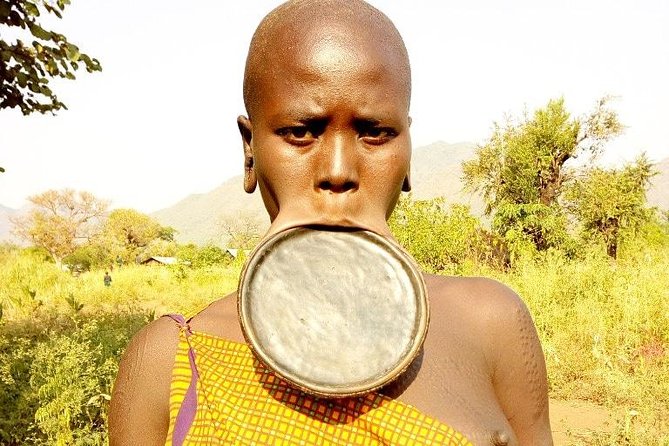
- Mursi and Mago National Park: The final morning crosses Mago National Park to reach Mursi communities known for lip plates.
- Private value for a small party: At $1,550 per group of up to three, the cost works best when shared by three people.
Four days through the Omo Valley
This is a compact introduction to one of southern Ethiopia’s best-known cultural regions. You are not simply checking off viewpoints. You spend time moving between communities with different languages, dress, ceremonies, and artistic customs.
The route begins around Turmi and ends at Jinka Airport. That makes the trip useful if you want to connect it with flights in and out of the region, but the airport details need sorting out before departure. The stated meeting point is Arba Minch Airport, while day one describes a pickup at Jinka Airport. Ask the operator which airport is correct for your booking and whether any transfer between Arba Minch and Jinka is included.
The trip is private, with a maximum of three people. That is a real advantage here. A small group means less waiting when stopping in villages and more room to discuss what you are seeing with your guide. The listed guide, Banti, has been praised for prompt messages, clear arrangements, flexibility, and arriving on time. If Banti is not your assigned guide, request the name of your guide before you go.
Other trips south from Ethiopia:
- 6 Days Omo Valley Tribes Tours From Addis Ababa
★ 5.0 · 33 reviews - Lalibela, Axum, Danakil and Omo Valley 8 DAYS
★ 5.0 · 29 reviews - 3 Days Omo Valley Tour
★ 5.0 · 24 reviews
Day one: Hamer villages and a night in Turmi
The first day takes you toward Turmi, with a visit to a Hamer village before spending the night there. The drive is listed at about five hours, so this is mainly an arrival and orientation day.
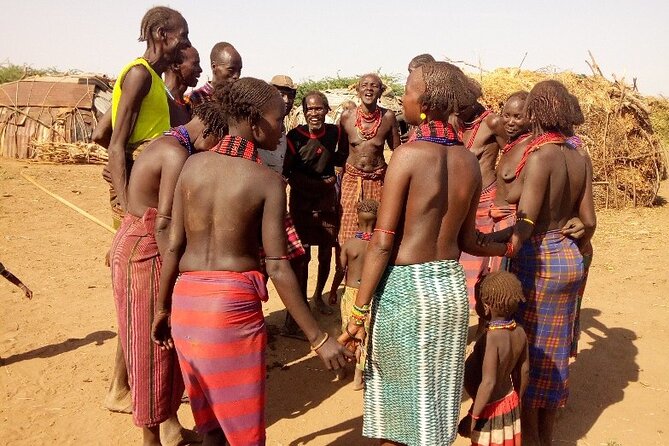
The Hamer visit gives you an early look at the social life of the Omo Valley. A visit to a family or village can be especially meaningful when your guide explains what you are seeing rather than leaving you to stare from the edge. One account of the trip included a visit to a Hamer family hut, along with the chance to see ordinary household life at close range.
You should approach these encounters with patience. Photography may be part of the experience, but you should always ask before taking pictures of people, homes, or ceremonies. A good guide can help you understand when a photograph is welcome and when it is not.
Turmi is the base for the next day, which keeps the route from changing hotels every night. The accommodation is described simply as a bedroom rather than a named hotel or lodge. If room standards matter to you, ask what type of accommodation is planned. The price includes breakfast, lunch, dinner, water, and soft drinks, which removes much of the daily meal planning.
Day two: Dassenech country and Hamer bull jumping
The second day begins with a drive from Turmi to Omorate to visit the Dassenech community. The full day is listed at about eight hours, so expect a long outing with substantial time in the vehicle.
Omorate changes the feel of the trip. After the Hamer area, you see another community with its own customs and setting. The Dassenech visit is not just a second version of the first day. It gives you a chance to compare how different communities in the same broad region live and present their traditions.
In the afternoon, the plan returns to the Turmi area for the Hamer bull jumping ceremony. This is the most distinctive scheduled event on the trip. The ceremony is tied to Hamer coming-of-age tradition and is known for its dramatic public setting. Your guide can help you understand what is happening, but you should remember that this is a community event, not a performance created solely for visitors.
The practical issue is timing. The itinerary places the ceremony on day two, but it does not state how often it takes place or how its date is confirmed. Ask before booking if the ceremony is guaranteed for your departure date. If it depends on local arrangements, treat it as a major possibility rather than the only reason to choose the tour.
You return to Turmi for a second night. That is helpful after a long day and avoids another late transfer. The schedule is full, though, so people who prefer slow mornings and long breaks may find this day tiring.
Day three: Kara body painting, the Omo River, and Jinka
Day three is the longest driving day, listed at about nine hours. You leave Turmi for a Kara village, visit the Omo River area, and then continue to Jinka for the night.
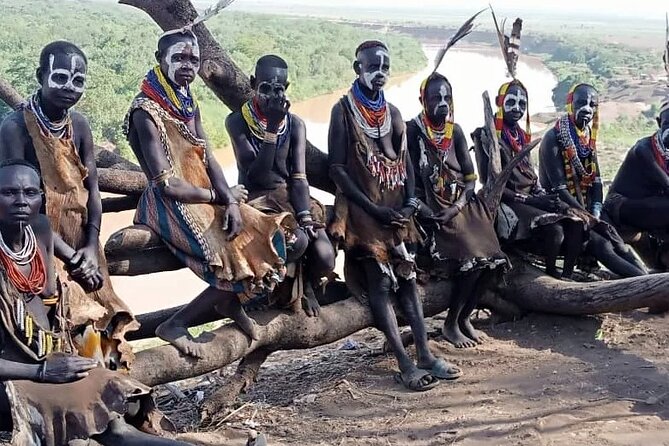
The Kara are known here for body painting, one of the tour’s most striking cultural details. The painted designs are not merely colorful decoration for photographs. They are part of how the community presents identity and style. Your guide’s explanation matters, since the visual element can otherwise distract from the people and meaning behind it.
The Omo River adds a different kind of stop. The itinerary pairs the river with the Kara visit, so you get both a cultural encounter and a sense of the physical route that shapes life in the area. The stop is listed under Omo National Park and River, with admission included.
Later, you visit the Ethnographic Museum in Jinka. This is a smart addition to the route. After seeing communities in person, a museum visit can give you broader context and help connect the different customs you have encountered. It also provides a more structured setting after a day spent on rough roads and village visits.
You sleep in Jinka that night. The town is the final base before the Mursi visit and the airport drop-off. Because the drive is long, keep your expectations realistic. Day three is about covering ground while fitting in several worthwhile stops, not about spending hours at one site.
A few more trips from Ethiopia worth a look
- 4-Day Tour: Tigray Churches & Danakil Depression Adventure.
★ 5.0 · 11 reviews - 4 days semien mountain national park trekking,
★ 5.0 · 11 reviews - Omo Valley 4days 3nights Cultural Tour
★ 5.0 · 7 reviews - Simien Mountains – 4 Days
★ 4.0 · 7 reviews
Day four: Mago National Park and the Mursi
The final morning takes you through Mago National Park to a Mursi community. The scheduled driving and visit time is about four hours, followed by a drop-off at Jinka Airport.
The Mursi are widely known for lip plates, and this is likely to be one of the most visually memorable parts of the trip. The visit is also a chance to see another community with customs distinct from the Hamer, Dassenech, and Kara. As throughout the tour, treat the visit as a meeting with people, not a human display. Ask permission before taking photographs and let your guide set the tone.
Mago National Park gives the morning a wider setting than the village stops alone. Admission is included, and the park route helps explain why this region feels remote and why road travel takes so long. The itinerary does not promise wildlife sightings, so choose this trip for its cultural visits and scenery rather than for a dedicated safari.
The airport drop-off is listed as Jinka Airport. If you are flying onward, confirm the drop-off time against your flight. The tour starts at 8:00 a.m., but the material does not give exact departure times for each morning or a guaranteed arrival time at the airport.
What the $1,550 price really covers
The price is $1,550 per group of up to three people. Shared three ways, that is about $517 per person before airfare. For two people, it works out to $775 per person, and a solo booking pays the full group rate.
That price includes private transportation, a bedroom, all fees and taxes, water, soft drinks, and four breakfasts, four lunches, and four dinners. The inclusion of meals is important in a route with long drives and limited independent planning. You do not need to arrange food at every stop, and you know that the basic daily costs are built in.
Plane tickets are not included. Beer and personal shopping are also excluded. The price therefore makes the most sense if you are already arranging flights into the region and can fill the group with two or three people.
I see the strongest value in the private transport and guide support. This is not a large coach tour where you follow a fixed crowd. You have a small party, a route focused on several communities, and a guide who handles the movement between remote stops.
Still, ask for a clear cost breakdown before you commit. Confirm the airport pickup, the accommodation standard, how the bull jumping ceremony is arranged, and whether any local photography or village fees are extra. The supplied details say all fees and taxes are included, but they do not explain every local payment.
Food, rooms, and road time
All meals are included, which makes the tour easier to manage. Breakfast, lunch, and dinner are listed for all four days, along with water and soft drinks. Beer is not included, so budget separately if you want it.
Accommodation is described only as a bedroom. That tells you a room is provided, but not whether the property is a hotel, guesthouse, or simple lodge. Contact the operator for the names or standards of the overnight places, especially if you need a private bathroom or have strong accommodation preferences.
The driving is a major part of the experience. Day one is about five hours, day two about eight, day three about nine, and day four about four. The distances are part of the Omo Valley experience, but they can make the schedule tiring. Bring water, keep your camera and essentials close, and avoid planning an important same-day connection unless the timing is confirmed carefully.
Who will enjoy this trip most
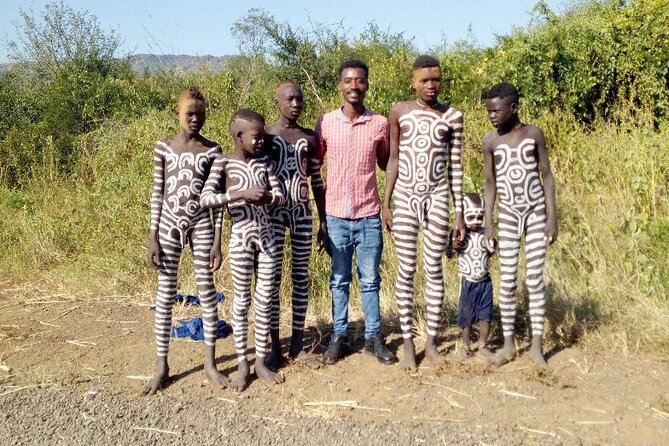
I would choose this tour if you want a focused introduction to several Omo Valley communities and prefer having transport, meals, and a guide arranged together. It suits a couple, a family group of three, or friends who want a private vehicle rather than a large organized tour.
It also suits photographers, since the route includes Hamer ceremonies, Kara body painting, Mursi lip plates, village visits, and time near the Omo River. Photography should remain respectful and permission-based. The chance to take many photographs is part of the appeal, but it should never replace conversation or attention to local customs.
The tour is less suitable if you dislike long road days, want luxury accommodation, or need a fully fixed cultural schedule. The bull jumping ceremony may depend on local timing, and the airport information needs clarification. You should also avoid booking it with a rushed flight connection until the final drop-off time is confirmed.
The activity information says most people can participate, service animals are allowed, and the tour is near public transportation. It does not give details about road conditions, vehicle type, or accessibility at village and park sites, so ask if you have mobility concerns.
Should you book the Omo Valley tour?
Book it if you want a tightly planned, small-group route covering Hamer, Dassenech, Kara, and Mursi communities in four days. The included meals, private transport, guide support, and museum and park visits make the package practical, especially when three people share the price.
Before booking, confirm the correct starting airport, the accommodation, the bull jumping date, and your Jinka Airport drop-off time. If those points are clear, this offers a strong way to see several sides of the Omo Valley without arranging each transfer yourself. If you want slow travel or guaranteed ceremony timing, allow more days and ask for a less compressed plan.
FAQ
Where does the tour start?
The listed meeting point is Arba Minch Airport in Arba Minch, Ethiopia, with an 8:00 a.m. start time. However, day one says pickup from Jinka Airport, so you should confirm the correct airport with Arba Minch Tour And Travel before booking.
Where does the tour end?
The tour ends in Jinka, Ethiopia, with a drop-off at Jinka Airport on day four.
How long is the tour?
The tour lasts approximately four days.
How many people can join?
The maximum group size is three travelers, and the price is $1,550 per group of up to three.
Are meals included?
Yes. Breakfast, lunch, and dinner are included for all four days. Water and soft drinks are also included.
Are flights included?
No. Plane tickets are not included in the tour price.
Which communities will I visit?
The route includes Hamer, Dassenech, Kara, and Mursi communities.
Is the bull jumping ceremony guaranteed?
The itinerary schedules a Hamer bull jumping ceremony on the afternoon of day two, but the provided details do not state that the event is guaranteed for every date. Confirm its availability before booking.
Can I cancel for a full refund?
Yes. You can cancel at least 24 hours before the experience start time for a full refund. Cancellations or changes made within 24 hours are not refunded or accepted, and the local cut-off time applies.
Just added out of Ethiopia
- 2 days Tigray Church★ 5.0 · 3 reviews
- 3 days tour Danakil Depression (Dallol & Erta Ale)★ 4.0 · 5 reviews
- Yod Abyssinia Cultural Night: Dinner, Music, and Dance★ 5.0 · 7 reviews
- The Rock-Hewn Churches of Lalibela: 3 Days / 2 Nights★ 5.0 · 6 reviews
- Trekking in Ethiopia’s Lalibela Wollo Highland 4 Days / 3 Nights★ 5.0 · 6 reviews
- 2 Days Dallol Trip★ 5.0 · 4 reviews
- Lalibela Backpacker tours★ 5.0 · 6 reviews
- Lasta Mountains: Highland Eco Trekking Tour in Lalibela★ 5.0 · 4 reviews
Omo Valley Tribal Tours, compared.
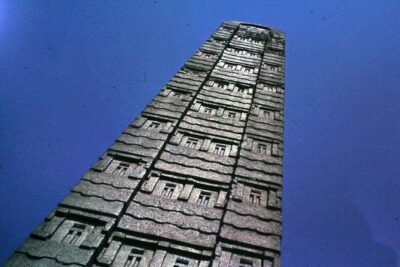
Lalibela, Axum, Danakil and Omo Valley 8 DAYS
Read our review →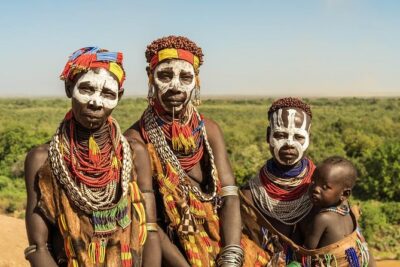
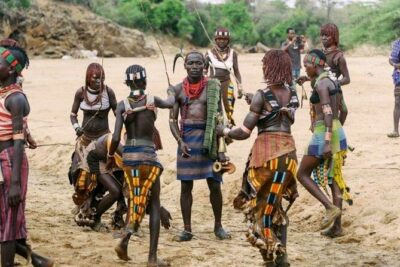

9 Days Tours To Danakil Depression, Simen MNP, Lalibela With Omo Valley Tribes
Read our review →
5 Day Private tour to the Omo Valley Tribes and Adventure Tour
Read our review →
8 Days Lalibela,Danakil Depression and Omo Vally Tours
Read our review →Browse the lists this tour appears in