
Reviewed · ROCK-HEWN CHURCH TOURS
Trekking in Ethiopia’s Lalibela Wollo Highland 4 Days / 3 Nights
The best part of this trek is that it takes you beyond Lalibela’s rock-hewn churches and into the working countryside of the Wollo Highlands. You walk between rural communities, sleep in community guesthouses, meet local people, and see the high plateaus from a much closer range than you can from a vehicle.
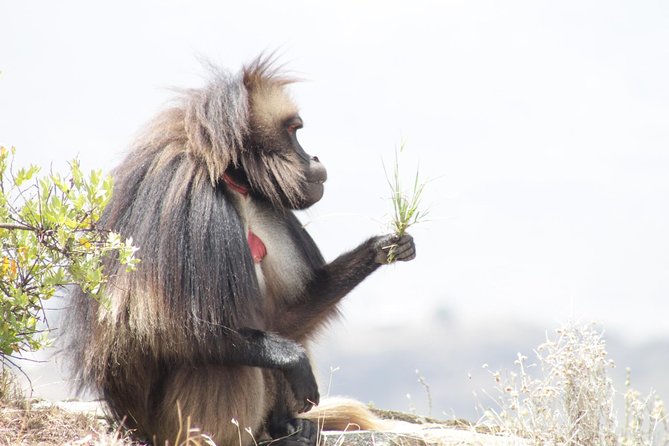
I like the small private format, which lets guide Maereg shape the pace around your group. I also like the chance to see Gelada baboons and highland birds near Meskel, rather than treating the mountains as scenery viewed through a car window.
The main consideration is physical: this is a genuine four-day hike with several three-hour walking sections, high-altitude terrain, and basic lodging. The final day’s detailed route is not provided, so ask for the complete day-four plan before you pay.
Key points to know before booking
- Mekuat Maryam reaches 2,820 meters, giving you a real highland walk on the first afternoon.
- Meskel is the wildlife stop, with opportunities to see Gelada baboons and different bird species.
- Community guesthouses shape the trip, offering a more direct connection with local village life.
- Wajela is known for Acacia woodland, adding a change of scenery after the open plateau.
- The walking is split into three-hour sections, with lunch breaks that make the days more manageable.
- The $500 price includes meals, snacks, and private transport, but not bottled water or alcoholic drinks.
Leaving Lalibela for Flakit and Mekuat Maryam
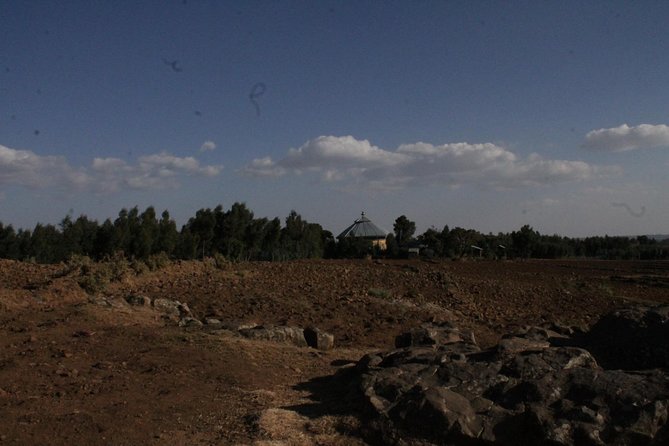
Your day begins with breakfast in Lalibela, followed by a private two-hour drive to Flakit. The listed start time is 10:00 a.m., so confirm the exact pickup point and timing with Extraordinary Ethiopia Tours before departure. The stated meeting point is Lalibela Airport in Girany Amba, and the trip finishes back there.
From Flakit, you drive onward to Warkahye for lunch. After eating, you hike for about three hours to Mekuat Maryam, the first overnight stop. The route leads to a site set on a promontory of the plateau at 2,820 meters above sea level.
That altitude matters. Even if you are used to walking, a high plateau can make ordinary slopes feel harder. I would keep your first afternoon steady rather than racing ahead. Drink regularly, take short breaks, and carry only what you need for the day.
Mekuat Maryam is not simply a place to sleep. It gives you an early look at the structure of the trip: walking from one rural community to another, with the guesthouse forming part of the local economy. Dinner is served at the community guesthouse, where the setting is likely to feel far more basic than a Lalibela hotel.
Food on the trek is described as simple. That is part of the experience, but it is also worth keeping expectations sensible. You are paying for access to a remote walking route and community-based stays, not for restaurant-style meals or polished resort service.
Other church trips from Lalibela:
- Visiting Lalibela churches
★ 5.0 · 40 reviews - Visit the rock hewn churches
★ 5.0 · 39 reviews - Tour 11 monolithic rock churches & museum in Lalibela & cave church with mummies
★ 5.0 · 37 reviews
Three hours to Meskel and a chance to see Geladas
Day two begins with breakfast at the Mekuat community guesthouse. You then hike for about three hours to Meskel, one of the most appealing sections for anyone interested in Ethiopia’s highland wildlife.
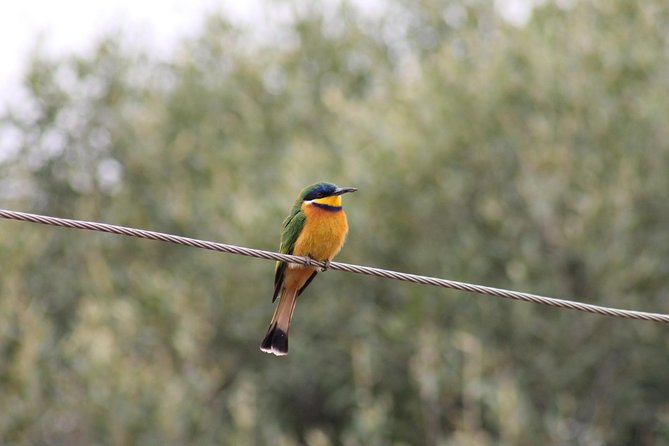
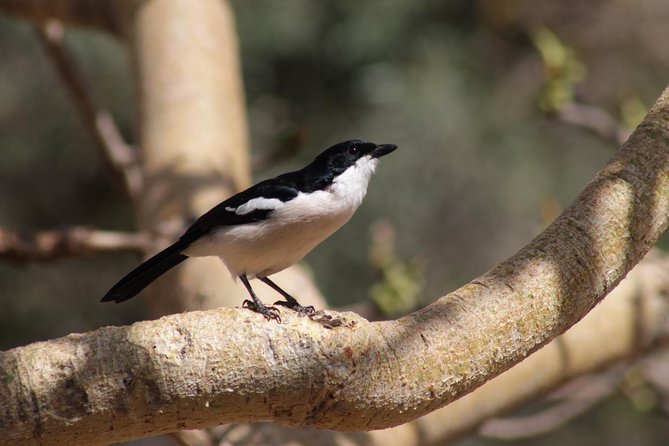
Meskel is noted for different types of birds and for the Ethiopian endemic Gelada baboon. Geladas are one of the memorable animals associated with Ethiopia’s high plateaus, and seeing them gives this walk a purpose beyond reaching the next village. Wildlife is never guaranteed, so approach this as a good opportunity rather than a promise of a close encounter.
Lunch at Meskel breaks up the morning hike. Afterward, you continue for about two and a half hours to Wajela. This is a slightly shorter walking section than the morning, though the overall day still asks for several hours on foot.
Wajela is noted for its beautiful Acacia trees. That change in vegetation should make the afternoon feel different from the open plateau around Mekuat Maryam. It also gives you a chance to slow down and pay attention to the details of rural life, including the way people use the land and move between communities.
Dinner is at Wajela. The overnight stay is again in a community guesthouse, so you should be comfortable with modest facilities and a social setting. If you prefer private bathrooms, hotel bedding, and predictable amenities each night, this tour may feel demanding. If you value local contact more than comfort, the arrangement makes good sense.
Wajela to Gala Dejen and Aterow
After breakfast at the Wajela community guesthouse, you hike for about three hours to Gala Dejen. The schedule gives you time to focus on the route rather than treating the day as a race.
Lunch at Gala Dejen is followed by another three-hour hike to Aterow. That makes day three one of the longer walking days, with roughly six hours of hiking separated by a meal break. You should expect tired legs by the end of it.
The supplied route details stop after the mention of Aterow, even though the full experience lasts four days and three nights. That is the one important gap in the information available for booking. Before committing, ask exactly where you sleep on the third night, what happens on day four, how you return to Lalibela, and whether the final day includes more hiking or vehicle transport.
That missing detail does not make the trek a poor choice. It simply means you should not rely on a short description when planning luggage, footwear, water, or your return schedule. A clear day-four plan is especially important if you have a flight or another tour soon after.
Community guesthouses and the value of local contact
The guesthouses are central to the character of this experience. You are not returning to Lalibela each evening. Instead, you sleep in the communities along the route, eat there, and experience a small part of daily life in the Wollo Highlands.
That arrangement can bring real value to a trip. Your money is connected to local hosting, meals, and services rather than being spent only in a tourist center. You also get a better sense of how rural communities relate to the land, the highland paths, and one another.
The tradeoff is comfort. The accommodation is described as community guesthouse lodging, not as a hotel. Bring a flexible attitude and avoid expecting the same facilities you have in Lalibela. A small personal kit with toiletries, a light towel, and any medication you need is sensible, although the exact facilities are not specified.
Guide Maereg is an important part of the experience. The tour’s feedback repeatedly praises his friendliness, cultural explanations, and ability to answer questions about Ethiopia. That matters on a walk through villages, where context can turn a passing view into something meaningful.
You will likely get more from the trek if you ask questions as you go. Ask about village life, local customs, farming, the communities you pass, and the history of the Wollo area. The trip is strongest when you treat Maereg as a guide to both the route and the people who live along it.
A few more trips from Lalibela worth a look
- 3-days Scheduled Lalibela Churches & Abune Yosef Trekking
★ 5.0 · 7 reviews - Day Hike Around Lalibela
★ 5.0 · 5 reviews - Lasta Mountains: Highland Eco Trekking Tour in Lalibela
★ 5.0 · 4 reviews - Lalibela 2-Day Eco Trekking Tour
★ 5.0 · 3 reviews
What the $500 price covers
The listed price is $500 per person. It includes breakfast, lunch, dinner, snacks, and private transportation. Since this is a private activity, only your group participates, which is useful if you want control over pace, stops, and conversation with your guide.
For four days and three nights, the price can represent solid value if you want a guided highland trek with food and transport arranged. You are also paying for a route that reaches remote communities rather than simply taking you between major sightseeing sites.
The value depends on what you want from Ethiopia. If your main goal is the rock-hewn churches, you can see those separately in Lalibela without adding a four-day trek. If you want mountain scenery, village contact, wildlife, and a slower view of the region, this trip adds something very different.
Bottled water and alcoholic drinks are not included. Plan for water costs and ask how water is handled along the route. The absence of bottled water is not unusual for a walking trip, but it is an important practical detail. Do not assume you can buy your preferred brand at every stop.
Snacks are included, which helps during the longer walking sections. Still, if you have dietary needs or rely on particular energy foods, confirm the meal arrangements before leaving Lalibela. The information provided does not specify vegetarian, vegan, gluten-free, or allergy-friendly options.
Fitness, timing, and what to pack
Most travelers can participate, but the schedule is not a gentle sightseeing stroll. Day one includes about three hours of hiking after the drive. Day two has three hours to Meskel and another two and a half to Wajela. Day three has two separate three-hour sections.
You do not need to be an elite hiker based on the information provided, but you should be comfortable walking for several hours on consecutive days. The altitude at Mekuat Maryam adds another challenge. Good walking shoes, sun protection, a daypack, and layers are sensible choices.
The experience requires good weather. If poor weather causes cancellation, you are offered a different date or a full refund. That policy recognizes the practical limits of hiking in highland conditions.
Because the route passes through rural areas, pack with self-reliance in mind. Bring any personal medication, basic toiletries, a refillable water container, and enough clothing for cool evenings. The tour includes meals and snacks, but the exact packing list and sleeping arrangements are not provided, so ask the operator for those details.
The start time is 10:00 a.m., and private transport is included. That makes the first transfer simpler than arranging your own vehicle to Flakit. Since the trip ends back at the meeting point, it also gives you a clear return location, though the arrival time is not stated.
Who will enjoy this trek most
I would recommend this experience to you if you want to combine Lalibela with a physical, community-focused trip. It suits people who enjoy walking from place to place, eating simple meals, and learning through ordinary encounters rather than only visiting formal attractions.
It is also a good fit if wildlife interests you. The chance to look for Gelada baboons and highland birds near Meskel adds a natural-history element that you will not get from a church-focused visit alone.
The trip may be less suitable if you need a fixed luxury standard or a tightly detailed schedule. The guesthouses are community-based, the food is simple, and the full day-four route needs clarification. Families and older participants should judge the walking carefully, even though most people can participate according to the tour information.
A private group can make the difference. With only your own party taking part, you can ask Maereg to explain local life in more detail and discuss the pace with him. That flexibility is harder to get on a large group departure.
Should you book the Wollo Highlands trek?
Book it if your ideal Ethiopia trip includes rural contact, highland walking, wildlife, and community stays. The route gives you a side of the Lalibela area that a church visit cannot provide, and the $500 fee includes the main meals, snacks, and private transport needed for a four-day experience.
Before booking, get the missing day-four details in writing. Confirm the overnight locations, return timing, water arrangements, and what facilities are available at the guesthouses. If you are happy with basic lodging and several hours of walking each day, this is a strong choice for seeing the Wollo Highlands at ground level.
If you want an easy add-on with hotel comfort, skip it. This is a real trek, and its appeal comes from the effort, the communities, and the slower pace.
FAQ
Where does the trek start?
The meeting point is Lalibela Airport, listed at XXHM+6MG, Girany Amba, Ethiopia. The scheduled start time is 10:00 a.m.
How long is the experience?
The trip lasts four days and three nights.
What accommodation is provided?
The route includes stays at community guesthouses, including guesthouses at Mekuat and Wajela. The available information does not specify the facilities or the exact accommodation for every night.
Is transportation included?
Yes. Private transportation is included, including the drive from Lalibela toward the trekking route. The activity ends back at the meeting point.
Is bottled water included?
No. Bottled water is not included. Alcoholic beverages are also excluded.
Can I cancel for a full refund?
Yes, if you cancel at least 24 hours before the local start time. Cancellations made within 24 hours are not refunded, and changes during that period are not accepted. If bad weather causes the tour to be canceled, you can choose another date or receive a full refund.
More 4-Day Experiences in Lalibela
- 4-Day Tour: Tigray Churches & Danakil Depression Adventure.
★ 5.0 · 11 reviews - 4 days semien mountain national park trekking,
★ 5.0 · 11 reviews - Omo Valley 4days 3nights Cultural Tour
★ 5.0 · 7 reviews - 4 Days Trekking to Simien Mountain National Park
★ 5.0 · 7 reviews
Just added out of Lalibela
- The Rock-Hewn Churches of Lalibela: 3 Days / 2 Nights★ 5.0 · 6 reviews
- Lalibela Backpacker tours★ 5.0 · 6 reviews
- Lasta Mountains: Highland Eco Trekking Tour in Lalibela★ 5.0 · 4 reviews
- Lalibela churches Guided Tour★ 5.0 · 6 reviews
- Full Day Tour in Lalibela★ 5.0 · 3 reviews
- Lalibela 2-Day Eco Trekking Tour★ 5.0 · 3 reviews
- Lalibela Churches Day Tour★ 5.0 · 7 reviews
- 3 Days 2 nights Lalibela & Yemrehana Krestos seightseeeing tour★ 5.0 · 6 reviews
Rock-Hewn Church Tours, compared.

12 Days SIMIEN MOUNTAIN-LALIBELA-DANAKIL-TIGRAY CHURCHES
Read our review →
Tour 11 monolithic rock churches & museum in Lalibela & cave church with mummies
Read our review →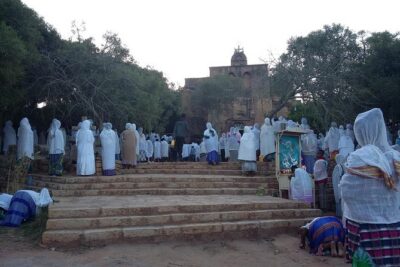
Ethiopia Tigray Tours: Guided tour of Tigray rock hewn churches
Read our review →
5 DAYS Lalibela, Axum, Tigray churches and Danakil
Read our review →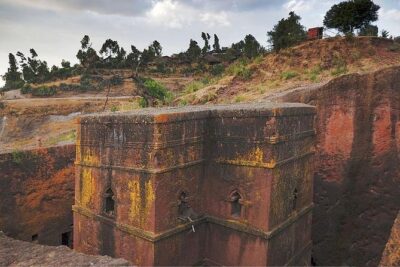
6 Days tour Package (Simien Mountains, Lalibela, and Danakil Depression)
Read our review →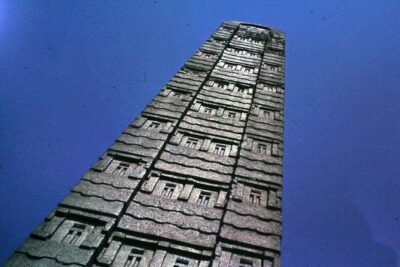
Lalibela, Axum, Danakil and Omo Valley 8 DAYS
Read our review →Browse the lists this tour appears in