
Reviewed · ROCK-HEWN CHURCH TOURS
3-days Scheduled Lalibela Churches & Abune Yosef Trekking
The best part of this three-day trip is the change of pace: you leave Lalibela’s famous churches behind and walk into highland village life, where a coffee ceremony, simple huts, grazing animals, and broad mountain views become the main attractions. I especially like the community-based approach and the chance to see gelada baboons in their natural setting. The main caution is the altitude and the long second day, which covers more than 18 kilometers and reaches about 4,200 meters.
I also like that the churches are not treated as a quick sightseeing stop. You visit them after walking through the mountains, so Lalibela’s stone-cut sanctuaries feel like part of a larger Ethiopian story. Still, this is a basic mountain stay, not a polished lodge holiday. Bring warm clothing, prepare for simple sleeping conditions, and take the pace slowly.
Key details of the Abune Yosef trek
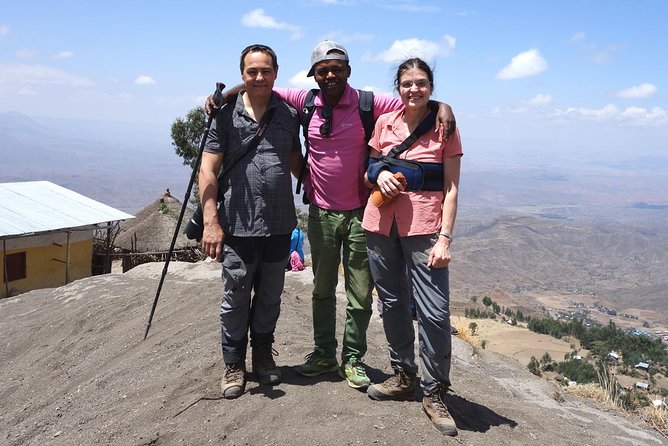
- A 45-kilometer route over three days: The walking is rated easy overall, but the second day is long and high.
- A night in Ade Medhamialem village: You sleep in a local mountain community rather than returning to Lalibela each evening.
- Coffee ceremony and village life: You get a close look at daily routines, local food, and community traditions.
- Gelada baboons and Lammergeier sightings: The highlands offer a chance to see Ethiopia’s distinctive wildlife.
- Lalibela churches included: The final afternoon covers the UNESCO-listed rock-hewn churches, including St. George.
- Small enough to feel personal: Groups are capped at 16 people, with guides and porters helping manage the route and equipment.
Why this trip feels different from a standard Lalibela visit
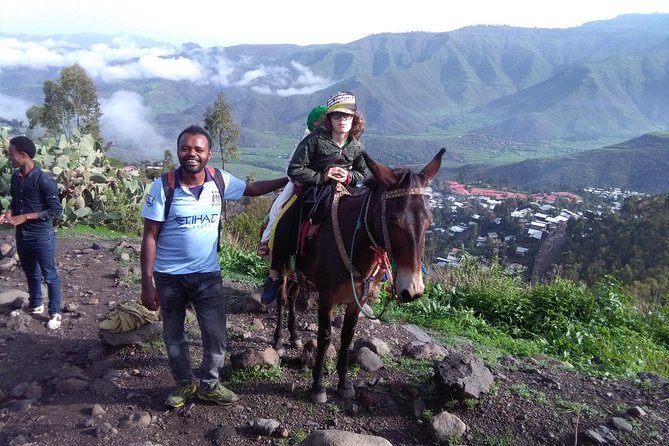
Most visits to Lalibela focus on the town’s remarkable churches. That is understandable. The churches are the headline attraction, and they deserve time. But this tour gives you a fuller picture of the area by linking the historic town with the highlands around it.
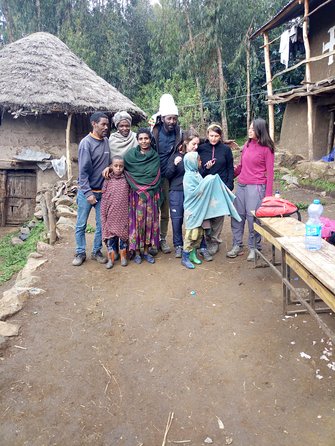
You walk through farming communities, mountain villages, and open upland country. You see how people live away from the main tourist center. The experience is less about checking off monuments and more about noticing the small details: a village coffee ceremony, children at a local school, animals moving through the fields, and the changing view as you gain height.
I like this balance. The churches provide the great historic focus, while the trek gives the visit a human and physical sense of place. The arrangement also directs spending toward local guides, porters, and village communities, which is important in a region where tourism can easily stay concentrated in hotels and town businesses.
The tour costs $350 per person. That price includes a professional guide, porter support, park entry, church entry, bottled water, hotel pickup and drop-off, two breakfasts, two lunches, and two dinners. It also includes the mountain portion and the church visit, so the value is strongest if you want both experiences rather than booking them separately.
You should still check the practical details before paying. The first day’s breakfast is not included, and transportation to and from attractions is listed separately from the included hotel pickup and drop-off. Alcoholic drinks cost extra. These are small points, but they matter when you are planning a remote mountain outing.
Other church trips from Lalibela:
- Visiting Lalibela churches
★ 5.0 · 40 reviews - Visit the rock hewn churches
★ 5.0 · 39 reviews - Tour 11 monolithic rock churches & museum in Lalibela & cave church with mummies
★ 5.0 · 37 reviews
Day one: From Lalibela to Asheton Maryam and Ade Medhamialem
The trip begins with a meeting at the operator’s office in central Lalibela, near the Ethiopian Airlines office. This happens the day before the walk and gives you a chance to confirm the plan, look over the route map, and ask last-minute questions.
At about 7:45 the next morning, the guide and porter meet you at your hotel. Your gear is organized for transport by donkey, and the walk begins from the office area. Hotel pickup is included, which makes the morning easier, though you should have breakfast on your own because the first morning meal is not part of the package.
The first day includes Asheton Maryam Monastery, Ade Medhamialem, Asheton, Hudad, and the approach toward Mount Abune Yosef. Asheton Maryam is a mountain church, and reaching it gives the day an early cultural focus rather than making the walk only about scenery.
The route then carries you into a more rural setting. A coffee ceremony in a mountain village is one of the most memorable parts of the schedule because it is not a staged city attraction. You get a glimpse of a social custom that remains part of everyday Ethiopian life. Coffee is tied to hospitality and conversation, and taking part in the ceremony slows the day down in a good way.
You may also visit a local school during the mountain portion. This is a useful addition because it gives you another view of village life beyond scenery and wildlife. The experience is simple, and that is the point. You are seeing the area through its people and institutions, not only through a guide’s commentary.
The first day lasts about seven hours. Some reports describe it as the toughest day for less experienced hikers, even though the overall grade is listed as easy. That is a useful warning. A moderate fitness level is required, and you should not read easy as flat or effortless.
You spend the night in Ade Medhamialem village. Expect basic conditions rather than hotel comfort. One practical tip is to bring a sleeping bag if you can, while also expecting blankets to be provided. Warm layers are important because highland evenings can feel cold, especially after a day outside.
Day two: The high point at 4,200 meters
The second morning begins after breakfast with a walk toward Tegu Kebele. The route includes views of the Small and Big Ziget mountains before continuing to the summit area of Mount Abune Yosef.
The high point is about 4,200 meters, sometimes described in the tour material as 4,280 meters. Either way, this is serious altitude for a walking trip. The schedule calls for lunch on the mountain top, followed by a return to Ade Medhamialem village.
This is the day to watch your pace. You do not need to race uphill, and you should tell your guide if you feel unwell. The walk is more than 18 kilometers, and the full day can take about 10 hours. That is a demanding outing even for someone who hikes regularly.
The reward is the view. From the high ground, you can look across the valleys and see the relationship between Lalibela, the farming areas, and the mountain communities. The scenery is open and spacious, with simple huts, steep fields, green meadows in suitable seasons, and livestock sharing the same upland environment.
Wildlife is another reason to keep your eyes open. Gelada baboons are a major highlight, and you may see herds moving across the highlands. The area also offers the chance to spot the Lammergeier, one of the largest birds associated with the region. Sightings are never guaranteed, but the route gives you a better chance than a short town visit.
The second day is also where the sustainable tourism claim matters most. Your presence supports a network of local people rather than keeping the whole experience inside Lalibela. Guides such as Sami, Joseph, and Moges have led groups on this route, and the operator’s community focus includes local village stays and support for area residents.
Still, you should keep expectations realistic. This is not a wildlife safari, and the mountain environment is not arranged for easy viewing. You might see baboons, birds, horses, cows, or other animals, but you will also spend long stretches simply walking.
Day three: Returning downhill, then entering Lalibela’s churches
After breakfast, you walk downhill toward Lalibela. The descent changes the feel of the day. It is easier in terms of effort for some people, but downhill walking can still test your knees and legs after two days in the hills.
The walking portion takes place in the morning. After lunch, the focus shifts to Lalibela’s rock-hewn churches. The visit includes the UNESCO World Heritage churches and St. George, the famous cross-shaped church carved down into the rock.
Seeing the churches after the trek is a smart order. You have already encountered the communities and terrain around Lalibela, so the churches feel connected to a living region rather than isolated monuments. The final afternoon lasts about five hours, allowing time for the church visit after returning from the mountains.
You should plan for uneven surfaces and a full day of walking and sightseeing. The church complex is not simply a series of buildings viewed from the outside. You move through carved spaces, courtyards, and stone passages, so comfortable footwear is useful even after the mountain section ends.
The tour ends after the church visit. If you need a specific airport transfer or onward transport, confirm exactly what is covered by the included hotel pickup and drop-off. The supplied information lists airport or departure tax as included but separately notes that transportation to and from attractions is not included.
A few more trips from Lalibela worth a look
- Trekking in Ethiopia’s Lalibela Wollo Highland 4 Days / 3 Nights
★ 5.0 · 6 reviews - Day Hike Around Lalibela
★ 5.0 · 5 reviews - Lasta Mountains: Highland Eco Trekking Tour in Lalibela
★ 5.0 · 4 reviews - Lalibela 2-Day Eco Trekking Tour
★ 5.0 · 3 reviews
Guides, group size, and the personal feel
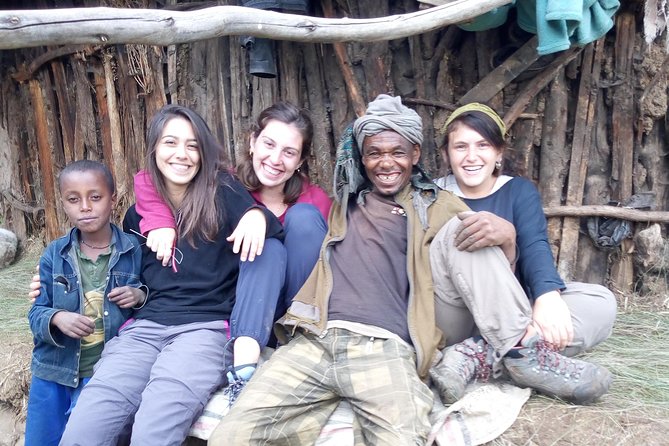
The group limit is 16 people. That is large enough to share the cost of support staff, but small enough for a guide to keep an eye on the group. The walking pace will still depend on the slowest person, so this is not the right choice if you want a private, fast-moving hike.
Several guides connected with the experience are named in past trip accounts, including Sami, Joseph, and Moges. Their role goes beyond pointing out churches. They manage the route, help with the walking pace, explain local customs, and coordinate the village stay and porter support.
That human contact is one of the strongest reasons to choose this trip. You are not simply following a marked path with a printed guide. You are relying on local people to connect the mountain walk, the villages, and the churches.
The experience can also work for a mixed group. A group of architecture students with different fitness levels completed the route with guide support, and the pace was adjusted for the less experienced hikers. That does not remove the physical demands, especially on day two, but it suggests that you do not need to be an expert trekker.
What to pack for the mountain stay
Pack lightly, since a donkey carries the larger load, but bring what you need for changing conditions. The most useful items are:
- Warm layers for the night and high elevation
- A sleeping bag if you have one
- Sturdy walking shoes
- Sun protection and a hat
- A refillable water bottle, even though bottled water is included
- Small personal toiletries and any medication
- A daypack for items you need while walking
The tour operates in all weather. Dress accordingly, and do not rely on a warm town forecast to judge conditions on Mount Abune Yosef. The altitude can make a sunny day feel cold, and weather can change as you gain height.
You should also carry patience. A village stay may be simple, meals may be local, and the timetable can change with walking speed or weather. Those are not flaws for the right person, but they are part of the deal.
Who will get the most from this $350 trip
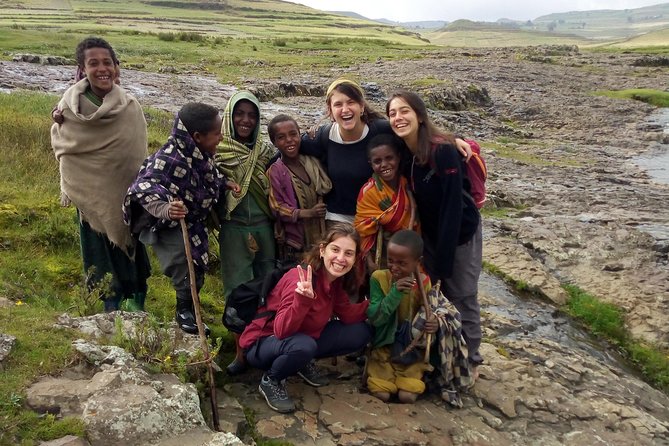
I would choose this tour if you want Lalibela to be more than a church stop. It suits you best if you enjoy walking, local contact, mountain scenery, and basic accommodation. It is also a good choice if you want one organized package that handles a guide, porter, entry fees, meals, and the village stay.
The price is fair when you use most of the inclusions. Church entry and park entry alone remove two costs, while the guide, porter, meals, bottled water, and village arrangements add practical value. The package also saves you from arranging a separate mountain route and negotiating local support on your own.
I would think twice if you dislike early starts, long walking days, high altitude, or simple overnight accommodation. The 18-plus-kilometer second day is the key test. The overall grade says easy, but the length and elevation make the trip more demanding than a casual stroll.
The tour leaves on Mondays and Fridays. It is often booked about eight days ahead, so that gives you a useful planning guide, especially if you are building a tight Ethiopia itinerary. Free cancellation is available up to 24 hours before the start time, but changes or cancellations inside that window are not refunded.
Should you book the Abune Yosef trek?
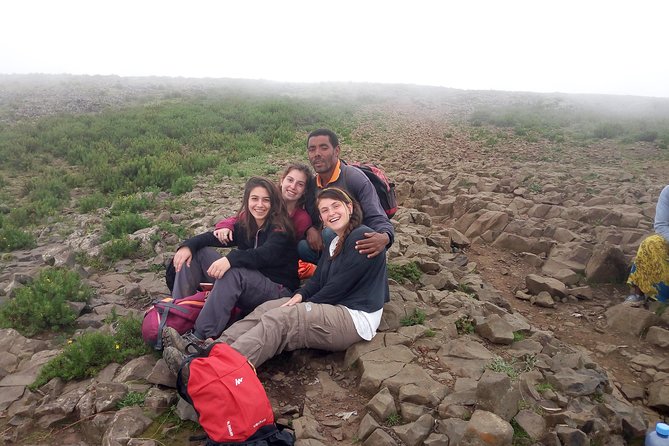
Book it if you want the best mix of Lalibela’s churches and local mountain life. The coffee ceremony, village overnight, gelada baboons, highland views, and visit to St. George give you far more variety than a standard church tour.
Skip it if your priority is comfort or if you are not ready for a long day at altitude. For everyone else, this is a strong three-day introduction to the Lalibela region, with genuine community contact and enough structure to make a remote walk manageable.
FAQ
How long is the tour?
The experience lasts approximately three days, with about 45 kilometers of total trekking.
What days does the tour operate?
Departures are scheduled every Monday and Friday.
What is the highest altitude reached?
The route reaches about 4,200 meters on Mount Abune Yosef. The tour information also gives the maximum altitude as 4,280 meters.
Is the trek difficult?
The route is graded easy overall, but you need a moderate level of physical fitness. The second day is more demanding, covering more than 18 kilometers and lasting about 10 hours.
Where do you sleep?
You spend the night in Ade Medhamialem village. A sleeping bag is recommended if possible, and blankets are provided.
Are meals included?
Two breakfasts, two lunches, and two dinners are included. Breakfast on the first day is not included.
Are the Lalibela church entrance fees included?
Yes. The Lalibela churches entrance fee is included, along with the park entrance fee.
Is hotel pickup included?
Yes. Hotel pickup and drop-off are included. Transportation to and from attractions is listed separately, so confirm the exact arrangements for any additional transfers.
Can you see wildlife on the trek?
You may see gelada baboons and the Lammergeier, along with local farm animals such as horses and cows. Wildlife sightings are not guaranteed.
What happens if you need to cancel?
You can receive a full refund if you cancel at least 24 hours before the experience starts. Cancellations or changes made less than 24 hours before the start time are not accepted for a refund.
Just added out of Lalibela
- Trekking in Ethiopia’s Lalibela Wollo Highland 4 Days / 3 Nights★ 5.0 · 6 reviews
- The Rock-Hewn Churches of Lalibela: 3 Days / 2 Nights★ 5.0 · 6 reviews
- Lasta Mountains: Highland Eco Trekking Tour in Lalibela★ 5.0 · 4 reviews
- Lalibela churches Guided Tour★ 5.0 · 6 reviews
- Lalibela Backpacker tours★ 5.0 · 6 reviews
- Full Day Tour in Lalibela★ 5.0 · 3 reviews
- Lalibela 2-Day Eco Trekking Tour★ 5.0 · 3 reviews
- Lalibela Churches Day Tour★ 5.0 · 7 reviews
Rock-Hewn Church Tours, compared.
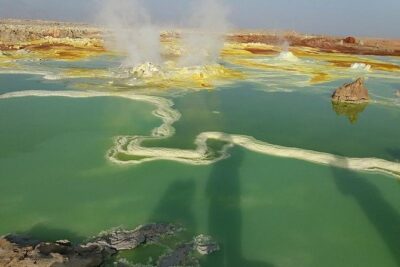
12 Days SIMIEN MOUNTAIN-LALIBELA-DANAKIL-TIGRAY CHURCHES
Read our review →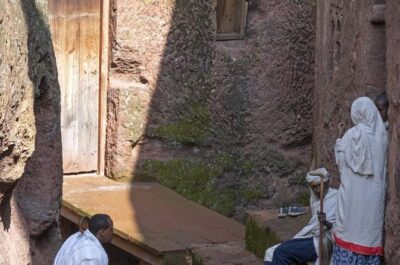
Tour 11 monolithic rock churches & museum in Lalibela & cave church with mummies
Read our review →
Ethiopia Tigray Tours: Guided tour of Tigray rock hewn churches
Read our review →
5 DAYS Lalibela, Axum, Tigray churches and Danakil
Read our review →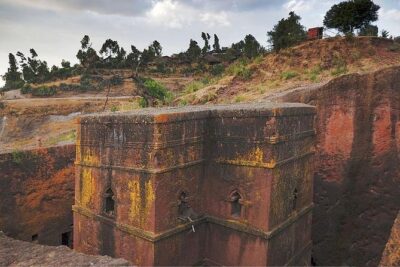
6 Days tour Package (Simien Mountains, Lalibela, and Danakil Depression)
Read our review →
Lalibela, Axum, Danakil and Omo Valley 8 DAYS
Read our review →Browse the lists this tour appears in