
Reviewed · ROCK-HEWN CHURCH TOURS
Lalibela 2-Day Eco Trekking Tour
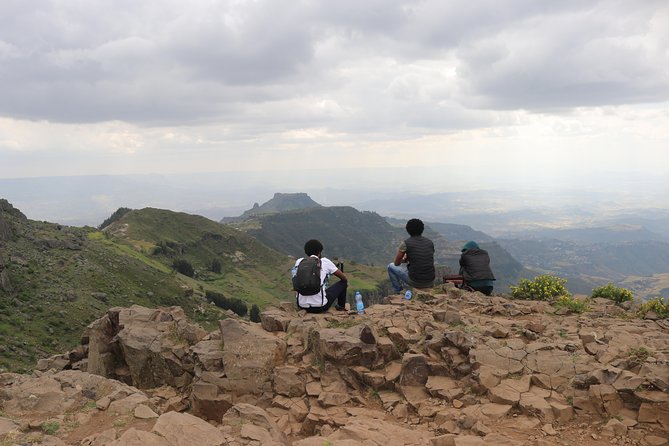
The best part of this tour is that it carries you beyond Lalibela’s famous churches and into the Lasta Mountains, where farming families live at high altitude. You hike to the Atabkit plateau, reach about 3,600 meters, share village life, and sleep in a local home rather than simply ticking off another monument.
I like the chance to meet highlander farmers and take part in ordinary daily work. I also like the practical setup: meals, snacks, water, mule support, accommodation, and luggage storage are covered. The main catch is the moderate-to-demanding hiking, especially at altitude, with the second day lasting about five hours and the walk back to Lalibela taking until around 4 p.m.
Key points before you book
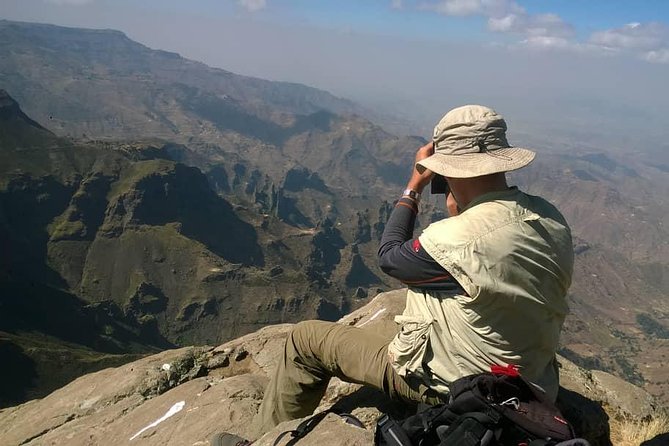
- A real highland route: Walk from Lalibela toward the Atabkit escarpment and views across Wollo, with possible sightlines toward Gondar and Tigray.
- Village overnight: Stay near Astabir in Ad Medhane Alem village and see how a local farming family lives.
- High-altitude hiking: The route reaches about 3,600 meters, so fitness and a sensible pace matter.
- Local guides make the difference: Mareg, Ababa, and Luel have all been praised for strong English, cultural explanations, and personal care.
- Good practical inclusions: Breakfast, two lunches, dinner, snacks, bottled water, hot drinks, accommodation, activities, and a mule are included.
- Private and flexible start: Begin at 7 a.m. from your hotel, the company office, or potentially the airport after arrival.
Why this trek adds something new to Lalibela
Lalibela is famous for its churches cut from solid rock, and you should see those first. The churches are the reason most people come, but the surrounding highlands show you how people live beyond the historic center. This trek changes the rhythm from guided sightseeing to walking, stopping, eating, and talking in rural communities.
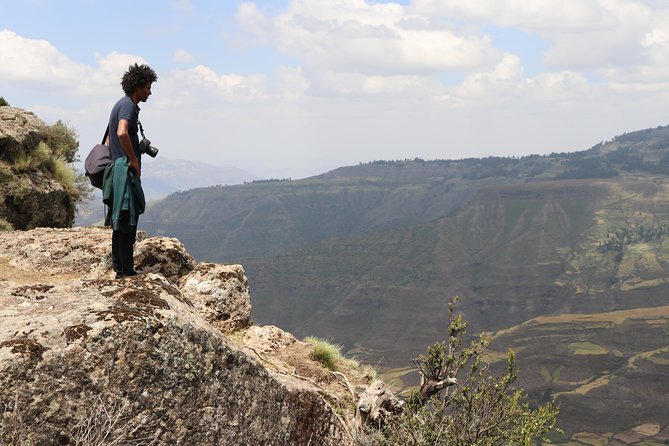
The route heads upward from town toward the escarpment above Lalibela. You will meet local farmers, pass animals and cultivated land, and spend time in a village near Astabir. The point is not speed. It is the gradual change in views, vegetation, altitude, and daily life.
I especially like that the tour includes activities with farmers rather than treating the village as a quick photo stop. The exact work available can depend on the season and the household, but you are given the chance to see and take part in normal village routines.
This is also a private tour. Your own group participates, which gives the guide more room to adjust the pace and explain things properly. That matters on a high route where one person may need more time than another.
Other church trips from Lalibela:
- Visiting Lalibela churches
★ 5.0 · 40 reviews - Visit the rock hewn churches
★ 5.0 · 39 reviews - Tour 11 monolithic rock churches & museum in Lalibela & cave church with mummies
★ 5.0 · 37 reviews
Day one: from Lalibela to Asheton Maryam
Meet your guide around 7 a.m. at your hotel or at the Highland Eco Trekking office. If you arrive by air, the hike can also begin at the airport, provided the arrangements are made in advance. Luggage that you do not need on the trail can be stored safely at the office in Lalibela.
A mule man joins the group, with supplies wrapped and prepared for the journey. This is more than a colorful detail. Mule support means you do not need to carry every meal and overnight item yourself, though you still need a day pack with your personal essentials.
If breakfast at your hotel has been light or rushed, the company can start the day with a filling meal at a local café. Confirm this detail before the hike if it matters to you, since the breakfast arrangement may need to be agreed ahead of time.
The first major stop is Asheton Maryam Monastery. The walk takes you higher into the Lasta Mountains and gives you an early taste of the terrain. The stop is scheduled for about three hours, but the supplied price does not include the monastery church entrance fee.
That separate admission cost is small in the overall context of the trip, but you should carry money for it. The monastery is not just a pause on the way. It adds a religious and cultural layer to the trek, linking the rural route with the sacred places that make Lalibela famous.
The early section may feel more demanding than a town walk. The trip information recommends a moderate level of fitness, and the elevation becomes more important as the day goes on. Wear shoes with a firm grip, keep water close, and avoid treating the first few hours as a casual stroll.
Medhane Alem and the Atabkit plateau at 3,600 meters
After Asheton Maryam, the trail continues farther into the highlands. The vegetation becomes thinner, the views open up, and the route feels more exposed and rugged. At midday, lunch is brought to you by the company cook, freshly prepared along the route.
This is one of the tour’s useful touches. You do not have to return to Lalibela for food or depend on whatever snacks you carried from town. Lunch is part of the day’s plan, and snacks, bottled water, coffee, and tea are also included.
The route reaches Ad Medhane Alem, also called Atabkit, a broad plateau overlooking Lalibela and the Wollo region. On clear days, you may see toward the Gondar area and Tigray. The plateau is also a good place to watch birds using the rising air above the mountains.
At roughly 3,600 meters, this is the point where you need to take the altitude seriously. The tour does not require advanced mountaineering, but high elevation can make a normal uphill walk feel harder. Stop when you need to, drink regularly, and tell your guide if you feel unwell.
You will have a long lunch break on the plateau. That pause is welcome because the route combines distance with altitude, and the views are part of the experience. This is not a tour designed to rush you from one scheduled sight to the next.
After lunch, the walk continues toward Ad Medhane Alem village near Astabir. The timing can vary depending on your pace and stops, but the first day is built around several hours of walking. You should arrive ready to spend the night in a simple rural setting, not a conventional hotel.
An overnight stay with a highland family
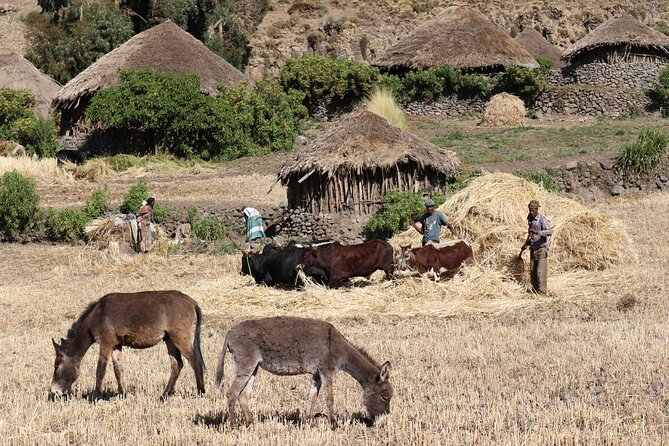
The village stay is the heart of the eco trekking idea. You see a side of Ethiopia that is easy to miss if you stay in town and move only between major sights. The accommodation is with a local family, giving you a direct look at household routines, food, farming, and village life.
The setting is simple. This is not the place to expect hotel-style facilities or a long list of comforts. The value comes from the contact with the household and the chance to see how people manage daily life in the highlands.
Dinner is included, and the company organizes activities with local farmers. You might help with or observe some of the work that shapes village life. The precise activity can vary, so keep an open mind and let your guide explain what is appropriate.
A previous experience with this company also included a school visit, but that is not listed as a guaranteed stop on every departure. Ask ahead if this matters to you. The same applies to particular dishes. The company has indicated that it is willing to add more Ethiopian traditional food, but the exact menu may change.
Good guide work is especially important here. Luel has been singled out for clear English, explanations of local culture, and careful translation with the host family. Mareg has also been praised for making the two-day trek feel personal, while Ababa has been associated with church visits and local introductions.
You can request a preferred guide, but availability is not guaranteed. The important point is that the guide is not only leading the walk. The guide helps explain customs, translates when needed, and makes the village visit respectful on both sides.
A few more trips from Lalibela worth a look
- 3-days Scheduled Lalibela Churches & Abune Yosef Trekking
★ 5.0 · 7 reviews - Trekking in Ethiopia’s Lalibela Wollo Highland 4 Days / 3 Nights
★ 5.0 · 6 reviews - Day Hike Around Lalibela
★ 5.0 · 5 reviews - Lasta Mountains: Highland Eco Trekking Tour in Lalibela
★ 5.0 · 4 reviews
Day two: five hours back toward Lalibela
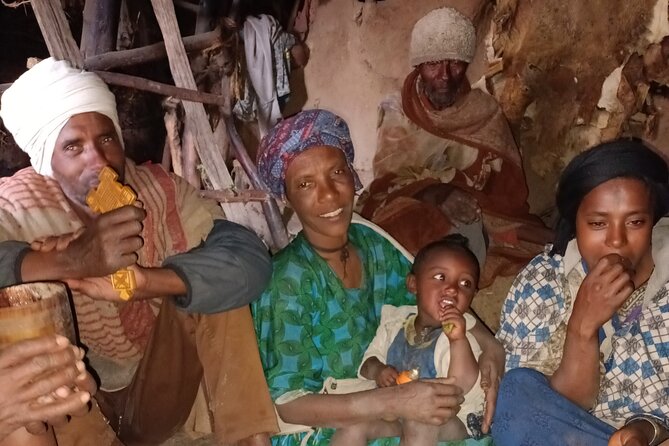
After breakfast, gather your things and begin the walk back toward Lalibela. The second day is listed at about five hours, with arrival in town around 4 p.m. The route includes pauses for views and stops to look at animals along the way.
This return day is less about reaching a new major monument and more about seeing the route differently. You may notice details that passed quickly on the first day, especially if the light has changed or you were focused on reaching the village.
The day still requires steady effort. After the first day’s climb and the overnight stay, your legs may be tired. The return is not an optional short transfer. You are walking back to Lalibela, so this tour suits you best if you genuinely want a trek rather than a rural excursion with minimal hiking.
Plan your onward schedule with care. Reaching town around 4 p.m. leaves part of the afternoon, but it does not make sense to book an important early departure on the same day. The tour duration is approximately two days, and mountain walking does not run on the same clock as city sightseeing.
What the $213.77 price includes
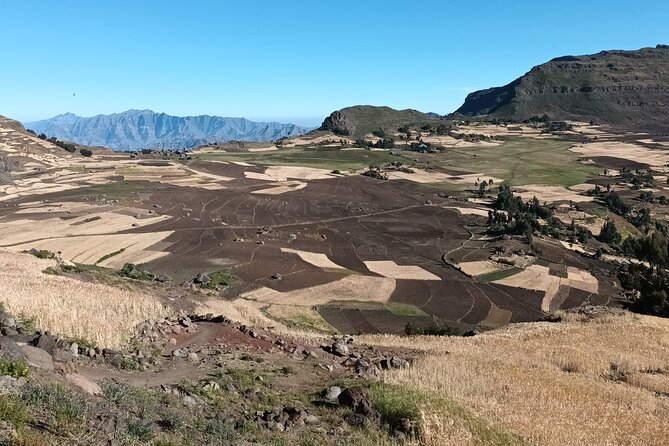
At $213.77 per person, the price is easier to judge when you count what would otherwise need arranging separately. You receive an English-speaking guide, mule support, breakfast, dinner, two lunches, snacks, bottled water, coffee, tea, accommodation, and activities with farmers.
The price also covers the practical benefit of luggage storage in Lalibela. You can carry what you need for the trek without taking every suitcase into the mountains. Pickup is offered, and the walk can begin from your hotel, the company office, or, with prior planning, the airport.
For a private two-day experience with an overnight stay, food, staff, and pack support, the cost is reasonable if the village connection is important to you. You are paying for access and organization as much as transport. The tour creates a bridge between Lalibela’s famous sights and communities that are not set up for ordinary independent sightseeing.
The Asheton Maryam entrance fee is not included. The information provided does not give the exact amount, so confirm it before departure and carry the local payment needed.
Fitness, altitude, and what to pack
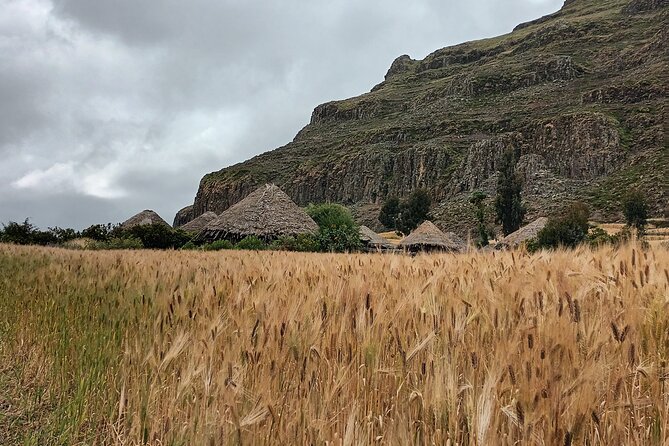
The listed requirement is moderate physical fitness, but the combination of walking time and altitude deserves a clear warning. The route reaches about 3,600 meters, and the first day includes a long ascent into the mountains. You do not need to be an athlete, but you should be comfortable walking for several hours on uneven ground.
Pack light. The mule carries tour supplies, but you still need personal basics such as warm layers, sturdy footwear, sun protection, and any medication you require. Mountain conditions can feel different from Lalibela town, particularly when you stop for a long lunch or spend the night in a village.
Bring a small amount of cash for the Asheton Maryam admission fee. Also confirm breakfast arrangements and your pickup point before the morning start. Children must be accompanied by an adult, and service animals are allowed.
Because the tour is private, you can discuss the pace with your guide. That does not remove the physical demands, but it gives you more control than a large group departure.
Who will enjoy this more than a standard day tour
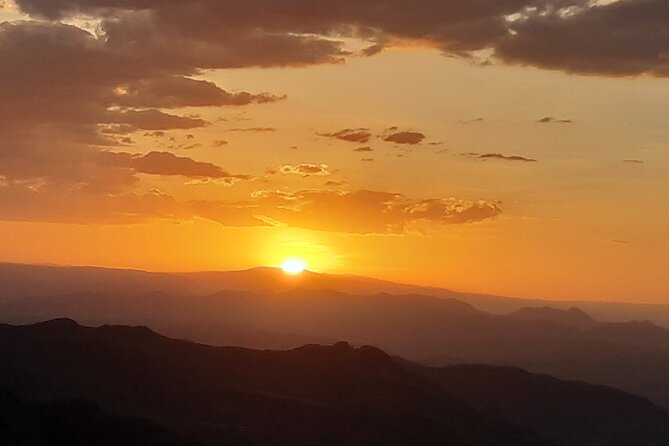
This trek is a strong choice if you have already seen, or plan to see, Lalibela’s rock-hewn churches and want a second experience with a rural focus. You should enjoy walking, high viewpoints, simple accommodation, and direct contact with local families.
It also suits you if you want a guide who can explain culture as well as route directions. The strongest parts of the experience depend on that human connection, particularly during the overnight stay and farmer activities.
You may prefer a shorter tour if you have limited mobility, dislike high elevations, or want an easy schedule after visiting the churches. The return to Lalibela takes most of the second day, and the overnight village stay is intentionally simple.
The experience is also better for people who accept some uncertainty. Weather, walking speed, village routines, and available activities can affect the exact flow. You receive a planned route, but not a tightly scripted show.
Booking details and cancellation
The start time is 7 a.m., and confirmation is provided when you book. Since airport pickup and breakfast arrangements may need advance coordination, contact the company before the trek if you are arriving that morning or have specific food plans.
Free cancellation is available if you cancel at least 24 hours before the experience start time. Cancellations or changes made within 24 hours are not accepted for a refund, and the cutoff follows local time.
Should you book the Lalibela Eco Trek?
Book it if you want Lalibela to be more than a church visit. The Atabkit plateau, the 3,600-meter views, the mule-supported route, and the village overnight create a fuller picture of life in the highlands.
I would choose it for the local contact, the carefully supplied meals, and the chance to walk into places you would not see from a vehicle. I would skip it if you want a relaxed add-on, dislike basic accommodation, or are not prepared for several hours of mountain walking.
Before paying, confirm your guide, pickup location, breakfast plan, village arrangements, and the Asheton Maryam entrance fee. If those details suit you, the $213.77 cost offers good value for a private two-day route with food, support, and a genuinely local stay.
FAQ
How long is the Lalibela Eco Trekking Tour?
The experience lasts approximately two days. Day one begins around 7 a.m. and includes the walk into the highlands and the village overnight. Day two takes about five hours, with arrival back in Lalibela around 4 p.m.
Where does the trek start?
You can begin at your hotel in Lalibela or at the Highland Eco Trekking office. The hike may also begin at the airport after arrival if this has been arranged in advance.
How high does the route go?
The route reaches the Ad Medhane Alem, or Atabkit, plateau at about 3,600 meters.
Is accommodation included?
Yes. Accommodation is included, with an overnight stay in a highland village near Astabir.
What meals and drinks are included?
Breakfast, dinner, and two lunches are included, along with snacks, bottled water, coffee, and tea.
Is the Asheton Maryam entrance fee included?
No. The entrance fee for Asheton Maryam Monastery is not included in the tour price.
More 2-Day Experiences in Lalibela
- 2 Days 1 night tour to Lalibela Rock-hewn churches
★ 5.0 · 12 reviews - 2 Days Private Tour in Addis Ababa Ethiopia
★ 5.0 · 36 reviews - 2 Days Wildlife Safari to Awash National Park
★ 4.5 · 21 reviews - Two Days Tigray Churches Trip
★ 5.0 · 10 reviews
Just added out of Lalibela
- The Rock-Hewn Churches of Lalibela: 3 Days / 2 Nights★ 5.0 · 6 reviews
- Trekking in Ethiopia’s Lalibela Wollo Highland 4 Days / 3 Nights★ 5.0 · 6 reviews
- Lalibela churches Guided Tour★ 5.0 · 6 reviews
- Lalibela Backpacker tours★ 5.0 · 6 reviews
- Lasta Mountains: Highland Eco Trekking Tour in Lalibela★ 5.0 · 4 reviews
- Full Day Tour in Lalibela★ 5.0 · 3 reviews
- Lalibela Churches Day Tour★ 5.0 · 7 reviews
- 3 Days 2 nights Lalibela & Yemrehana Krestos seightseeeing tour★ 5.0 · 6 reviews
Rock-Hewn Church Tours, compared.

12 Days SIMIEN MOUNTAIN-LALIBELA-DANAKIL-TIGRAY CHURCHES
Read our review →
Tour 11 monolithic rock churches & museum in Lalibela & cave church with mummies
Read our review →
Ethiopia Tigray Tours: Guided tour of Tigray rock hewn churches
Read our review →
5 DAYS Lalibela, Axum, Tigray churches and Danakil
Read our review →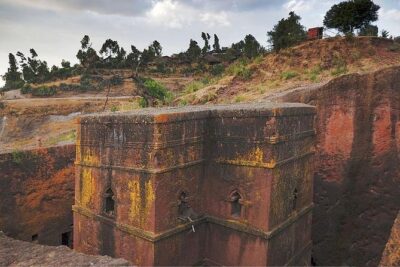
6 Days tour Package (Simien Mountains, Lalibela, and Danakil Depression)
Read our review →
Lalibela, Axum, Danakil and Omo Valley 8 DAYS
Read our review →Browse the lists this tour appears in