
Reviewed · MELKA KUNTURE AND TIYA PREHISTORY TOURS
Day Trip to Adadi Rock and Tiya Archeological Excursion
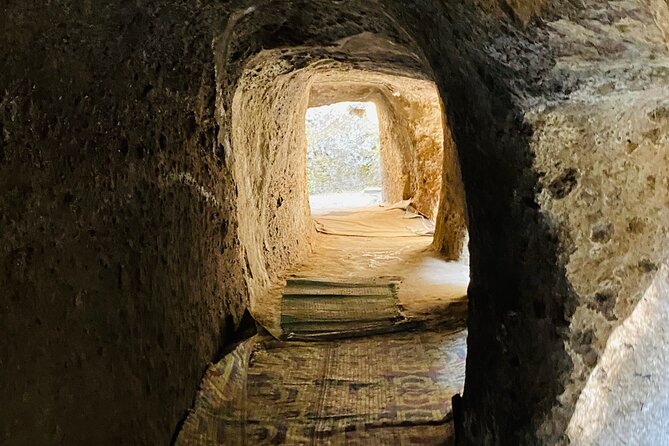
Adadi Mariam is the striking centerpiece here: a 13th-century church carved below ground, still used for worship and often compared with Lalibela. The same day brings you to Tiya’s mysterious stone markers and Melka Kunture, where stone tools date back about 1.5 million years.
I like the private format, which gives your group room to ask questions, and the strong value of having transport, guide, meals, drinks, and entrance fees bundled into the $120 price. The main drawback is the long day, with about eight hours on the road and at the sites, so this suits you best if you want a full historical outing rather than a relaxed city day.
Key points
- Adadi Mariam: Enter a rare southern Ethiopian rock-hewn church that remains an active place of worship.
- Tiya’s carved stelae: See 36 standing stones marked with symbols whose meaning is still unknown.
- Melka Kunture: Examine evidence linked to stone tools dating to roughly 1.5 million years ago.
- Private guiding: Your group travels alone with a professional driver and guide, with Ashu praised for clear explanations and a positive attitude.
- Good inclusions: Lunch, snacks, bottled water, coffee or tea, transport, guide service, and admission fees are included.
- Flexible cancellation: Cancel at least 24 hours before departure for a full refund.
Three very different windows into Ethiopia’s past
This day trip works because the three stops do not repeat the same story. Adadi Mariam is a living religious site. Tiya is an ancient cemetery marked by carved stones. Melka Kunture reaches much farther back, into the era of early human toolmaking.
That variety gives the outing a useful rhythm. You move from a church with an ongoing spiritual role, to an archaeological site filled with unanswered questions, then to prehistoric evidence measured in hundreds of thousands of years. I prefer this kind of route to a day built around three similar monuments.
The tour is private, so only your group takes part. That matters at sites such as Tiya and Adadi Mariam, where a good explanation can make the difference between simply looking at old stone and understanding what the stone may have meant. The guide can also respond to your questions instead of following a fixed group script.
The published price is $120 per person. For a private eight-hour outing, that includes an air-conditioned vehicle, private transportation, a professional guide, entrance fees, lunch, snacks, bottled water, and Ethiopian coffee or tea. The value depends partly on group size, but the package is straightforward: most of the day’s main costs are already covered.
Other prehistory sites reached from Addis Ababa:
- Day trip to Adadi Mariyam and Melka kunture
★ 4.5 · 20 reviews - Day Tours to Tiya Stele and Cave Churches of Adadi Maryam
★ 5.0 · 13 reviews - Day-Trip Church of Adadi Mariam from Addis Ababa
★ 5.0 · 11 reviews
Adadi Mariam and its underground church
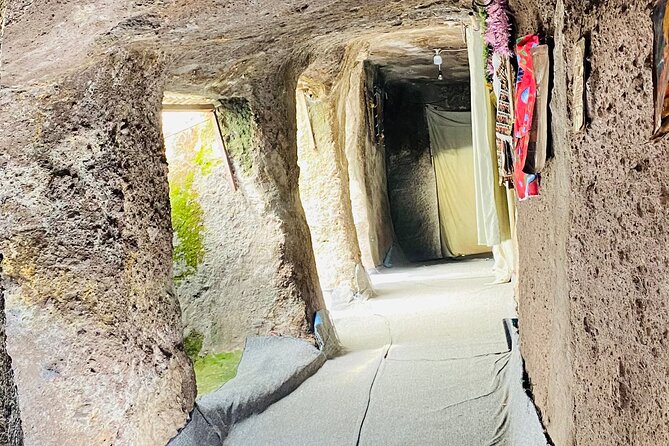
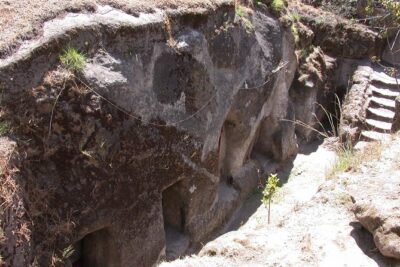
The first major stop is Adadi Mariam, also written as Adadi Maryam. It is a subterranean rock-hewn church, cut into the ground rather than built from separate blocks. Its form recalls the famous churches of Lalibela, yet this church is unusual because it is described as the southernmost example of its type and the only rock-hewn church in the surrounding area.
The church dates to the 13th century and remains an active place of worship. That living role changes how you approach it. This is not simply an abandoned archaeological shell. You are visiting a religious site that still matters to the local community, so respectful behavior is important.
A tradition links the church to King Lalibela, with the suggestion that he ordered it for a visit to southern Ethiopia. The information provided for the tour presents this as a historical possibility rather than a settled fact, and that uncertainty is part of the appeal. You can see the connection to Lalibela in the form of the church without assuming every detail about its origin is proven.
The scheduled time here is four hours, the longest portion of the day. That allows room for the church itself and for your guide to explain its place in Ethiopian religious architecture. The stop also gives you time to take in the contrast with Tiya, which is only about 30 kilometers away but belongs to a very different religious world.
You should expect a site visit rather than a polished museum experience. The focus is the church, its carved structure, its worship traditions, and the story attached to it. If you want a major church complex with many buildings and extensive displays, Adadi Mariam is more modest. If you value an unusual, solitary monument with a continuing religious purpose, it is one of the strongest parts of the day.
Tiya’s 36 mysterious standing stones
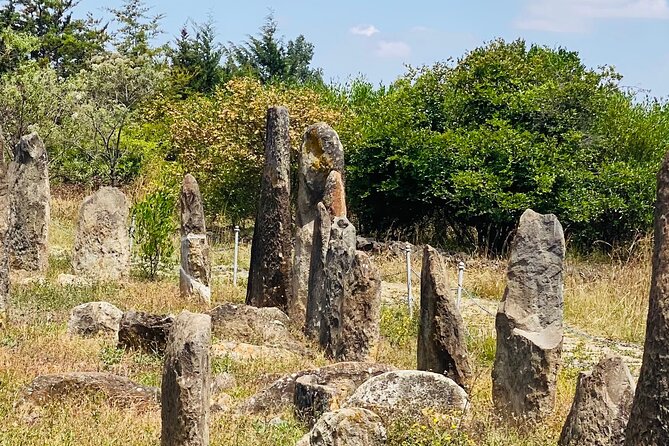
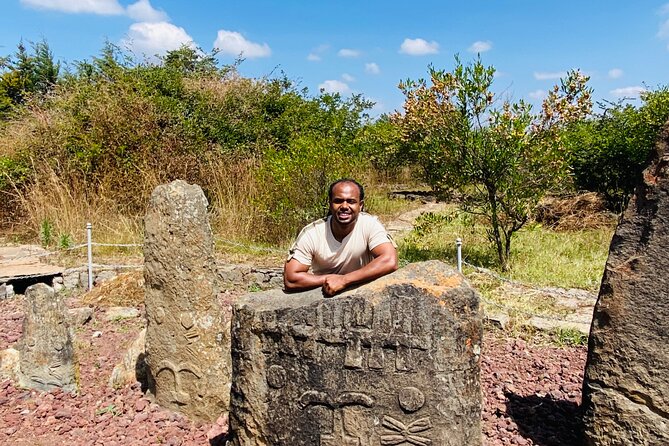
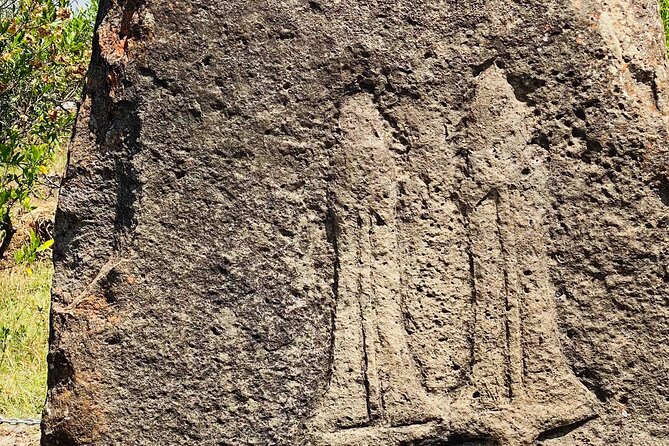
Tiya is the most visually puzzling stop. The site contains 36 stelae, or standing stones, generally between one and two meters high. They are associated with an ancient cemetery, and excavations found the remains of men and women believed to have been between 18 and 30 years old.
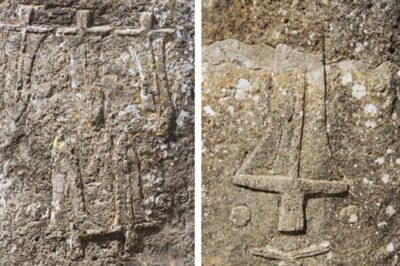
The stones are dated to roughly the 10th through 15th centuries. Their carved symbols include swords and other markings that have no clear explanation. The signs are distinctive to Tiya, and their meaning remains unknown. That gives the visit a rare quality: you can study the carvings closely, but no guide can offer a final answer for every mark.
Tiya is a UNESCO World Heritage Site, which reflects its importance rather than its size. Do not expect a sprawling complex. The interest is concentrated in the stones, the cemetery below them, and the questions they leave behind.
The planned visit lasts two hours. That should give you enough time to walk around the site, inspect the carvings, and listen to an explanation without rushing. A guide is especially useful here because the visual details can be easy to miss. The swords and other symbols are not decorative details to glance at and forget. They are the main clues to a culture that is still not fully understood.
Tiya is also relatively accessible from the main road from Addis Ababa, according to the tour information. That makes it a practical archaeological stop rather than a difficult expedition. Still, the full day has three stops, so you will want to keep your attention fresh and use your time well.
I would place Tiya near the middle of the day if the schedule allows, after Adadi Mariam and before Melka Kunture. The order provided lists it second. That sequence creates a clear contrast: first a known religious tradition that continues today, then a burial site whose symbols remain unexplained.
Melka Kunture and the earliest tools
Melka Kunture shifts the scale dramatically. The site is associated with prehistoric fossils and stone tools dating to about 1.5 million years ago, with some descriptions referring to discoveries nearly two million years old. The safest way to understand the stop is to think of it as evidence from the very early human past, rather than a visit centered on one single artifact.
The scheduled time is two hours. Your guide can help place the tools and fossils in context, which is important because prehistoric dates are difficult to picture. A 13th-century church feels old. A stone tool made more than a million years ago belongs to an entirely different measure of time.
Melka Kunture also broadens the idea of what an Ethiopian heritage tour can be. The day is not limited to churches, royal stories, or monuments. It includes archaeology that reaches back before written records and before the societies represented at Adadi Mariam and Tiya.
The available information does not provide a detailed list of museum displays, excavation areas, or individual fossils, so you should not book this expecting a large exhibition hall or a specific artifact guaranteed on view. Instead, expect a guided introduction to the prehistoric site and the ancient stone tools connected with it.
For anyone interested in archaeology, this final stop adds real weight to the outing. For visitors mainly interested in architecture or religious sites, it may feel less immediately dramatic than Adadi Mariam. That is not a flaw, but it is worth knowing before you book.
A few more trips from Addis Ababa worth a look
- Day Trip From Addis Ababa See Historical Monastery,Stunning Nature,Animals,Birds
★ 5.0 · 303 reviews - Day Trip From Addis Ababa To Debre Libanos & Portuguese Bridge
★ 4.5 · 64 reviews - Day trip Debre Libanos, Bule nile George &Portugal Bridge
★ 4.4 · 25 reviews - Wenchi Crater Lake Full-Day Trip from Addis Ababa
★ 5.0 · 18 reviews
What the private format adds
A private tour is useful here because the sites raise many questions. At Tiya, you may want to ask why the stones were carved, how the cemetery was identified, or what the sword symbols could mean. At Adadi Mariam, you may want to understand how a church can be cut from rock and still serve worshippers today.
One posted experience specifically praises Ashu as a great guide who explained things carefully, kept a positive attitude, and took time with questions. The same account describes feeling safe throughout the outing. That gives you a useful standard to expect, although guide assignment should be confirmed when booking if having Ashu matters to you.
Other feedback praises the organization and sequence of the day. That makes sense for a route with three sites that cover very different periods. A good guide is not only pointing out objects. The guide is helping you connect a living church, a mysterious cemetery, and prehistoric tools into one readable story.
The tour also includes a professional driver and guide, rather than asking you to manage transport between separate sites. The air-conditioned vehicle is a practical benefit on a full-day outing. You can focus on the sites instead of coordinating each transfer yourself.
Because this is a private activity, only your own group participates. That is especially helpful if your group has mixed interests. One person can ask more questions at Melka Kunture, while another can spend extra time studying the Tiya carvings, within the available schedule.
Lunch, coffee, and the $120 price
The $120 cost includes lunch, snacks, bottled water, Ethiopian coffee or tea, all fees and taxes, admission tickets, private transportation, the air-conditioned vehicle, and professional guide service. That is a strong list of inclusions for an eight-hour private trip.
I like that the basic food and drinks are handled. You do not need to budget separately for lunch or stop planning around water and snacks. Ethiopian coffee or tea also gives the day a local touch, even though the main purpose of the trip is archaeological and cultural.
The price is easiest to justify for solo visitors, couples, or small groups who want a private vehicle and guide without piecing the day together. Larger groups should compare the per-person rate with the size of the vehicle and the exact pickup arrangements, since the supplied information does not specify a maximum group size.
Personal purchases and tips for the guide and driver are not included. Set aside some extra money for those items. The tour also lists pickup as available, but the exact pickup point should be confirmed at booking.
Timing, comfort, and practical limits
The advertised duration is about eight hours, with four hours allocated to Adadi Mariam, two hours to Tiya, and two hours to Melka Kunture. Those stop times add up to the full day, so the schedule is substantial rather than rushed.
You should plan for a focused outing. This is not a short half-day escape from Addis Ababa. You will spend most of the day visiting sites, listening to explanations, and moving between them. That makes the trip a good choice when ancient sites are a priority, but a poor match if you want a slow day with lots of unplanned free time.
Most people can participate according to the supplied tour information. No special restriction is listed. Still, the descriptions do not provide detailed information about surfaces, steps, or the exact physical access inside Adadi Mariam, so ask the operator if you have mobility concerns.
The tour runs Monday through Sunday, and the listed operating period extends through June 17, 2026. Confirmation is received at booking. Free cancellation is available if you cancel at least 24 hours before the local start time. Cancellations or changes made inside that window are not refunded or accepted.
Who should book this day trip
I would recommend this outing to you if you want to see important sites outside Addis Ababa but prefer a private, organized day. It suits people who enjoy archaeology, religious architecture, unusual symbols, and long-range human history.
It is also a good fit if you value explanations. Tiya’s symbols are not self-explanatory, and Melka Kunture’s dates are hard to grasp without context. The positive feedback about Ashu’s patience with questions is relevant here: this is the kind of route where a responsive guide adds real value.
Families and mixed-interest groups may also like the variety. One person can focus on the active church, another on the carved stones, and another on prehistoric tools. The private setup lets the guide adjust the conversation to your group.
I would hesitate if your main goal is a leisurely countryside drive, a short cultural stop, or a single famous monument. The day is packed, and the archaeological sites may reward curiosity more than quick sightseeing.
Should you book it?
Book this tour if you want three distinct chapters of Ethiopian history in one day, with transport, meals, admission fees, and a private guide included. Adadi Mariam gives you a rare living rock-hewn church, Tiya offers an important mystery in stone, and Melka Kunture reaches back to prehistoric toolmaking.
Skip it if eight hours of site visits feels too intense or if you need detailed accessibility information before committing. For an organized private outing from Addis Ababa, though, the combination is unusually broad, and the $120 package offers solid value when you want the day arranged for you.
FAQ
How long does the tour last?
The experience lasts approximately eight hours. The planned stops allocate four hours to Adadi Mariam, two hours to Tiya, and two hours to Melka Kunture.
Is this a private tour?
Yes. Only your group participates in the activity, with private transportation and a professional driver or guide.
What is included in the price?
The $120 price includes lunch, snacks, bottled water, Ethiopian coffee or tea, an air-conditioned vehicle, private transportation, entrance fees, taxes, and a professional tour guide.
Is pickup available?
Yes, pickup is offered. The exact meeting or pickup point should be confirmed at booking.
Are entrance fees included?
Yes. Admission tickets for the listed stops are included.
What is the cancellation policy?
You can cancel at least 24 hours before the experience start time for a full refund. Cancellations and changes made less than 24 hours before the start time are not accepted and are not refunded.
Just added out of Addis Ababa
- Yod Abyssinia Cultural Night: Dinner, Music, and Dance★ 5.0 · 7 reviews
- Locally crafted beer and wine tasting and nightlife in Addis tour★ 5.0 · 6 reviews
- Stunning Views Wonchi Crater Lake a Private Day Trip★ 5.0 · 3 reviews
- Two days Lake Wenchi and Menagesha Forest★ 5.0 · 3 reviews
- Tribes of the Ethiopian Omo Valley – 9 Day Tour★ 5.0 · 5 reviews
- Addis Ababa City Tours Full-Day Tours★ 5.0 · 5 reviews
- 3-Day Cultural Tour in South Omo Valley★ 5.0 · 4 reviews
- Day Trip to Tiya UNESCO Site & Melka Kunture Archaeological Site★ 4.5 · 3 reviews
Melka Kunture and Tiya Prehistory Tours, compared.

Day Tours to Tiya Stele and Cave Churches of Adadi Maryam
Read our review →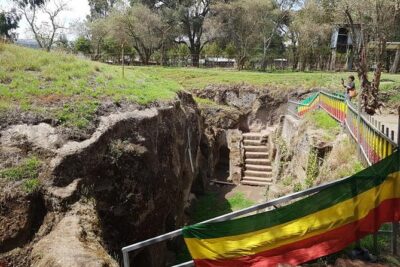
DAY TRIP TO THE UNESCO HERITAGE SITE TIYA & Melka Kunture
Read our review →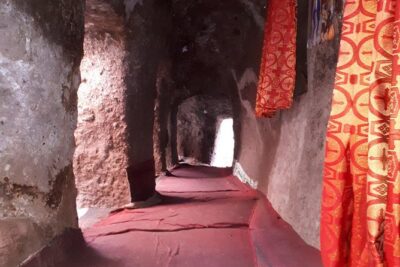
Excursion to Melka Kuntre, Tiya and Adadi Mariam
Read our review →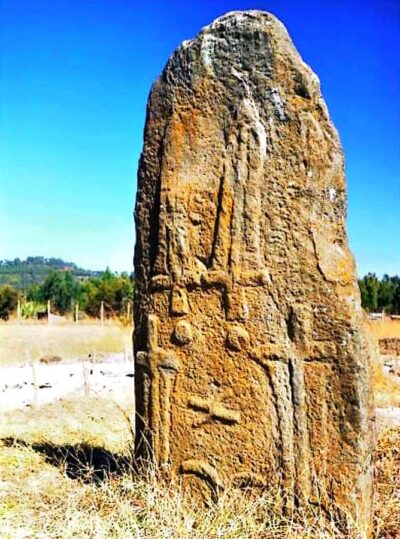
Day trip Adadi Mariam, Melka Kunture and Tiya stele
Read our review →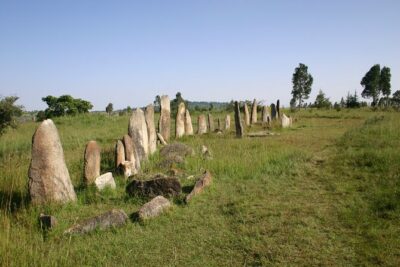
Rock Hewn Churches of Adadi Maryam, Tiya Stele & Melka Kunture
Read our review →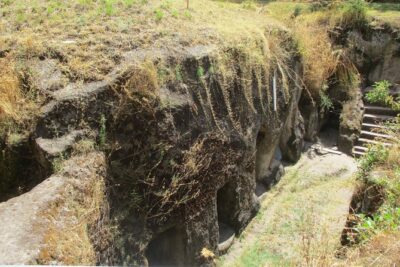
Day trip to Melka Kunture & Adadi Mariam rock-hewn church.
Read our review →Browse the lists this tour appears in