
Reviewed · BLUE NILE FALLS AND LAKE TANA TOURS
Perfect Escape from Busy Addis Ababa: Debre Libanos & Blue Nile Gorge excursions
Debre Libanos and the Portuguese Bridge turn a busy Addis Ababa day into a countryside outing filled with monastery life, cliff views, and wild Gelada baboons. The road north takes you through rural Ethiopia, with time to stop for photographs instead of rushing from one sight to the next.
I like the mix of culture and nature, especially the active Orthodox monastery and its old manuscripts and antiques. I also like the flexible pace, which lets you spend more time hiking, taking pictures, or looking across the Jemma River Gorge. The drawback is the long road time: the drive from Addis Ababa takes about two hours each way, so this is a full day out even though the listed tour length is about five to seven hours.
Key points to know before you book
- The road north is part of the experience: You travel through the countryside, with photo stops along the way.
- Debre Libanos is an active religious center: Expect pilgrims, worship, painted church windows, a museum, and a short hike to holy water.
- The Portuguese Bridge gives you a dramatic viewpoint: The old stone crossing looks into the Jemma River Gorge.
- Gelada baboons live around the bridge: The rocks below are home to this endemic Ethiopian species.
- Rain changes the scenery: From June through September, a waterfall near the bridge can be especially impressive.
- The group stays manageable: The maximum is 25 people, and hotel pickup is offered.
Leaving Addis Ababa for the Debre Libanos road
The day starts at 7:00 am, a useful departure time if you want to fit both main stops into one outing. Pickup is offered, and the drive to the sights takes roughly two hours from Addis Ababa. That journey is not dead time. It gives you a view of rural Ethiopia beyond the capital, with opportunities to stop for photographs.
I appreciate this kind of day trip because the road helps explain the destination. Addis Ababa can feel crowded and demanding, while the countryside brings open views and a slower rhythm. You are not simply being delivered to a church and a bridge. You are watching the city thin out as the route heads north.
The exact running time is about five to seven hours, but the drive means you should allow most of the day. The schedule can also shift because the program is designed to be adjusted around your interests. If photographs matter most, say so early. If you prefer more time at the monastery or the holy water cave, the guide can shape the day around that preference.
The group limit is 25 people. That is not a private tour, but it is smaller and more practical than a large coach outing. A shared group can also make the price more attractive if you are traveling alone or as a couple.
Other day trips north of Addis Ababa:
- Addis Ababa: Debre Libanos, Blue Nile Gorge, and Cave Tour
★ 4.5 · 256 reviews - Day Trip From Addis Ababa To Debre Libanos & Portuguese Bridge
★ 4.5 · 64 reviews - Day trip Debre Libanos, Bule nile George &Portugal Bridge
★ 4.4 · 25 reviews
Debre Libanos, an active monastery rather than a museum piece
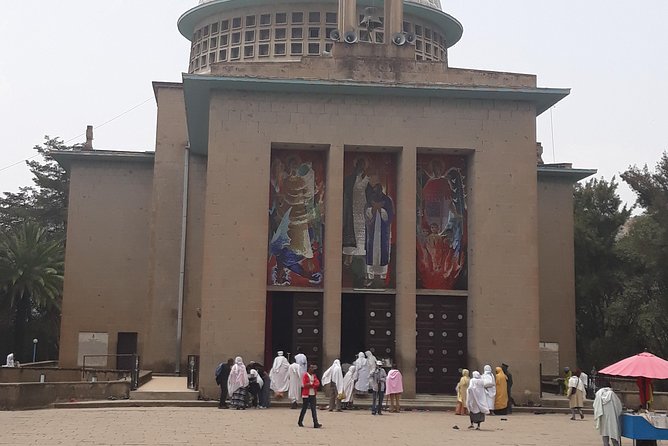
Debre Libanos is the cultural heart of the outing. The monastery was established in the 14th century and remains an important religious place near Addis Ababa. This is not a silent historic site arranged only for sightseeing. Pilgrims come from across Ethiopia, and you may see people seeking help with serious personal difficulties.
That active religious setting changes how you should approach the visit. You are entering a place of worship first and a sightseeing stop second. Move with care, listen to your guide, and allow the atmosphere to guide your behavior. The appeal is not only the age of the monastery. It is the chance to see an Ethiopian Orthodox site still connected to daily faith.
The church contains painted glass scenes based on stories from the Old and New Testaments. These images give the building a visual language that you can understand even if you know little about Ethiopian Orthodox traditions. Look closely rather than treating the church as a quick photo stop. The paintings are one of the details that make the visit feel specific to this place.
Admission is included, and the stop lasts about one hour and ten minutes. That is enough time for a guided visit, a look at the displays, and the short walk toward the holy water cave, though you will not have endless time to linger.
The 20 minute walk to the holy water cave
The hike to the holy water cave takes about 20 minutes. It is described as an average walk suitable for the people taking part, rather than a demanding trek. Still, you should expect uneven outdoor footing and bring shoes that feel secure. The available information does not give a precise trail surface or elevation change, so you should not treat the walk as a paved stroll.
The cave matters because it shows how faith is practiced here. People come to the holy water as part of their religious life and treat themselves with it. That is a more direct encounter with local belief than simply looking at an old building.
I like this part of the outing because it adds movement and purpose to the monastery stop. You are not confined to an interior visit, and the short walk lets you see another part of the site. On the other hand, anyone who has difficulty walking should consider that the cave visit may be less comfortable than the church and museum.
The program allows you to improvise, so ask the guide how much time is available before setting off. If you want to make the cave walk, you should avoid using all your time on the first part of the monastery visit.
The museum’s manuscripts and antiques
The monastery also has a museum displaying ancient manuscripts and antiques. The supplied details do not specify the number of objects or the languages of the manuscripts, so I would approach it as a compact cultural stop rather than expect a large national museum.
Its value lies in context. After seeing the church paintings and learning that the monastery remains active, the manuscripts and older objects help connect worship today with the institution’s long religious past. You can see the site as more than a scenic church with a good view.
The museum is also a useful reason to choose this trip if you want culture along with outdoor scenery. A pure viewpoint excursion would be easier to arrange, but it would miss the religious side of the area. Here, the church, museum, pilgrims, and cave create a fuller visit.
Photography should be handled respectfully. The tour includes time for photographs during the drive and at scenic stops, but the information provided does not confirm photography rules inside every religious or museum space. Follow the guide’s direction rather than assuming every object or ceremony can be photographed.
Other water and monastery trips from Addis Ababa:
- Day Trip From Addis Ababa To Debre Libanos & Blue Nile Gorge
★ 4.0 · 8 reviews - Day trip on Bahir dar. To visit lake tana monasteries and Blue Nile Falls.
★ 5.0 · 16 reviews - Private Guided Tours To Bahir Dar Lake Tana Monastery & Blue Nile Waterfalls
★ 5.0 · 3 reviews - 2-Day private Tour in Bahir Dar and Blue Nile falls
★ 5.0 · 3 reviews
Portuguese Bridge above the Jemma River Gorge
The second main stop is the Portuguese Bridge, an old bridge dating to the 16th century. It sits on a cliff facing the Jemma River Gorge, making the viewpoint the main reason to come. The bridge provides a strong contrast with Debre Libanos: the first stop centers on worship and heritage, while this one opens into rock, river country, and wildlife.
The view is the kind that rewards a little patience. Rather than taking one picture and leaving, look down toward the rocks and across the gorge. The bridge gives you a sense of the height and rugged setting, though the available information does not provide barriers, trail details, or exact walking conditions. Stay attentive around the cliff area and follow local instructions.
The stop lasts about one hour, with admission included. That is a sensible amount of time for enjoying the view, photographing the bridge, watching the rocks below, and taking in the gorge. If you are hoping for a long hike in the area, this outing may feel limited. It is designed around a scenic visit, not a full-day trek.
The name Portuguese Bridge points to its old construction, but the supplied details do not explain who built it or provide a fuller architectural history. The important practical point is that you get both a historic structure and a wide natural view in the same stop.
Gelada baboons below the bridge
The rocks beneath the bridge are home to endemic Ethiopian Gelada baboons. Their presence adds a wildlife element that you cannot get from a city tour or a monastery visit alone. Bring patience and look carefully. The information does not promise a guaranteed sighting or state how close the animals come, so treat them as a possible reward rather than the sole reason to book.
This is one of the most appealing details for me. The animals are part of the setting, not a staged attraction. You are looking for wildlife in its own environment while standing near a historic bridge above a gorge.
A camera with a useful zoom may help, but no special equipment is listed as required. Keep your attention on the animals and the ground around you. The site combines cliffs, rocks, and wildlife, so the sensible approach is to watch where you walk while scanning the area.
Rainy season brings a waterfall
From June through September, the waterfall near the Portuguese Bridge can be breathtaking. That makes the season an important factor in deciding when to go. In the wetter months, the gorge may offer more than a bridge and a distant river view.
The tradeoff is that rain can affect roads, walking conditions, and visibility. The tour information does not state how weather changes the schedule, so you should be prepared for conditions to vary. The waterfall is a seasonal bonus, not a guarantee of a particular appearance on a particular day.
If you visit outside June through September, the bridge and gorge still provide the main attraction. If you visit during those months, the chance of seeing the waterfall gives the stop extra appeal. Ask about current conditions when you book or before departure if the waterfall is a major priority.
What $145 means for the value
The price is $145 per person. That is a serious cost for a day trip, but the value depends on what you would otherwise need to arrange yourself. The outing brings together transportation from Addis Ababa, a guide, two major stops, admission tickets, countryside photo opportunities, and a flexible schedule.
The included admission matters because both the monastery and bridge stop are listed with tickets included. Pickup is also offered, which removes one of the practical problems of reaching sites outside the capital. You are paying for access and coordination as well as the sights themselves.
I would see this as better value for a first visit to the area, for a short stay in Addis Ababa, or for anyone who does not want to arrange a driver and local visits separately. The value is less clear if you already have transport, know the route, and want only a quick look at the bridge.
Group discounts may help reduce the cost for a larger party. The maximum group size is 25, so you should not expect an intimate private outing unless you arrange that separately. The ability to adjust the program can also add value, especially if your group has different interests.
No meals are listed, so do not assume food is included in the price. Plan around the early start and the long road time.
Who will enjoy this day trip most
This outing suits you if you want more than urban sightseeing in Addis Ababa. It works particularly well for:
- People interested in Ethiopian Orthodox religious life
- Visitors who want a countryside drive with photo stops
- Anyone who enjoys combining heritage, wildlife, and outdoor views
- Short-stay visitors looking for a major excursion outside the capital
- Groups that want some flexibility rather than a fixed minute-by-minute program
It is less suited to you if you want a relaxed late start, a long technical hike, or a trip focused only on wildlife. The day begins early, includes substantial driving, and offers a short hike rather than an extended walking route.
The activity is described as suitable for most people, and service animals are allowed. Still, the walk to the cave and the setting around the gorge mean you should think about your own mobility before booking.
Practical details that make the day easier
Set your alarm for the 7:00 am pickup. The drive is about two hours from Addis Ababa, and the return journey means you should keep the rest of the day flexible.
Wear comfortable shoes for the approximately 20 minute walk to the holy water cave and for movement around the bridge. The information does not give detailed trail conditions, so practical footwear is the safest choice.
Keep some time available for photographs. The countryside drive includes stops, and both the church area and bridge offer different subjects. You can photograph rural views, old structures, gorge scenery, and possibly Gelada baboons, subject to local guidance and conditions.
The tour provider is Aspire Ethiopia Tours. A guide named Alex handled one reported outing, providing courteous guidance and useful information along the route. Guide assignments can vary, so you should not assume Alex will lead every departure.
Free cancellation is available if you cancel at least 24 hours before the start time. Changes or cancellations made less than 24 hours before departure are not accepted for a refund. The trip also requires a minimum number of participants, so if that number is not reached, you are offered another date or experience, or a full refund.
Should you book Debre Libanos and the Portuguese Bridge?
I would book this excursion if you want a well-rounded break from Addis Ababa rather than a single sightseeing stop. The strongest combination is the active monastery, the holy water cave, the old bridge, the Jemma River Gorge, and the chance to see Gelada baboons in the surrounding rocks.
The main question is not simply the $145 price. It is whether you value having the transport, admission, guide, and route handled for you. If you do, the cost is easier to justify. If you prefer independent travel and already have a car and local help, you may find the price high.
Choose it for culture, scenery, and a manageable amount of walking. Choose another outing if you want a late start, a strenuous hike, or guaranteed wildlife viewing. For most people with one free day in Addis Ababa, this is a practical way to see a very different side of Ethiopia.
FAQ
Where does the tour start?
The tour starts in Addis Ababa, with pickup offered.
What time does the tour begin?
The scheduled start time is 7:00 am.
How long does the experience last?
The approximate duration is five to seven hours. The drive to the sites takes about two hours from Addis Ababa.
What places are visited?
The experience visits Debre Libanos Orthodox Church and the Portuguese Bridge above the Jemma River Gorge.
Is admission included?
Yes. Admission tickets for both listed stops are included.
How long is the visit to Debre Libanos Orthodox Church?
The church stop is listed as approximately one hour and ten minutes.
Is there a hike at Debre Libanos?
Yes. You can hike for about 20 minutes to a holy water cave.
Can I see Gelada baboons?
The rocks below the Portuguese Bridge are home to endemic Ethiopian Gelada baboons. A sighting is possible, but it is not stated as guaranteed.
When is the waterfall near the bridge most impressive?
The waterfall can be especially impressive during the rainy season from June through September.
How many people can join the tour?
The maximum group size is 25 people.
Is cancellation free?
You can cancel for a full refund up to 24 hours before the experience starts. Cancellations or changes made less than 24 hours before the start time are not accepted for a refund.
Just added out of Addis Ababa
- Yod Abyssinia Cultural Night: Dinner, Music, and Dance★ 5.0 · 7 reviews
- Locally crafted beer and wine tasting and nightlife in Addis tour★ 5.0 · 6 reviews
- Stunning Views Wonchi Crater Lake a Private Day Trip★ 5.0 · 3 reviews
- Two days Lake Wenchi and Menagesha Forest★ 5.0 · 3 reviews
- Tribes of the Ethiopian Omo Valley – 9 Day Tour★ 5.0 · 5 reviews
- Addis Ababa City Tours Full-Day Tours★ 5.0 · 5 reviews
- 3-Day Cultural Tour in South Omo Valley★ 5.0 · 4 reviews
- Day Trip to Tiya UNESCO Site & Melka Kunture Archaeological Site★ 4.5 · 3 reviews
Blue Nile Falls and Lake Tana Tours, compared.
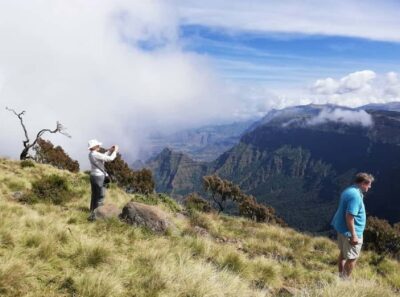
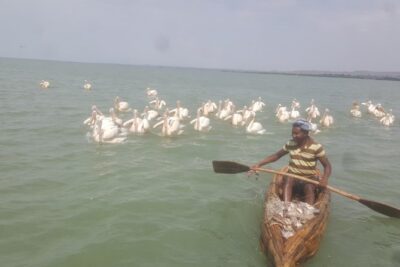
Day trip on Bahir dar. To visit lake tana monasteries and Blue Nile Falls.
Read our review →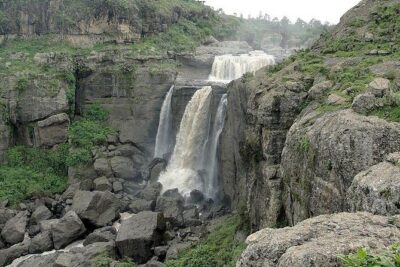
Day Trip From Addis Ababa To Debre Libanos & Blue Nile Gorge
Read our review →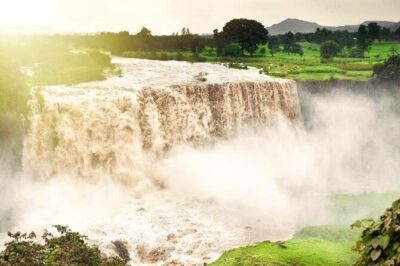
2-Day private Tour in Bahir Dar and Blue Nile falls
Read our review →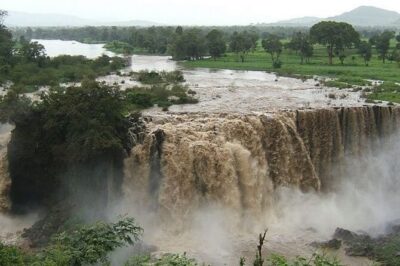
Private Guided Tours To Bahir Dar Lake Tana Monastery & Blue Nile Waterfalls
Read our review →Browse the lists this tour appears in