
Reviewed · DEBRE LIBANOS AND PORTUGUESE BRIDGE DAY TRIPS
Monastic Marvels Exploring the beauty of Debre Libanos Monastery
Debre Libanos gives you far more than a church visit. The monastery’s unusual museum mixes sacred objects with Italian guns, imperial crowns, cooking pots, musical instruments, and wooden shackles. It is one of the most memorable collections you can see near Addis Ababa.
I like the combination of religious history and open-air scenery, especially the short uphill walk to Tekla Haimanot’s cave and the views near Portuguese Bridge. I also like that the $120 price includes private transport, a guide, lunch, entrance fees, water, and hotel pickup. The drawback is the long day on the road, and the church exterior itself is not much to look at.
Key points
- A full eight-hour escape from Addis Ababa: Leave at 7:30 AM and return after a full day of sightseeing.
- A museum with surprises: See church objects alongside Italian firearms, royal crowns, giant cooking pots, and old wooden shackles.
- Tekla Haimanot’s cave: Walk about 15 minutes uphill to the cave linked with the monastery’s founder and its holy water.
- Portuguese Bridge and Blue Nile Gorge: Cross the historic bridge and walk beside the river toward a viewpoint for the 600-meter waterfall.
- Gelada baboons and birdlife: Watch for Ethiopia’s endemic gelada baboons and local birds near the gorge.
- Small-group value: Private transportation and a maximum of five people make the day more flexible than a large coach trip.
Why Debre Libanos makes a strong Addis Ababa day trip

At slightly more than 100 kilometers from Addis Ababa, Debre Libanos is a practical way to trade city traffic for mountain views, church history, and a short walk in the highlands. The early 7:30 AM departure matters. You have a long distance to cover, and an early start leaves time for both the monastery and the gorge.
I see this as two outings joined together. The first is a religious and cultural visit at Debre Libanos. The second moves outdoors to Portuguese Bridge, where the reward is scenery, a waterfall viewpoint, wildlife, and birds.
That mix gives the day its value. If you only want grand architecture, the monastery may disappoint. If you want a fuller picture of Ethiopia, with faith, imperial objects, local tradition, and mountain scenery in one trip, the route makes good sense.
Other day trips north of Addis Ababa:
- Addis Ababa: Debre Libanos, Blue Nile Gorge, and Cave Tour
★ 4.5 · 256 reviews - Day Trip From Addis Ababa To Debre Libanos & Portuguese Bridge
★ 4.5 · 64 reviews - Day trip Debre Libanos, Bule nile George &Portugal Bridge
★ 4.4 · 25 reviews
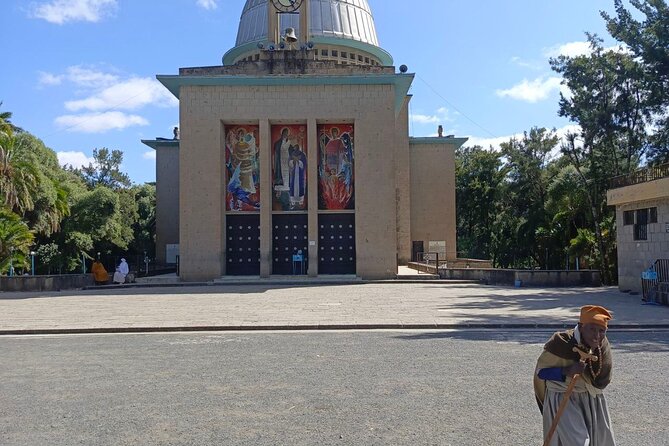
Arriving at Debre Libanos Orthodox Church
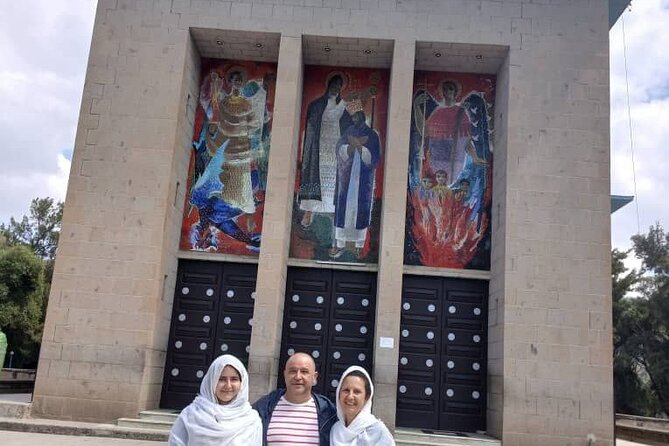
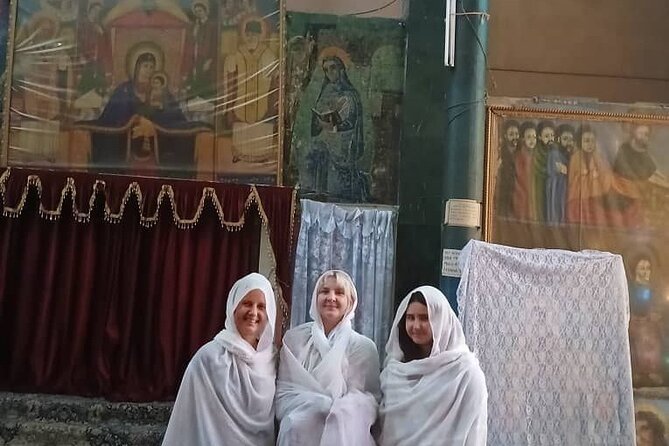
Debre Libanos is a major Ethiopian Orthodox monastery, and the visit begins with its church and surrounding religious setting. The church is monumental in scale, but its exterior is plainly not its strongest feature. I would keep expectations modest from the outside.
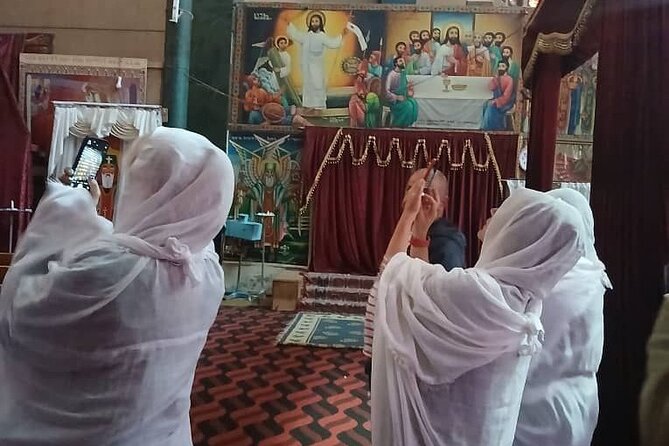
The interior is more rewarding, particularly the stained-glass windows. They give the church color and visual interest, while the visit also helps place the monastery within the story of Ethiopian Orthodox Christianity.
Your local guide explains the religious importance of the site and the role of the monastery. This is one place where a guide adds real value. Without context, you might see a church, a few historic objects, and a hilltop cave. With explanation, the stops connect into a story about worship, saints, rulers, and the survival of Ethiopian religious traditions.
You should dress and behave respectfully at the church. The tour information does not specify a dress code, so ask your guide if you are unsure about what is suitable on the day.
The museum where church history meets imperial history
The museum is the strongest indoor part of the visit. Many church museums follow a familiar pattern: crosses, manuscripts, vestments, and other religious objects. Debre Libanos has those ecclesiastical items, but it also has a wonderfully unexpected collection of objects from Ethiopia’s political and everyday past.
You may see Italian guns, giant cooking pots, crowns belonging to former emperors and their wives, musical instruments, and old wooden shackles. That unusual mix makes the museum easier to remember than a collection made up only of formal religious pieces.
The Italian guns point toward the military pressures Ethiopia faced. The crowns connect the monastery with imperial power. The cooking pots and instruments bring the display closer to ordinary life and ceremony. The wooden shackles are especially sobering, adding a harder edge to the visit.
I like museums that make you ask questions, and this one does that. The objects are not presented as a polished royal collection alone. They suggest worship, warfare, food, music, authority, and punishment. Plan to give the museum proper attention rather than treating it as a quick stop before the scenery.
Walking uphill to Tekla Haimanot’s cave
About 15 minutes up the hills from the monastery is the cave associated with Tekla Haimanot, the founder of Debre Libanos. According to local religious tradition, this is where the saint did his praying. The cave is also linked to the monastery’s famed holy water.
The walk is short, but it is uphill. That makes this part more demanding than the church and museum visit. You should wear comfortable shoes and take your time, particularly if you are sensitive to climbs. The supplied tour details say most people can participate, but they do not describe the path in detail, so ask the guide about current conditions if you have mobility concerns.
The cave matters because it turns the monastery’s history into a physical place. You are not just hearing about Tekla Haimanot in a museum. You are walking to the spot tied to his prayer and to the source of the holy water.
The holy water is a meaningful part of the site for Ethiopian Orthodox visitors. For you, the importance will depend on your interest in religious tradition, but even a nonreligious visitor can appreciate how strongly the cave connects landscape, prayer, and local belief.
Same starting point, a very different trip:
- Full Day Tour of Addis Ababa with Hotel Pickup and Drop-off
★ 5.0 · 430 reviews - Taste of Ethiopia
★ 5.0 · 406 reviews - Day Trip From Addis Ababa See Historical Monastery,Stunning Nature,Animals,Birds
★ 5.0 · 303 reviews - Addis Ababa Guided City Tour With Airport & Hotel Pick Up
★ 5.0 · 237 reviews
Crossing Portuguese Bridge near the Blue Nile Gorge
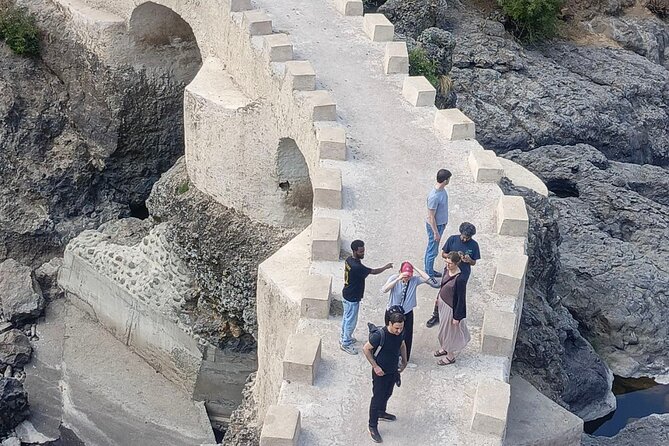
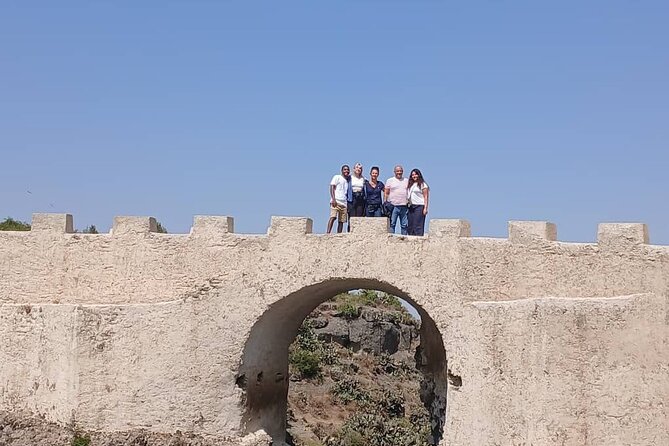
The second half of the outing brings you to Portuguese Bridge near the Blue Nile Gorge. The bridge has a disputed origin, which adds an interesting wrinkle to the stop. One account attributes it to Portuguese builders in the 16th century. Another says Ras Darge, the uncle of Menelik, built it in the 19th century.
That uncertainty is worth remembering. You do not need to settle the argument to enjoy the bridge, but it is better to treat the name Portuguese Bridge as part of a historical debate rather than an unquestioned fact.
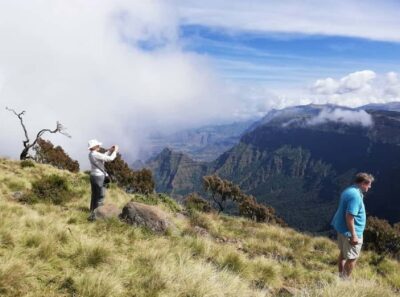
After crossing, the route goes left beside the river toward a large rock that serves as a viewpoint. From there, you can look toward a waterfall described as 600 meters high. The view is the visual payoff of the day, and it gives you a sharp change from the enclosed museum and church.
This is not simply a photo stop. The walk beside the river and the open views make the place feel much wilder than Addis Ababa. Still, your guide should set the pace and show you where to go. The information provided does not give a trail distance or surface details, so do not assume a fully developed path.
Watching for gelada baboons and Ethiopian birds
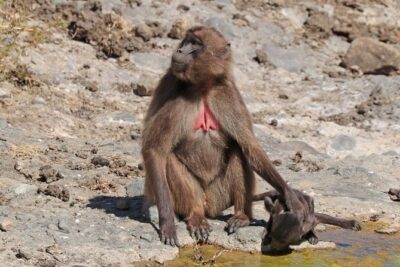
Near the bridge and waterfall viewpoint, you may see Ethiopia’s endemic gelada baboons. The tour description uses several spellings for their name, but gelada is the standard English form.
These animals are one of the most distinctive reasons to include the gorge. They are not a guaranteed sighting, so keep your expectations sensible. Your guide can help you look in the right areas, but wildlife remains unpredictable.
You also have a chance to spot Ethiopian birds. No bird list is provided, so this is best treated as an added possibility rather than a dedicated birdwatching tour. Bring patience and keep your eyes open during the walk.
The baboons and birds give the final stop more life than a viewpoint alone. You are not only looking at a waterfall and distant hills. You are also watching for animals that belong specifically to Ethiopia’s highland environment.
What the $120 price really covers
The $120 per-person cost looks more reasonable once you count what is included. You get private transportation, a local guide, hotel pickup and drop-off, all entrance fees, lunch with local food, government tax, coffee or tea, and bottled water.
For a remote day trip more than 100 kilometers from Addis Ababa, private transport is important. You avoid arranging separate transfers and do not need to negotiate the route yourself. The private format also gives you a better chance to pause at the museum, cave, bridge, or viewpoint instead of moving with a large crowd.
The group limit is five people. That is small enough to keep the day personal, while still allowing you to share the cost with a few companions. Solo visitors pay more per person than a group of friends, but the included transport, guide, meals, and admission fees help balance that out.
Lunch is local food, which suits the spirit of the trip. You should not book this expecting a luxury meal or a tightly polished resort-style day. The appeal is the route and the access, not fine dining.
Coffee or tea and bottled water are small inclusions, but they matter on an eight-hour outing. You still should arrive ready for a long day and bring anything else you personally need.
How the timing shapes your day
The departure time is 7:30 AM, and the total duration is about eight hours. This is a full day, not a quick half-day excursion. The distance from Addis Ababa means some time is spent in the vehicle, but that is the tradeoff for reaching Debre Libanos and the Blue Nile Gorge in one outing.
I like the order of the day. The monastery gives you a quieter start focused on worship and history. The cave adds a short walk. Portuguese Bridge then brings you outdoors for the waterfall, wildlife, and broad views.
A private vehicle should make the schedule easier to manage, although the tour information does not promise a custom itinerary. If you have a specific interest, such as spending longer in the museum or watching for birds, tell the guide early.
Pickup and drop-off at your hotel remove one of the main headaches of a day trip from a large capital city. The tour also offers a mobile ticket, and confirmation is received at booking.
Who will get the most from this tour
I would recommend this day to you if you want more than the standard Addis Ababa city sights. It suits people interested in Ethiopian Orthodox Christianity, historic objects, imperial history, short walks, mountain views, and wildlife.
It also works well for a first visit to Ethiopia because it brings several themes together. You see religious practice, royal objects, military history, local food, a historic bridge, a waterfall, and endemic animals without arranging separate excursions.
The tour is less suitable if you want a slow monastery retreat or a serious hiking day. The route includes an uphill walk to the cave, but it is not presented as a long trekking experience. It is also not ideal if you dislike spending much of a day in transport.
Families and mixed-age groups may appreciate the private format, but the available information only says that most people can participate. It does not give detailed accessibility information. If you need a particular level of mobility support, ask before booking.
Small details that make the day easier
Wear shoes suited to the uphill walk and the route near the river. The exact trail conditions are not specified, so practical footwear is safer than city shoes.
Carry water even though bottles are included. You may also want sun protection and a camera for the bridge, waterfall, birds, and baboons. These are practical suggestions rather than stated tour requirements.
Personal expenses and alcoholic drinks are not included. Tips are also separate. Shopping is not part of the price, so keep some money available if you want to buy something during the day.
The tour accepts a maximum of five people and is near public transportation, though pickup and drop-off are already included. Free cancellation is available if you cancel at least 24 hours before the start time. Cancellations made within 24 hours are not refunded, and changes inside that window are not accepted.
Should you book the Debre Libanos day trip?
I would book this if you have an extra day in Addis Ababa and want a worthwhile break from the city. The strongest reasons are the strange and memorable museum, Tekla Haimanot’s cave, the disputed Portuguese Bridge, and the chance to see gelada baboons near the gorge.
The main caution is simple: this is a long day, and the church exterior is not the star attraction. You are paying for the complete route, private transport, guiding, meals, and access to several very different places.
For the best value, share the tour with companions if you can, though the small maximum group size also makes it appealing to solo visitors who prefer a private outing. Book it if you value context, scenery, and variety more than a single spectacular monument.
FAQ
How long is the Debre Libanos tour?
The tour lasts about eight hours. It departs Addis Ababa at 7:30 AM.
What is included in the $120 price?
The price includes entrance fees, private transportation, a local guide, government tax, coffee or tea, local-food lunch, hotel pickup and drop-off, and bottled water.
How many people can join the tour?
The tour has a maximum of five participants.
What will I see at the Debre Libanos museum?
The museum contains ecclesiastical items along with Italian guns, giant cooking pots, crowns of former emperors and their wives, musical instruments, and old wooden shackles.
Is the walk to Tekla Haimanot’s cave long?
The cave is about 15 minutes uphill from the monastery. The tour information does not provide further details about the path.
Can I cancel for a full refund?
Yes. You can receive a full refund by cancelling at least 24 hours before the experience begins. Cancellations or changes made less than 24 hours before the start time are not refunded or accepted.
Just added out of Addis Ababa
- Yod Abyssinia Cultural Night: Dinner, Music, and Dance★ 5.0 · 7 reviews
- Locally crafted beer and wine tasting and nightlife in Addis tour★ 5.0 · 6 reviews
- Stunning Views Wonchi Crater Lake a Private Day Trip★ 5.0 · 3 reviews
- Addis Ababa City Tours Full-Day Tours★ 5.0 · 5 reviews
- Two days Lake Wenchi and Menagesha Forest★ 5.0 · 3 reviews
- Tribes of the Ethiopian Omo Valley – 9 Day Tour★ 5.0 · 5 reviews
- 3-Day Cultural Tour in South Omo Valley★ 5.0 · 4 reviews
- Day Trip to Tiya UNESCO Site & Melka Kunture Archaeological Site★ 4.5 · 3 reviews
Debre Libanos and Portuguese Bridge Day Trips, compared.
Day Trip From Addis Ababa To Debre Libanos & Portuguese Bridge
Read our review →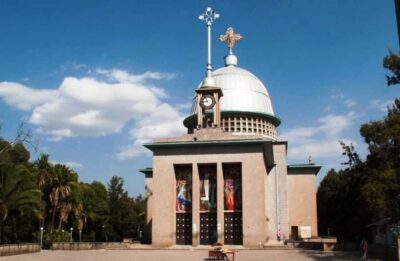
Day trip Debre Libanos, Bule nile George &Portugal Bridge
Read our review →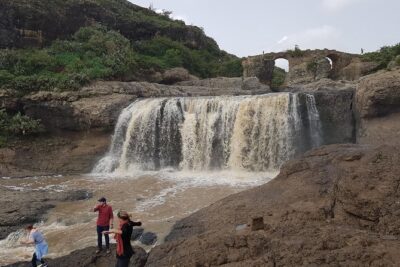
Debre Libanos Monastery and Jemma River Gorge – Day Tour from Addis Ababa
Read our review →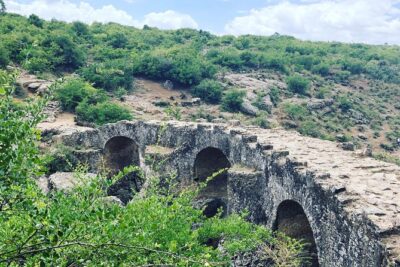
DAY TRIP TO Debre Libanos Monastery Cave Church Nature and Wildlife
Read our review →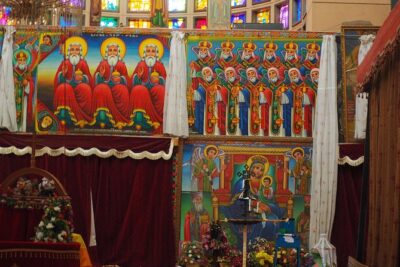
Private Day Trip to Debre Libanos Portuguese Bridge Galada Baboon
Read our review →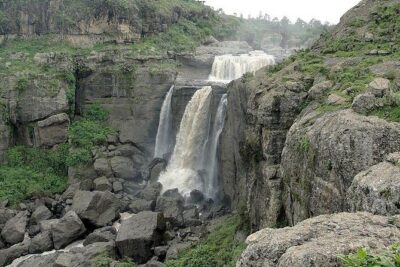
Day Trip From Addis Ababa To Debre Libanos & Blue Nile Gorge
Read our review →
Browse the lists this tour appears in