
Reviewed · CITY TOURS
Addis Ababa City Tours
Addis Ababa’s story comes into focus through its contrasts: 3.3-million-year-old hominid remains at the National Museum, crowded market lanes at Merkato, and eucalyptus-covered Mount Entoto above the city. This tour gives you all three in one long day, with a private-feeling vehicle and a guide to connect the stops.
I like the strong mix of museums, markets, and viewpoints, and I like that hotel or airport pickup makes this a practical choice during a long layover. Guides working with the operator include Mickey, Mulate, Getachew, Alex, Haile, and Yosef, though your assigned guide is not guaranteed.
The main drawback is the $600 per-person price, which is steep for a city tour, especially for solo visitors. Traffic can also make the schedule feel tight, and the National Museum may occasionally be closed, so confirm the day’s plan before setting out.
Key points at a glance
- Lucy and Selam: See famous early human fossils, including Lucy and the child known as Selam, at the National Museum.
- Two very different markets: Shiro Meda is good for handwoven cotton goods, while Merkato gives you a much larger and more intense look at city commerce.
- A serious historical stop: The Red Terror Martyrs Memorial Museum presents difficult material, including photographs, bones, coffins, and torture instruments.
- Views from Entoto: Mount Entoto adds forest, churches, monasteries, and wide views over Addis Ababa.
- Useful for a layover: Airport pickup, vehicle transport, admission fees, and hotel drop-off simplify a short stay.
- Small group size: The tour accepts no more than 10 people, though some bookings may operate as private tours.
Why this Addis Ababa tour works well in one day
This is not a slow walking tour. It is a city sampler built around short rides between major sights, with enough time at each stop to learn the basics and get a feel for Addis Ababa.
The route covers culture, archaeology, religion, modern political memory, shopping, and highland scenery. That range is the tour’s greatest strength. In a single day, you move from ancient fossils to handwoven clothing, from a cathedral museum to the painful record of the Derg period.
You should allow 7 to 8 hours, though past outings have sometimes stretched close to nine hours when the guide has added time or the group has wanted to see more. That flexibility can be useful, but it also means you should not schedule a tight onward flight immediately after the tour.
The air-conditioned minivan matters. Addis Ababa traffic can be slow, and the city’s main sights are spread across several districts. You will spend time in the vehicle, but that is more comfortable than trying to cover this route on foot.
Other city tours in Addis Ababa:
- Addis Ababa Guided City Tour With Airport & Hotel Pick Up
★ 5.0 · 237 reviews - Full-Day Private City Tour of Addis Ababa
★ 5.0 · 147 reviews - Addis Ababa Authentic Private City Tour
★ 5.0 · 134 reviews
Starting with Lucy at the National Museum
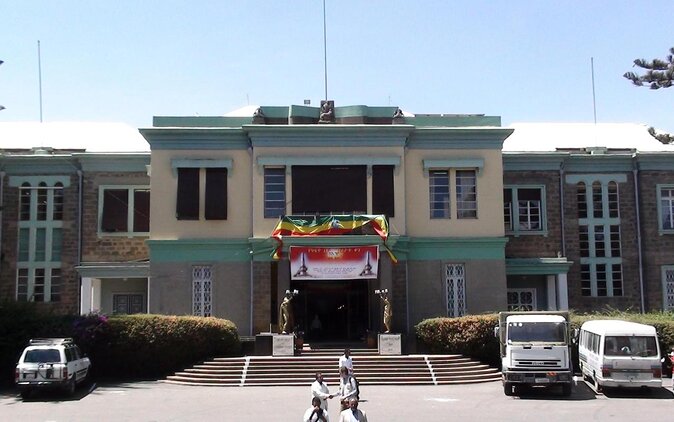
The National Museum of Ethiopia is the day’s best opening stop because it gives you a foundation for understanding the country. Plan on about two hours here, with admission included.
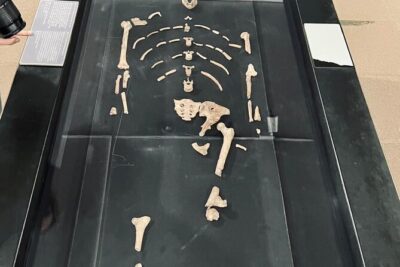
The star attraction is Lucy, the famous early hominid fossil discovered in 1974 near Hadar. The museum also presents Selam, estimated to be about 3.3 million years old and regarded as the earliest known child of her kind.
These fossils are more than famous objects in glass cases. They place Ethiopia at the center of the human story, and a guide can help explain why the discoveries matter. You also get a look at archaeological material, objects from ancient and medieval periods, royal regalia, artwork, and everyday crafts.
The museum aims to show the cultural variety of Ethiopia’s peoples, not just its archaeology. That makes the visit useful even if you have already seen images of Lucy elsewhere.
One practical warning is important: the National Museum has been closed on at least one past outing. If Lucy is the main reason you are booking, ask the operator to confirm opening arrangements before the day begins. If the museum is closed, the tour may still offer a worthwhile city experience, but the central attraction will be missing.
Ethiopian culture at the Ethnological Museum
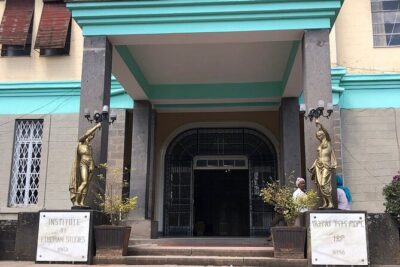
The Ethnological Museum takes about an hour and is located on the main campus of Addis Ababa University, home of the Institute of Ethiopian Studies.
This museum shifts the focus from fossils and national archaeology to people, customs, music, and daily life. Its collections include anthropological, musicological, and cultural objects. That makes it a useful companion to the National Museum: one explains Ethiopia’s deep human past, while the other gives you a better sense of its cultural groups and traditions.
The setting inside a university campus also gives the stop a different feel from a standard national museum. You are not simply moving from one famous display to another. You are seeing an institution tied to research and education.
An hour is enough for a guided introduction, though it is not enough for a close look at every collection. If museums are your main interest, ask in advance how much time can be shifted from the market stops.
Shopping at Shiro Meda Market
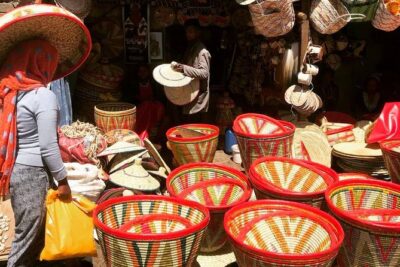
Shiro Meda is a short, 30-minute stop near the US Embassy. It is known for handwoven cotton clothing, especially women’s dresses, scarves, and garments decorated with colorful embroidery.
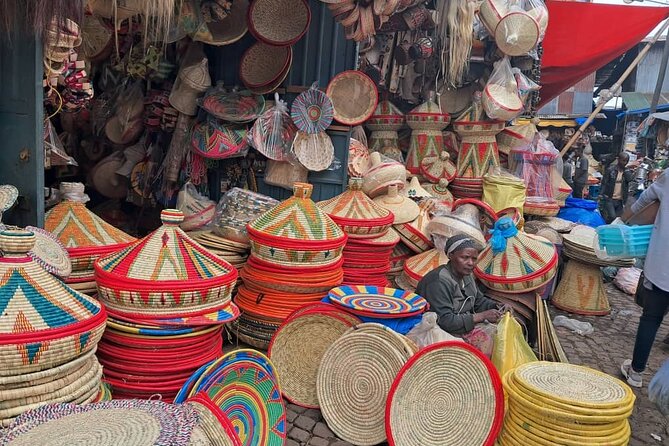
This is the easier market for shopping. The goods are more focused, and you can browse textiles, T-shirts, necklaces, earrings, and small gifts without the scale of Merkato. It is a useful place to buy something distinctly Ethiopian without losing a large part of the day.
Bargaining is expected here. Go in with a friendly manner, compare a few items, and remember that the first price is part of the process. You may find that 30 minutes feels short if you want to shop carefully, so decide beforehand whether you are browsing or buying.
Shiro Meda is also a good place to ask the guide about fabrics and clothing styles. That kind of conversation can make the stop more meaningful than simply picking up a scarf.
Same starting point, a very different trip:
- Full Day Tour of Addis Ababa with Hotel Pickup and Drop-off
★ 5.0 · 430 reviews - Taste of Ethiopia
★ 5.0 · 406 reviews - Day Trip From Addis Ababa See Historical Monastery,Stunning Nature,Animals,Birds
★ 5.0 · 303 reviews - Addis Ababa: Debre Libanos, Blue Nile Gorge, and Cave Tour
★ 4.5 · 256 reviews
Seeing Addis through Merkato
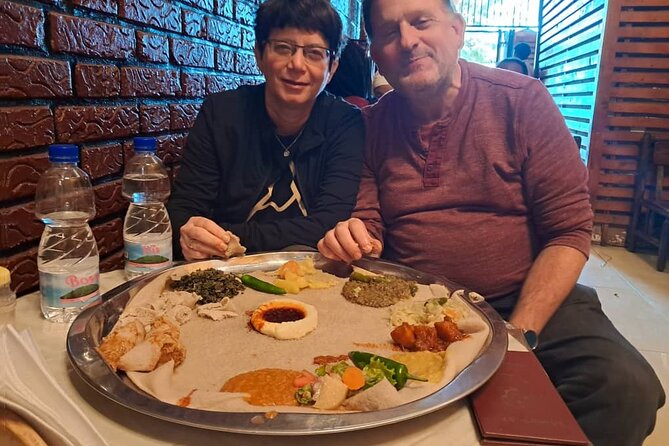
The two-hour visit to Merkato is the most demanding part of the day. Merkato is widely described as Africa’s largest open-air market, and its present form grew during the Italian occupation, when the market was moved west from the area near St. George Church.
That background matters because Merkato is not just a shopping stop. Its layout and identity reflect the city’s changing political and commercial life. The market developed around different trading communities, including Arab merchants, and became a major center for goods moving through Addis Ababa.
Expect a large, active commercial district rather than a neat row of souvenir stalls. You may see clothing, household goods, food, and ordinary items used by people in the city. The value of the stop is the chance to see daily commerce at a scale that most short city tours cannot show.
Two hours gives the guide room to shape the visit around your interests. Still, stay close and follow local advice. Merkato is a place to pay attention to your belongings and avoid wandering off alone.
If you dislike crowded commercial areas or prefer quiet historic sites, this may be your least comfortable stop. If you want a direct look at how Addis Ababa buys and sells, it is one of the day’s most revealing sections.
St. George’s Cathedral and its imperial museum
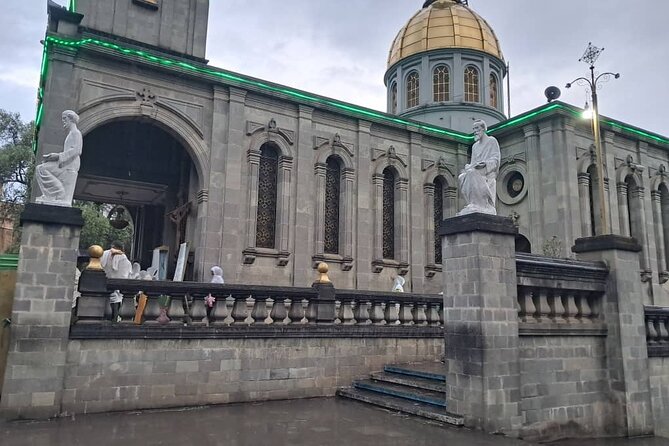
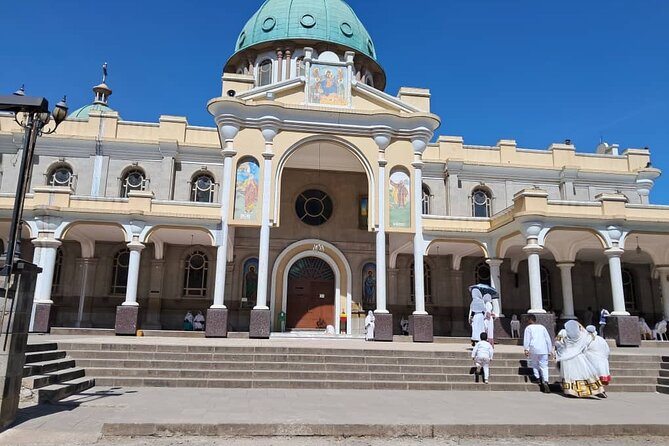
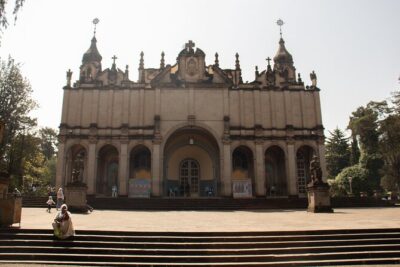
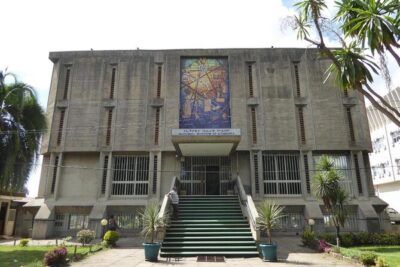
St. George’s Cathedral takes about an hour. Its distinctive octagonal shape makes it easy to recognize, but the story inside is even more interesting.
The cathedral was built by Italian prisoners of war after Ethiopia’s victory at Adwa in 1896. It was named for St. George, whose ark was carried to the battle. Italian Fascist forces later set the building on fire in 1937, and the cathedral was restored after liberation in 1941.
The attached museum includes an imperial throne and weapons used in conflicts with Italy. You may see curved swords, tridents, and large helmets made with lion manes. These objects connect religious space, royal power, and national independence in one compact visit.
Dress and behavior should be respectful in this Orthodox setting. The guide can explain the cathedral’s role, but the visit is not only about architecture. It is also a chance to understand how faith and national identity meet in Ethiopia.
Meskel Square and the city center
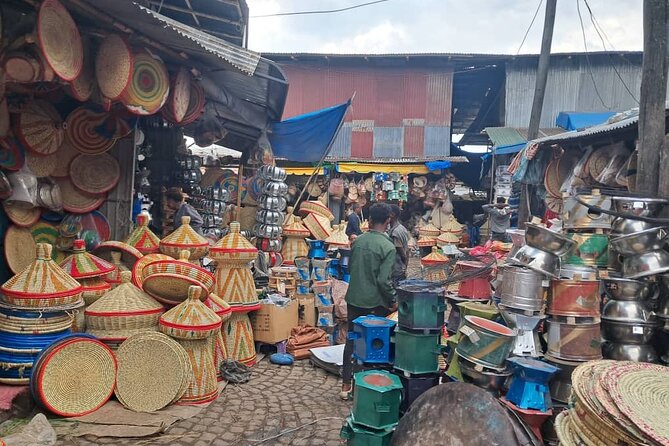
Meskel Square is included as a city sight, though no specific visit length is given. It is a large public square used for gatherings, demonstrations, and festivals, especially the Meskel Festival, which celebrates the finding of the True Cross.
The square was once called Stephen Square and received its current name in the early 1950s. Its importance is public rather than decorative. This is a place associated with national ceremonies and civic life, not a museum where you spend a long, quiet hour.
Because traffic and timing shape the route, the guide may treat Meskel Square as a brief stop or viewing point. If you want photographs or a fuller explanation, tell the guide early in the day.
The Red Terror Martyrs Memorial Museum
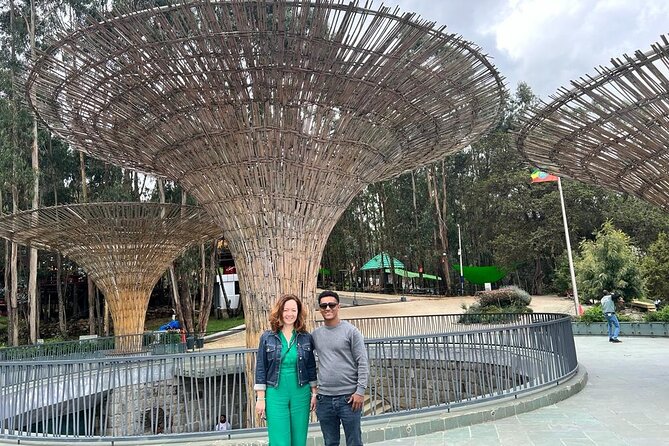
The Red Terror Martyrs Memorial Museum is a short but heavy stop, usually around 30 minutes. It remembers people killed during the Red Terror under the Derg government.
The displays include photographs, coffins, bloody clothing, skulls, bones, and instruments of torture. A museum guide explains the events leading to the Red Terror, the treatment of prisoners, and the ways people held in secret detention tried to communicate.
This is not a light sightseeing stop, and you should prepare yourself for difficult material. The short visit does not make the subject less serious. It gives you a focused introduction to a painful period in Ethiopia’s modern political past.
I value the inclusion of this museum because it keeps the tour from presenting Addis Ababa only through royal buildings, shopping, and scenic views. It shows the cost of political violence and gives national history a human face.
If you are traveling with young children or prefer to avoid graphic historical displays, ask the guide about the content before entering. You can also discuss adjusting the timing if needed.
Finishing above the city on Mount Entoto
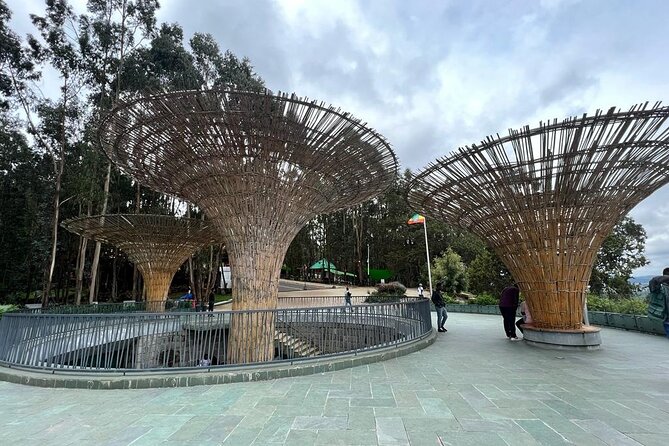
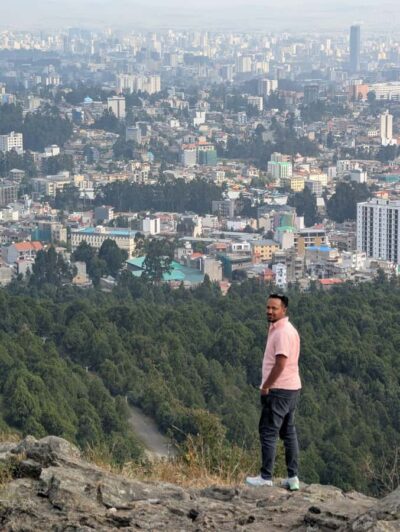
Mount Entoto is the final major stop, usually lasting about an hour. At a higher elevation above Addis Ababa, it offers a different setting from the city streets and markets.
Emperor Menelik II lived here and built his palace after coming from Ankober and founding Addis Ababa. The mountain is considered sacred and has monasteries and churches, including St. Raguel and St. Mary.
The slopes are covered with eucalyptus trees introduced from Australia during Menelik II’s reign and planted extensively during Haile Selassie’s rule. The forest has long supplied firewood and building material, and it is often called the lungs of Addis Ababa.
You will come here for the views, but the historical and religious setting gives the stop more substance. It explains why the city developed where it did and shows the relationship between Addis Ababa and the highlands around it.
Bring a layer for this part of the day. The supplied information does not specify conditions or weather, so I would not assume the mountain feels like the city below. The route includes admission to Mount Entoto, and hotel drop-off follows after the visit.
Coffee, food, and what is not included
Traditional Ethiopian coffee and cuisine are part of the experience described, but food and drinks are not included in the price. Plan to pay separately for anything you eat or drink, and note that alcoholic drinks are also excluded.
That arrangement gives you some control. You can choose what suits your appetite and schedule, rather than paying for a fixed meal you may not want. On the other hand, you should budget extra and ask the guide when the best time for food will be.
Some past outings have included local food experiences and time at an old restaurant, but the listed inclusions do not promise a specific restaurant or meal. Treat those additions as possible adjustments, not guaranteed features.
Is $600 per person good value?
At $600 per person, this is an expensive day tour. The price includes an air-conditioned minivan, driver-guide service, a Blue Badge guide, hotel or airport pickup, hotel drop-off, admission fees, taxes, and handling charges.
For a solo visitor, the cost is hard to justify unless convenience is worth a great deal to you, especially during a long layover. For a small group, the private vehicle, included entrances, and time saved arranging transport can make the price easier to accept.
The maximum group size is 10, but some bookings have operated as private tours. That is worth asking about before you pay, since a private outing can make the price feel more reasonable and allow you to adjust time between museums and markets.
You are paying mainly for organization, transport, and access to a guide across a wide route. You are not paying for lunch, coffee, or alcohol, so add those costs separately.
Who should book this city tour?
I would recommend it most strongly to first-time visitors with one full day in Addis Ababa, airport stopovers, families, and solo visitors who do not want to arrange several rides across the city.
It is also a good fit if you want a broad introduction rather than a single specialist subject. You get archaeology, ethnology, religious history, political memory, markets, shopping, and mountain views.
The tour is less suitable if you want a relaxed pace, long museum visits, or a food-focused day. Merkato can be intense, the Red Terror museum is emotionally difficult, and traffic may affect the timetable.
The operator has guides who work in English and has also arranged Spanish-language guiding. Names associated with the service include Mickey, Mulate, Getachew, Alex, Haile, and Yosef. Ask which guide and language will be assigned to you when booking.
Practical details before you go
Pickup is offered from your hotel or the airport, while the listed meeting point is Edna Mall on Cameroon Street. The activity ends back at the meeting point, although hotel drop-off is included in the service details, so confirm the exact end arrangement when you book.
Confirmation is provided at booking, and most people can participate. Mobile tickets are accepted. The tour requires a minimum number of participants, so a cancellation for that reason may result in another date or a full refund.
You can cancel for a full refund up to 24 hours before the start time. Cancellations or changes made inside 24 hours are not refunded or accepted. The cutoff follows local Addis Ababa time.
Should you book Addis Ababa City Tours?
Book this tour if you have limited time and want the city’s major themes handled in one organized day. The combination of Lucy, Merkato, St. George’s Cathedral, the Red Terror museum, and Mount Entoto gives you a useful first reading of Addis Ababa.
Think twice if you are traveling alone on a tight budget. At $600, the price is high, and the route is full enough that traffic or a closed museum can affect the result.
For a layover, the pickup and drop-off service may be the deciding factor. For a longer stay, I would ask for a private version, confirm the National Museum is open, identify your guide, and request extra time at the stops that matter most to you.
FAQ
How long does the Addis Ababa city tour last?
The tour lasts approximately 7 to 8 hours. Some outings have taken longer when the schedule was extended or additional time was needed.
Is airport pickup available?
Yes. Pickup is offered from the airport as well as from hotels.
What is included in the price?
The price includes air-conditioned minivan transport, a driver-guide, a Blue Badge guide, hotel pickup and drop-off, entrance fees, taxes, and handling charges.
Are food and drinks included?
No. Food and drinks are available to purchase separately. Alcoholic drinks are not included.
Will I see Lucy?
The National Museum includes Lucy and the display on Selam, but the museum has occasionally been closed. Confirm that it will be open before your tour if seeing Lucy is important to you.
How large is the group?
The activity has a maximum of 10 participants. Some bookings may operate as private tours, but you should confirm that arrangement before booking.
Where does the tour start and end?
The listed meeting point is Edna Mall on Cameroon Street in Addis Ababa. The activity ends back at the meeting point, and hotel drop-off is also included in the service details.
What is the cancellation policy?
You can cancel at least 24 hours before the start time for a full refund. Cancellations or changes made less than 24 hours before the start time are not accepted or refunded.
Just added out of Addis Ababa
- Yod Abyssinia Cultural Night: Dinner, Music, and Dance★ 5.0 · 7 reviews
- Locally crafted beer and wine tasting and nightlife in Addis tour★ 5.0 · 6 reviews
- Stunning Views Wonchi Crater Lake a Private Day Trip★ 5.0 · 3 reviews
- Two days Lake Wenchi and Menagesha Forest★ 5.0 · 3 reviews
- Tribes of the Ethiopian Omo Valley – 9 Day Tour★ 5.0 · 5 reviews
- Addis Ababa City Tours Full-Day Tours★ 5.0 · 5 reviews
- 3-Day Cultural Tour in South Omo Valley★ 5.0 · 4 reviews
- Day Trip to Tiya UNESCO Site & Melka Kunture Archaeological Site★ 4.5 · 3 reviews
City Tours, compared.
Addis Ababa Guided City Tour With Airport & Hotel Pick Up
Read our review →
Authentic Addis Ababa City Tour with a Local Guide
Read our review →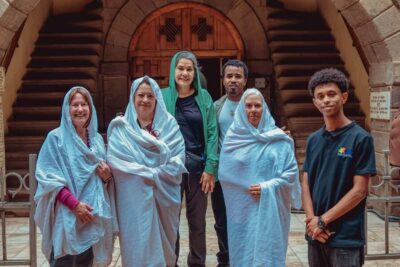
Addis Ababa City Tours Full Day With Hotel Pickup And Drop Off.
Read our review →Browse the lists this tour appears in