
Reviewed · DANAKIL DEPRESSION TOURS
3 Days Desert Adventure: Discover Danakil’s Hidden Wonders!
Erta Ale’s red glow, Dallol’s sulfur colors, and the white salt flats make this one of Ethiopia’s most unusual trips. I like the small group of up to 10 and the practical setup: 4WD transport, local guides, meals, water, camping gear, scouts, and police support are all covered. I also like the chance to sleep outdoors on a wooden bed or mattress instead of spending every night in a tent.
The trade-off is the heat. Temperatures can reach 50 degrees Celsius, and this is a rough desert trip, not a soft-edged sightseeing holiday. Expect long drives, basic camping, dust, and very limited comfort. The reward is scenery and geology that are hard to match.
Key points to know before you go
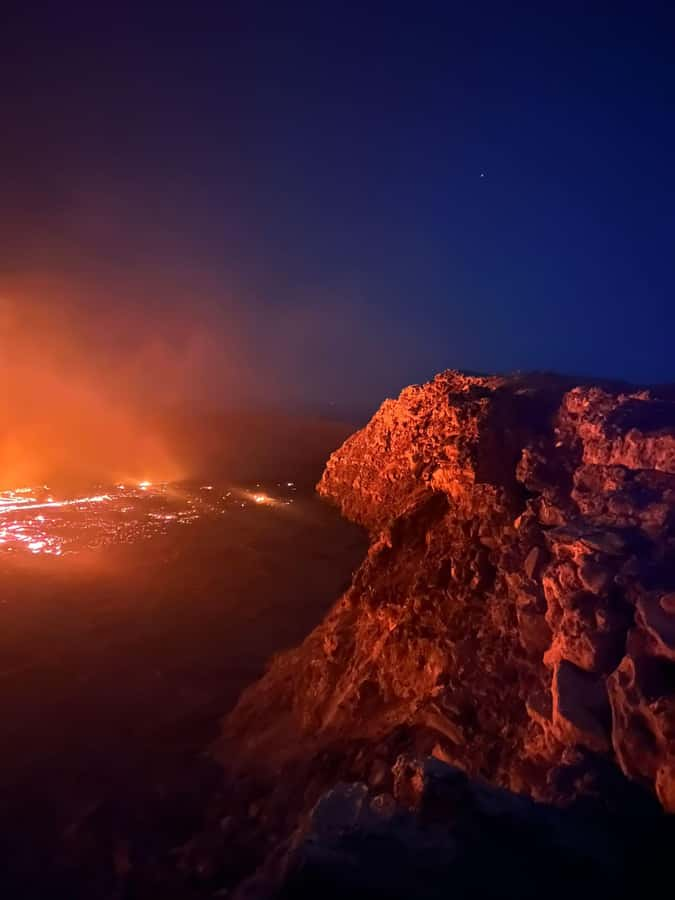
- Erta Ale means a night of fire: Trek toward an active volcano and look into a summit crater with a lava lake.
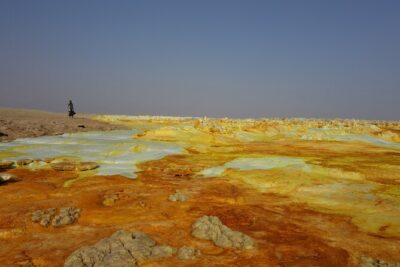
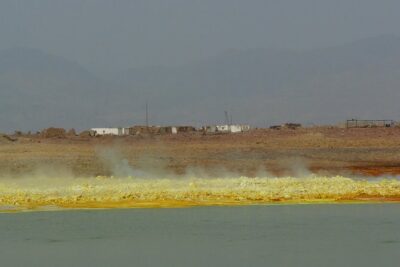
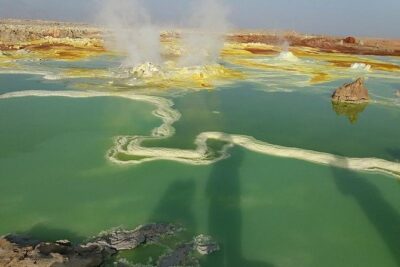
- Dallol is the visual high point: Sulfur springs, salt formations, salt mountains, and unusual colors fill one of the lowest places on Earth.
- The desert camp is part of the experience: Sleep under the stars on wooden beds, mattresses, sheets, or blankets.
- The heat shapes every day: Air conditioning in the 4WD matters, but you still need to prepare for extreme temperatures.
- The $350 price covers a lot: Meals, bottled water, guides, transport, camping equipment, entrance fees, community charges, and support services are included.
- This is best for active, flexible people: You need to handle long drives, basic facilities, walking on rough ground, and changing conditions.
Why the Danakil Depression feels so different
The Danakil Depression is not a place you visit for polished facilities. It is a huge, low desert basin where salt, heat, sulfur, and volcanic activity shape what you see at every turn. The ground can look white and empty in one direction, then shift to red, yellow, or green near the hot springs.
The route combines several very different sights. Salt flats show the working side of the region, where Afar people extract salt by evaporating lake water. Dallol shows the chemical side, with sulfur springs and mineral colors. Erta Ale brings the heat and drama of an active volcano.
I like that the trip is not just a drive to one famous viewpoint. You see how people live in the desert, how salt is collected, and how the region’s geology affects daily life. The caravan element and camel hire also connect the trip to older ways of moving through this harsh country.
Still, you should set your expectations correctly. The Danakil is not comfortable in the usual sense. A vehicle with air conditioning helps greatly, but walking outside can feel punishing, especially around the lowest and hottest parts of the basin.
Other desert expeditions from Ethiopia:
- 3 Days Danakil Depression Tour
★ 4.5 · 135 reviews - 3 Days Danakil Depression Tours Via Semera
★ 5.0 · 47 reviews - 12 Days SIMIEN MOUNTAIN-LALIBELA-DANAKIL-TIGRAY CHURCHES
★ 5.0 · 45 reviews
Day 1: Afdera, salt water, and a night under the stars
The trip begins at 9:00 AM from Semera or Mekele Airport. Pickup is arranged at Semera Airport, where the guide and driver identify themselves with the company name, booking details, or your name. A briefing can also be arranged in Addis Ababa the day before, and the operator says it will provide the domestic flight ticket from Addis to Semera. Because the price excludes domestic flights, confirm exactly what is covered before you pay.
The drive takes you toward the Danakil Depression as the temperature rises. This is a long travel day, so the air-conditioned 4WD is more than a nice extra. It is the place where you recover between stops, drink water, and escape the strongest heat.
Lunch is planned at Afdera, an Afar village known for its salt lake. This is a useful stop because it gives the trip a human side. You can see a little of desert life and eat local food rather than treating the region as an empty geological exhibit.
The route then continues toward Hamed Ela. After reaching the camp, you may have time for tea or coffee before heading back out to the salt lake area. The schedule describes a visit to Lake Assal, a saltwater lake more than 100 meters below sea level. Salt flats spread around the water, and Afar workers collect salt by evaporating lake water.
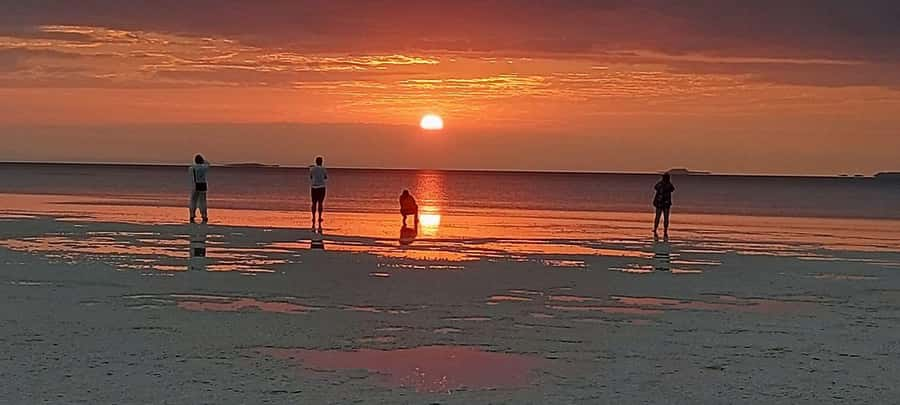
The salt lake is at its best when the light changes. A sunset here can turn the salt into a bright sheet and make the red salt mountains look even stronger. Swimming in the highly salty water is included in the planned experience, although you should follow local instructions closely and avoid getting the water in your eyes.
The camp adds a memorable touch. Instead of sleeping in a closed room, you can use a wooden bed with a mattress and sheets under the stars. Dinner, tea, and coffee are provided. Drivers may add music, dancing, and some cheerful movement after the long day, which keeps the evening from feeling too serious.
The drawback is that outdoor sleeping gives you very little protection from dust, heat, and insects. The setup is more comfortable than carrying your own sleeping bag and sleeping directly on the ground, but it remains basic desert camping.
Day 2: Dallol’s sulfur colors and the climb toward Erta Ale
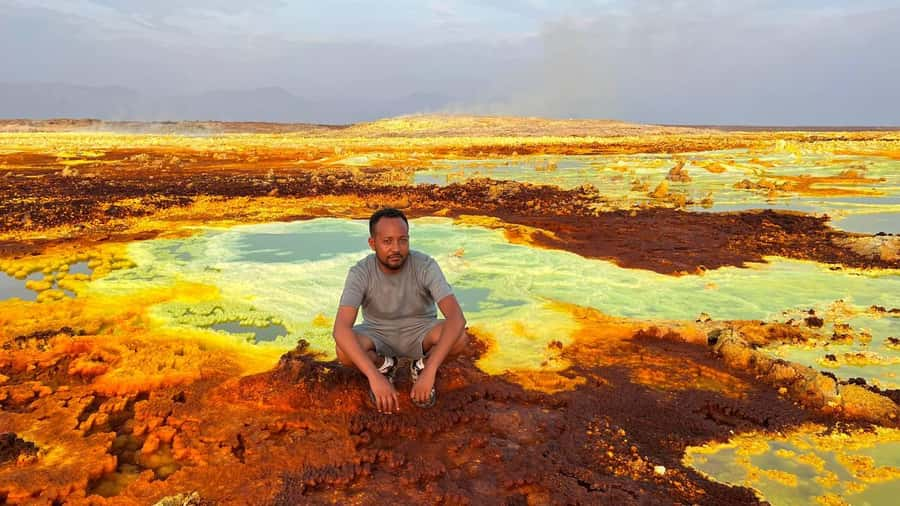
Day 2 starts early, which is sensible in a region where the sun quickly turns walking into hard work. The route includes Dallol, one of the lowest points on Earth at about 116 meters below sea level.
Dallol is the most unusual stop on the trip. Sulfur springs, hot springs, salt formations, and mineral colors create a scene that feels almost unreal. The nearby views toward Lake Assal and the salt mountains add scale to the visit. This is a place where you should slow down, look closely, and let the guide explain what you are seeing.
The itinerary places breakfast at camp after the early Dallol visit, followed by the drive to Erta Ale. The exact order may shift with heat, road conditions, or local guidance, so treat the timing as a working plan rather than a railway timetable.
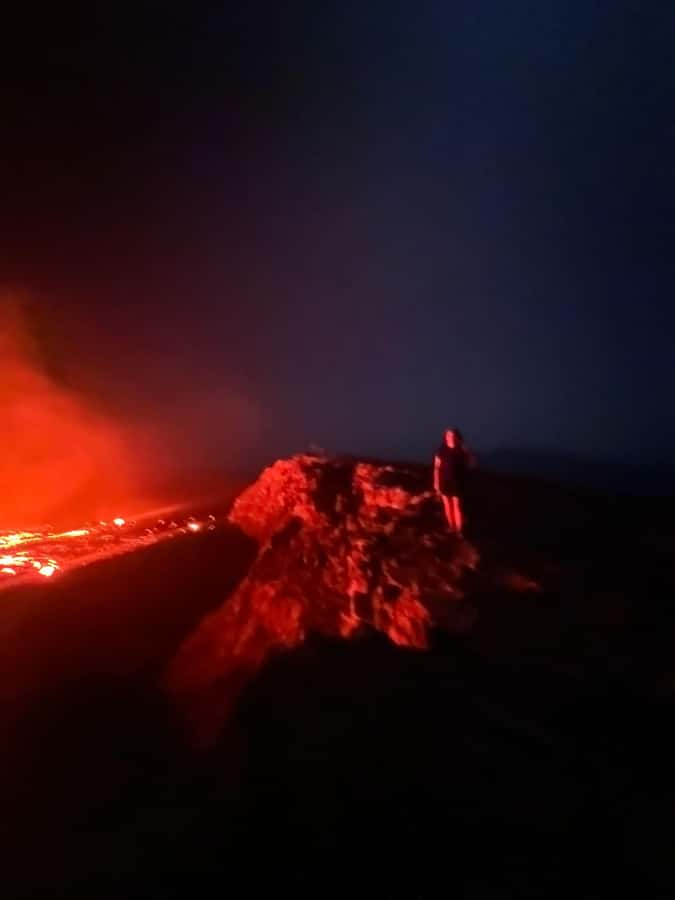
Erta Ale is a shield volcano with a large caldera and a summit reported at 613 meters. Its crater contains a lava lake, one of only a small number of permanent lava lakes in the world. The main attraction is not a neat viewpoint with a railing. You trek toward the volcano cone and watch the boiling lava from close to the crater area.
That walk is a major part of the experience. You should be ready for rough volcanic ground, darkness if the approach runs late, and heat that does not feel ordinary even after sunset. The reward is a rare chance to see active volcanic movement rather than a cold, extinct cone.
After the volcano visit, you trek back down to camp and eat dinner at about 8:00 PM. The night is spent outside near Erta Ale, on a rocky camping site with a mattress, bed sheet, or blanket supplied.
The volcano camp is one of the trip’s strongest features, but it is also where the physical demands become clearest. You are not booking a hotel near a volcano. You are sleeping in a remote, exposed setting after a long drive and a trek. That suits people who value the experience more than comfort.
Day 3: Craters, sunrise, and the long return
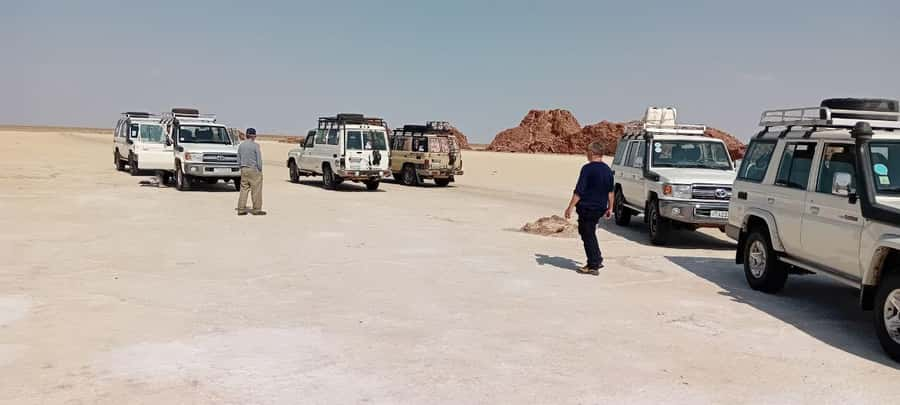
The final day begins early with sunrise at the northern pit crater. You then take a short walk to see the southern and central pits. The main pit crater is described as about 200 meters deep and 350 meters across. The smaller southern pit is about 65 meters wide and roughly 100 meters deep.
These craters offer a different view of Erta Ale. The lava lake gets the attention, but the pits show the volcano’s older geological structure. You can see how much ground has been shaped by eruptions, collapse, and heat over time.
After returning to camp, you have a final desert breakfast and time to pack the camping gear. The drive back is the practical end of the adventure, with arrival expected between 2:00 PM and 4:00 PM. That timing is designed to leave room for a 5:30 PM flight to Addis Ababa from either Mekele or Semera.
I would not schedule an important onward connection too tightly. The itinerary gives a useful target, but desert roads, weather, stops, and local conditions can affect the return. If you have a fixed flight, confirm whether your drop-off is at Semera or Mekele and leave a sensible buffer.
A few more trips from Ethiopia worth a look
- 3 Day Danakil Depression Ertale and Dallol Tours
★ 5.0 · 44 reviews - 3 Days Dankile Depression group Tours
★ 5.0 · 40 reviews - 2-Night 3-Day Danakil Depression Tour without Flights
★ 4.8 · 31 reviews - Trekking at Bale Mountains 3 Days
★ 5.0 · 28 reviews
What the $350 price really includes
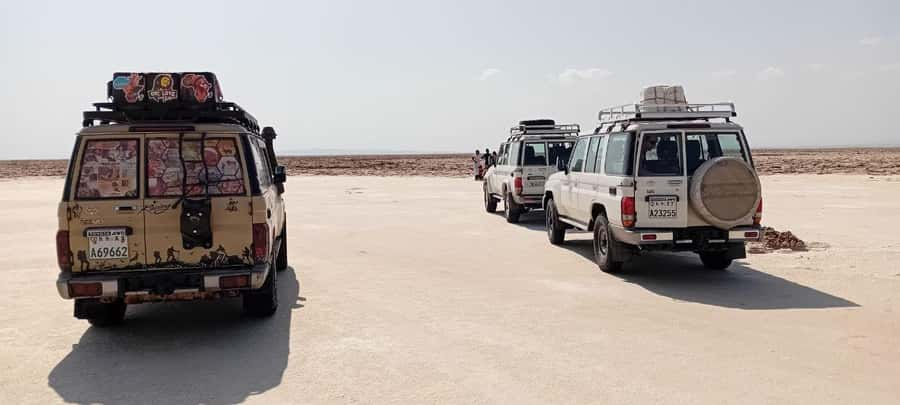
At $350 per person, this trip offers solid value if you want the full Danakil experience rather than arranging each piece yourself. The price includes:
- Entrance fees
- Community fees
- All desert meals, including breakfast, lunch, snacks, and dinner
- Bottled water
- Air-conditioned 4WD transport
- Local guides
- Camping equipment
- Scout and police services
- Camel hire
- Wine
There is one detail worth clarifying before booking. The inclusions mention wine, while the exclusions say alcohol is not included. Ask the operator which statement applies to your departure.
The price also does not include domestic flights, unspecified expenses, or tips. The operator says it provides the domestic flight ticket from Addis Ababa to Semera, so ask whether that ticket is included in the $350, arranged separately, or simply issued as part of the booking process. That small question can prevent a large surprise.
The food and water provision matters here. You are far from normal shops and restaurants, and carrying enough food for three days would be awkward. Bottled water is essential in this heat, so its inclusion adds real value.
Heat, transport, and comfort in the desert
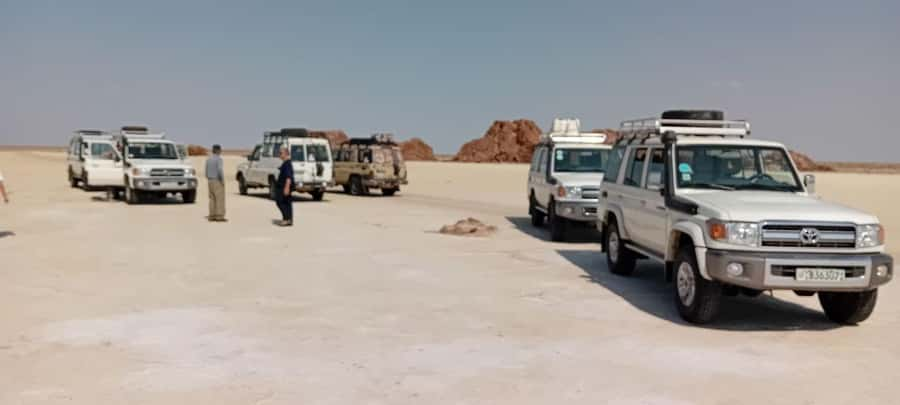
The Danakil can reach 50 degrees Celsius. That figure should influence your decision more than almost anything else. You need to arrive ready for hot weather, sun, dust, and long periods outside.
The 4WD has air conditioning and ventilation. I see this as one of the most important parts of the package, not a luxury feature. The drive between stops can be tiring, and a cool vehicle gives you a chance to recover before the next walk.
Camping is basic but thoughtfully arranged for the setting. Wooden beds, mattresses, sheets, and blankets are provided at the first camp, while the Erta Ale site uses mattresses, sheets, or blankets on rocky ground. You should not expect showers, hotel bathrooms, or the privacy of a fixed room unless the operator confirms otherwise.
A small group, limited to 10 people, makes the trip easier to manage. It reduces the time spent waiting at stops and lets the guide keep an eye on the group during walks and volcanic visits. English, Amharic, and German guiding is available.
The tour also includes scout and police services. In a remote region, that support is important. Camel hire adds a traditional transport element, although the supplied information does not specify how long you ride or which exact section uses the camels.
The best parts, and the parts that may test you
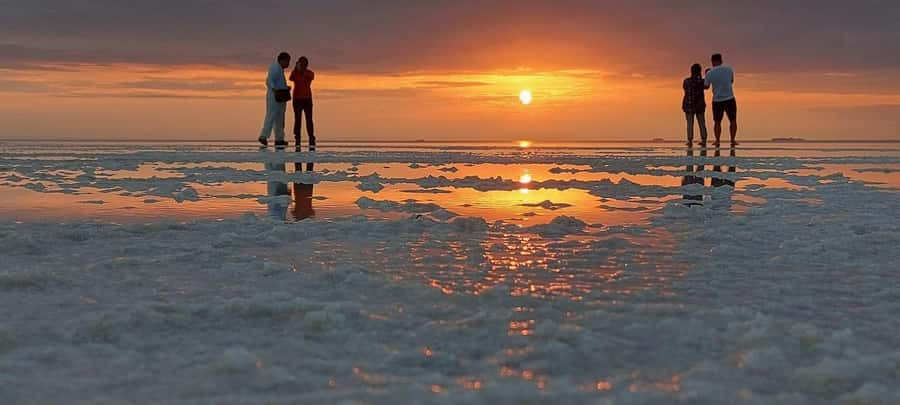
The strongest feature is the range of experiences packed into three days. You see salt mining, a salt lake, sulfur springs, volcanic craters, an active volcano, Afar village life, and open desert camping.
I also like the way the trip reaches the sights at useful times. Sunrise at Dallol and the pit craters, sunset by the salt lake, and an evening visit near Erta Ale give the scenery changing light rather than one flat midday view.
The main weakness is the pace. The itinerary includes substantial driving on all three days, plus early starts and walking on rough volcanic ground. You will spend more time in a vehicle than the short summary might suggest.
Comfort is another clear compromise. The 4WD is comfortable for the setting, but the camp is still a camp. If you need regular showers, cool indoor rooms, or easy access to medical facilities, this is probably not the right trip.
The trip has a rating of 4.7 from five recorded bookings, with especially strong praise for organization, transport, food, guides, and drivers. That matches what the package promises: the logistics are designed to reduce discomfort in a place where conditions are naturally severe.
Who should book this Danakil trip
I would recommend it to you if you want rare natural sights and accept that the route will be physically demanding. It suits people who enjoy geology, volcanoes, photography, desert cultures, and unusual sleeping arrangements.
It is also a good fit if you prefer a small organized group. The operator handles transport, meals, guides, community charges, camping equipment, and security support, so you do not have to coordinate those parts yourself.
I would think twice if you strongly dislike heat, rough roads, early mornings, or outdoor sleeping. The tour is not designed around comfort. Even the best organization cannot change the Danakil’s climate.
Cancellation is flexible, with a full refund available when you cancel at least 24 hours ahead. You can also reserve and pay later, which helps if your Ethiopian flight plan is still taking shape.
FAQ
Where does the Danakil tour start?
The tour starts at 9:00 AM from Semera or Mekele Airport. Pickup information specifically describes meeting your guide and driver at Semera Airport.
How hot can the Danakil Depression become?
Temperatures can reach 50 degrees Celsius. The tour provides an air-conditioned and well-ventilated 4WD, but you still need to prepare for extreme heat.
Is Erta Ale an active volcano?
Yes. Erta Ale is described as an active shield volcano with a large caldera and a lava lake at its summit.
Where do I sleep during the tour?
You sleep outdoors at desert camps. The accommodation uses wooden beds with mattresses and sheets at one site, and mattresses, sheets, or blankets on a rocky camping site near Erta Ale.
Are meals and water included?
Yes. Breakfast, lunch, snacks, dinner, and bottled water are included for the desert portion of the trip.
Are domestic flights included?
Domestic flights are listed as excluded. However, the operator says it will provide the domestic flight ticket from Addis Ababa to Semera, so you should confirm the exact flight arrangement and cost before booking.
How large is the group?
The tour is limited to 10 participants. Guiding is available in English, Amharic, and German.
Should you book it?
Book this trip if you want the Danakil’s strongest sights in a short, organized format and you can handle extreme heat, long drives, basic camping, and a trek near an active volcano. The $350 cost is attractive because it covers the expensive practical pieces, especially the 4WD, meals, water, guides, equipment, and local support.
Before paying, clarify the domestic flight arrangement, the conflicting wine and alcohol information, and the exact pickup and return airport. If those details work for you, this is a powerful three-day adventure with far more character than a simple scenic drive.
Just added out of Ethiopia
- Yod Abyssinia Cultural Night: Dinner, Music, and Dance★ 5.0 · 7 reviews
- 2 days Tigray Church★ 5.0 · 3 reviews
- 3 days tour Danakil Depression (Dallol & Erta Ale)★ 4.0 · 5 reviews
- The Rock-Hewn Churches of Lalibela: 3 Days / 2 Nights★ 5.0 · 6 reviews
- Trekking in Ethiopia’s Lalibela Wollo Highland 4 Days / 3 Nights★ 5.0 · 6 reviews
- 2 Days Dallol Trip★ 5.0 · 4 reviews
- Lasta Mountains: Highland Eco Trekking Tour in Lalibela★ 5.0 · 4 reviews
- Lalibela churches Guided Tour★ 5.0 · 6 reviews
Danakil Depression Tours, compared.
12 Days SIMIEN MOUNTAIN-LALIBELA-DANAKIL-TIGRAY CHURCHES
Read our review →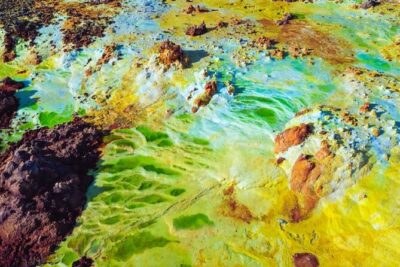
3 Day Danakil Depression Ertale and Dallol Tours
Read our review →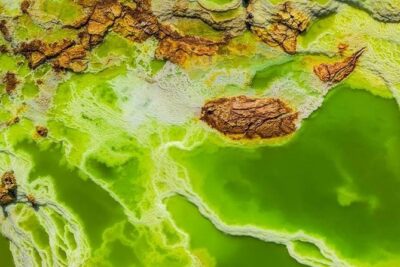
5 DAYS Lalibela, Axum, Tigray churches and Danakil
Read our review →
6 Days tour Package (Simien Mountains, Lalibela, and Danakil Depression)
Read our review →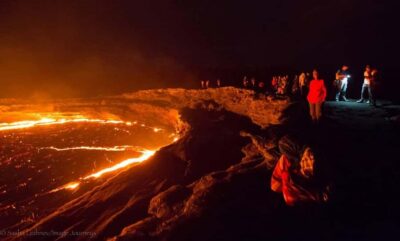
2-Night 3-Day Danakil Depression Tour without Flights
Read our review →
Lalibela, Axum, Danakil and Omo Valley 8 DAYS
Read our review →Browse the lists this tour appears in