
Reviewed · ETHIOPIA
Taste of Addis: A Delicious 3-Hour Journey Ethiopian Flavors
Addis Ababa is best understood one bite at a time, and this three-hour food tour gives you a fast, tasty introduction. You’ll move through local food stops, sample famous Ethiopian dishes, look at spices and local goods, and finish with coffee made in the traditional way.
I like the mix of proper meals and small cultural details, especially the injera baking, spice stop, local beer, and coffee ceremony. I also like the easy logistics: hotel pickup, transport, drinks, and drop-off are included. The main thing to check is the restaurant count, since the experience describes three food stops but specifies food at two restaurants, with the other stop possibly being a spice vendor or market.
Key points
- Three-hour tasting route: Sample Ethiopian food at several stops rather than sitting through one long meal.
- Classic dishes included: Expect injera, doro wat, tibs, kitfo, and other local specialties.
- Coffee is part of the culture: Watch roasting, grinding, and brewing before enjoying Ethiopian coffee at Tomoka.
- Drinks are covered: Fresh juice, unlimited beer and soft drinks, water, and coffee are included.
- Simple hotel logistics: Pickup, transportation, and drop-off make this useful on a short Addis stay.
- A personal touch may be possible: The Liyu team has been praised for flexible transport and strong photography and filming skills.
A first taste of Addis through injera and spice
The clever part of this tour is its range. In only three hours, you get a meal, a neighborhood outing, a look at ingredients, and a traditional coffee service. That gives you more context than ordering one dish in a hotel restaurant and trying to guess what you are eating.
Your guide leads you through three food-related stops in Addis Ababa. The plan includes restaurants, a possible spice market or small local vendor, and a coffee stop. Since the exact order can depend on the day’s schedule, you should treat this as a guided tasting route rather than a fixed restaurant crawl with every minute set in stone.
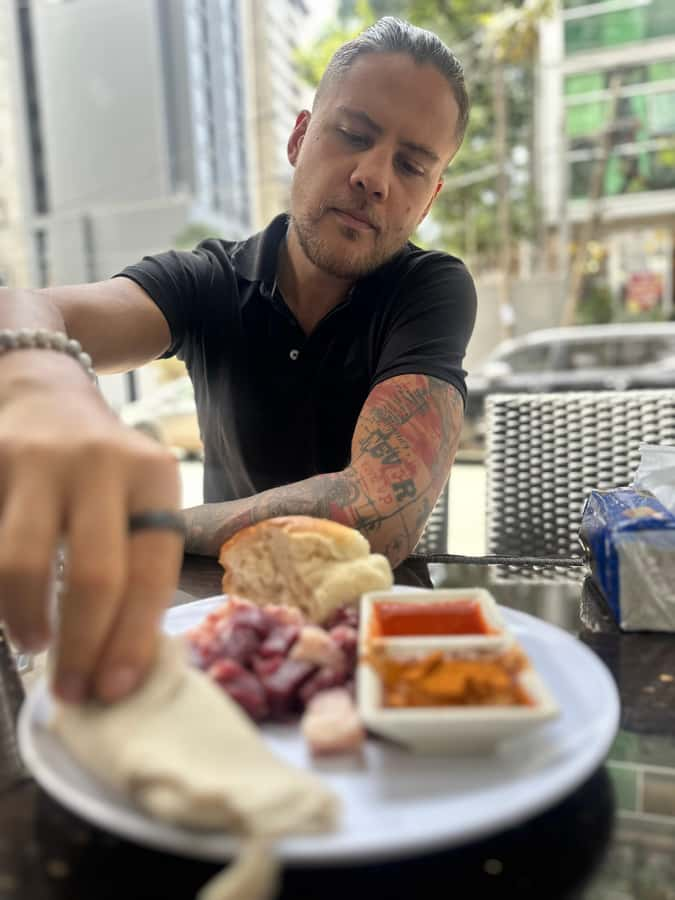
The food itself is the star. You may try injera, the sour, soft flatbread used to scoop up food, along with doro wat, a spicy chicken stew; tibs, sautéed meat; and kitfo, minced beef served raw or cooked. These dishes offer very different textures and levels of spice, so the tour works well as an introduction if Ethiopian food is new to you.
Other tours people book out of Ethiopia:
- Full Day Tour of Addis Ababa with Hotel Pickup and Drop-off
★ 5.0 · 430 reviews - Taste of Ethiopia
★ 5.0 · 406 reviews - Day Trip From Addis Ababa See Historical Monastery,Stunning Nature,Animals,Birds
★ 5.0 · 303 reviews
The first restaurant stop: learning how Ethiopian food works

A meal in Ethiopia is often built around sharing. Injera usually forms the base, with stews and meat placed on top. You tear off a piece of the flatbread with your right hand, use it to pick up food, and move between sauces and textures as you eat.
That makes the first restaurant stop more than a chance to fill up. Your guide can explain what each dish is, how it is eaten, and why the sour flavor of injera matters. If you have never eaten Ethiopian food, this help is useful because the meal does not follow the familiar starter, main course, and side dish pattern.
Doro wat is likely to appeal to anyone who enjoys slow-cooked food and spice. Tibs offers a more direct taste of sautéed meat. Kitfo requires a little more thought, since it may be prepared raw or cooked. If you prefer cooked meat, make that clear to your guide before ordering or tasting it.
The food is described as being served at two restaurants, even though the tour also advertises three food stops. This likely means the third stop may be a spice visit or small vendor rather than a full restaurant meal. If you are booking mainly for a large lunch, keep that distinction in mind.
Injera baking adds a useful hands-on moment
One of the more memorable parts of the experience is the chance to see or try injera baking. This gives you a practical look at the work behind the bread that appears on Ethiopian tables.
Injera is not just a plate decoration. It carries the food, adds a sour note, and helps you eat without cutlery. Seeing how it is prepared can make the meal easier to understand, especially if this is your first Ethiopian dining experience.
The baking activity also breaks up the eating. Three hours can pass quickly when you are moving between dishes, drinks, and explanations, but a hands-on food moment gives the tour a bit of variety. You should not expect a full cooking class, since the experience is primarily a tasting tour, but the baking demonstration adds something you would miss in a standard restaurant visit.
Doro wat, tibs, and kitfo: the dishes to watch for
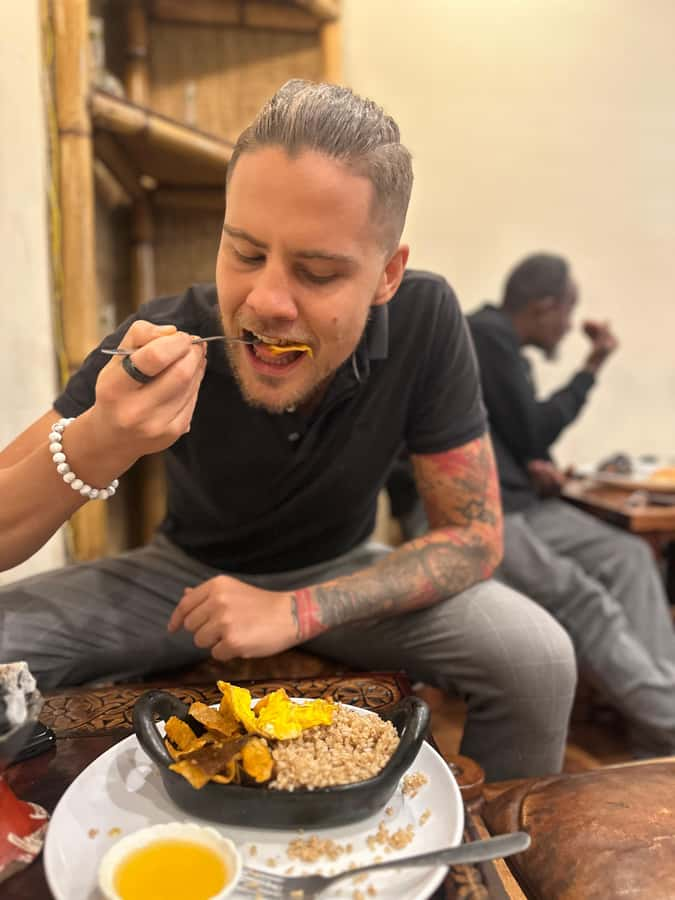
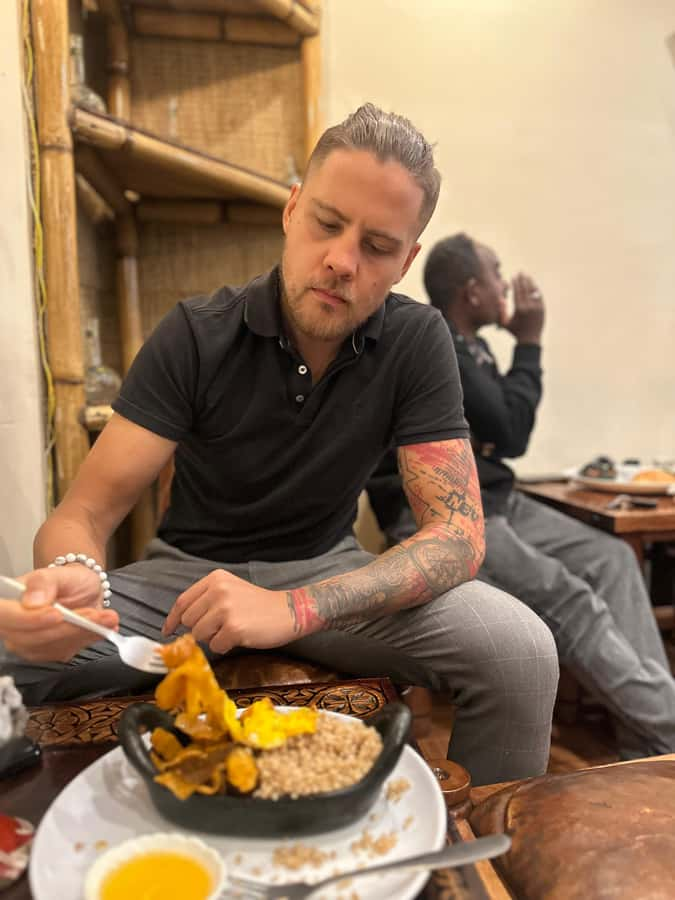
The advertised food list gives you a useful preview of Ethiopian cooking. Doro wat is a spicy chicken stew, often associated with celebratory meals. Its sauce makes a strong contrast with the mild, sour surface of injera.
Tibs is sautéed meat, usually appreciated by people who want something less stew-like. It offers a firmer texture and a more straightforward meat flavor, though the exact preparation can vary.
Kitfo is minced beef that may be served raw or cooked. This is the dish to approach according to your own comfort. The tour description makes clear that both preparations are possible, so ask what version is being served before you taste it.
You may also sample other local foods beyond these named dishes. The benefit of a guided tasting is that you can try a broader range without having to order several full portions yourself. The limitation is that the exact dishes can depend on the restaurants and the day’s schedule.
Same starting point, a very different trip:
- Addis Ababa: Debre Libanos, Blue Nile Gorge, and Cave Tour
★ 4.5 · 256 reviews - Addis Ababa Guided City Tour With Airport & Hotel Pick Up
★ 5.0 · 237 reviews - Breathtaking Nature, Wildlife and Cave Church Tour – Free Pickups
★ 5.0 · 225 reviews - Full-Day Private City Tour of Addis Ababa
★ 5.0 · 147 reviews
A spice stop connects the plate to the market
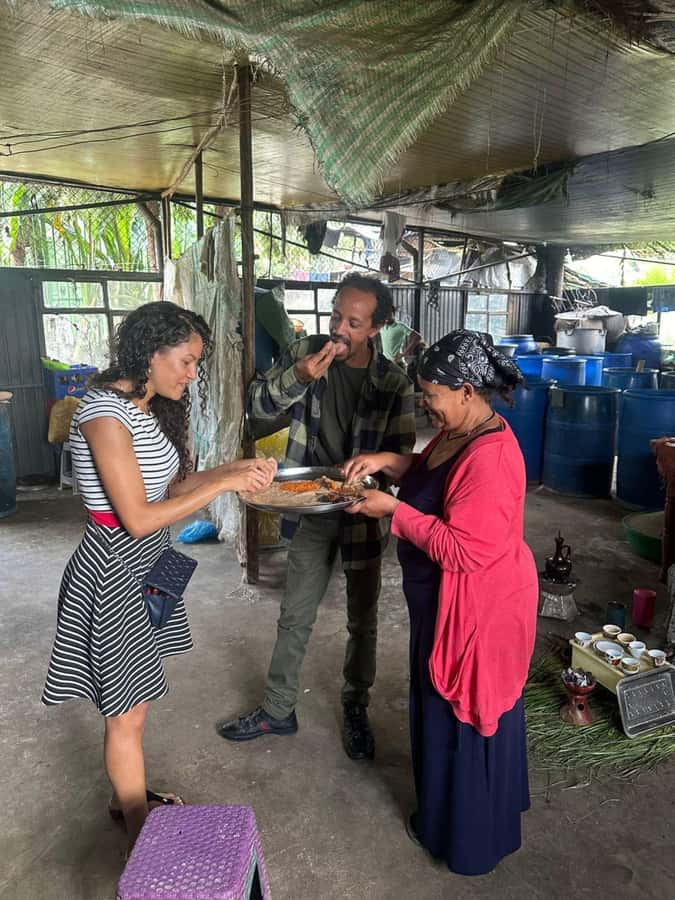
Depending on the schedule, the route may include a local spice market or small vendor. This is one of the most useful parts for anyone who wants to understand why Ethiopian food tastes so distinctive.
You can look at the ingredients that give the dishes their heat, color, and aroma. Your guide can connect those spices with the doro wat or other foods you have tasted, turning an unfamiliar list of ingredients into something practical.
The stop also shifts your attention from prepared food to everyday shopping. You are not only eating Ethiopian cuisine, you are seeing some of the goods behind it. Do not count on a large shopping session or a formal market tour, since this stop depends on the schedule. Think of it as a short ingredient-focused visit within the wider food route.
For many people, this will be the point where the tour feels most connected to Addis itself. Restaurants show you the finished meal. A spice visit shows you part of the food system that supports it.
Beer, juice, and coffee keep the tasting moving
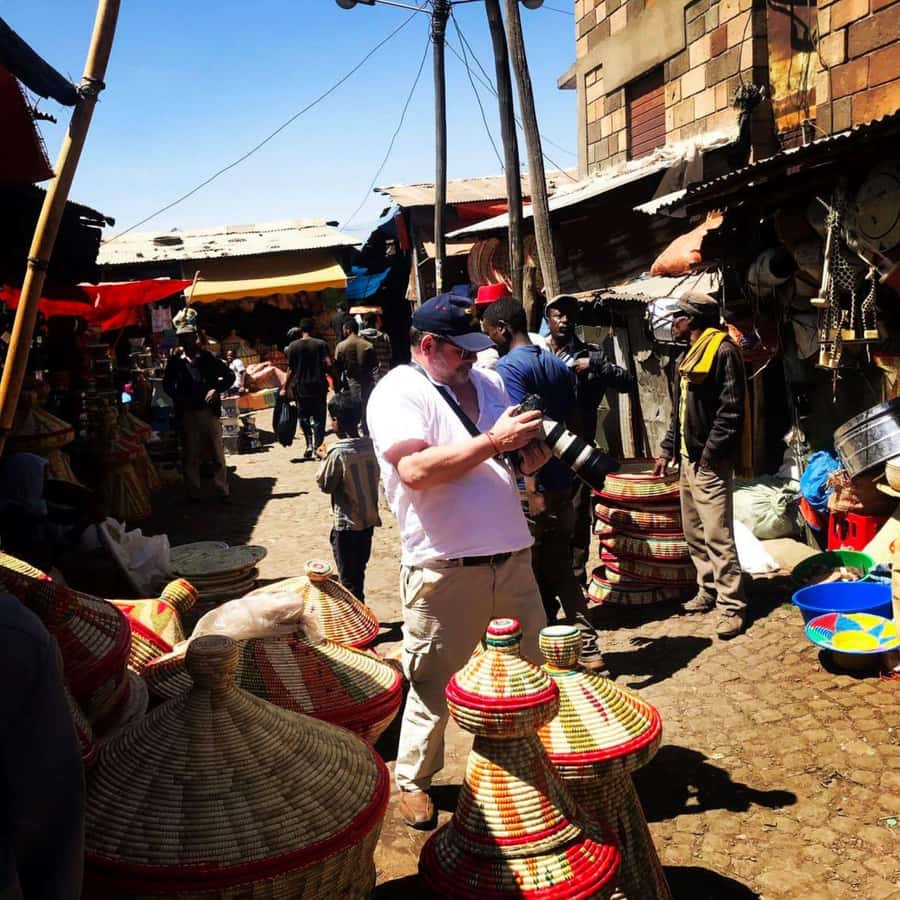
Drinks are included, which improves the value of the tour. You get fresh juice, beer, soft drinks, and water, with unlimited beers and soft drinks listed among the inclusions. That means you can focus on tasting rather than adding up each drink as the meal progresses.
Local beer is included in the experience, giving you another way to sample something made for the Ethiopian market. If you do not drink alcohol, the fresh juice and soft drinks provide alternatives. Water is included too, which is welcome alongside spicy dishes.
Coffee arrives at the end, and it is not treated as an afterthought. Ethiopian coffee is prepared through a traditional ceremony involving roasting, grinding, and brewing. You get to see the process before drinking the finished cup.
The coffee ceremony gives the tour a calm final chapter after the restaurant stops. It also shows why coffee matters as a social custom, not only as a morning drink. The experience ends with coffee at Tomoka Coffee, a well-known local name supplied as part of the tour details.
Tomoka Coffee provides the final stop

Ending at Tomoka Coffee gives the itinerary a clear finish. After injera, stews, meat, beer, and juice, you sit down for a fresh cup of Ethiopian coffee.
The ceremony includes roasting the beans, grinding them, and brewing the coffee. These steps take time, so the final stop is more about watching and participating in a custom than grabbing a quick takeaway cup.
If coffee is important to you, this is a major reason to choose the tour. If you are not a coffee drinker, the ceremony still offers cultural value, though you may find the food stops more rewarding. The tour description includes coffee as part of the package, so you will not need to arrange a separate visit to experience this tradition.
What the $47 price really covers
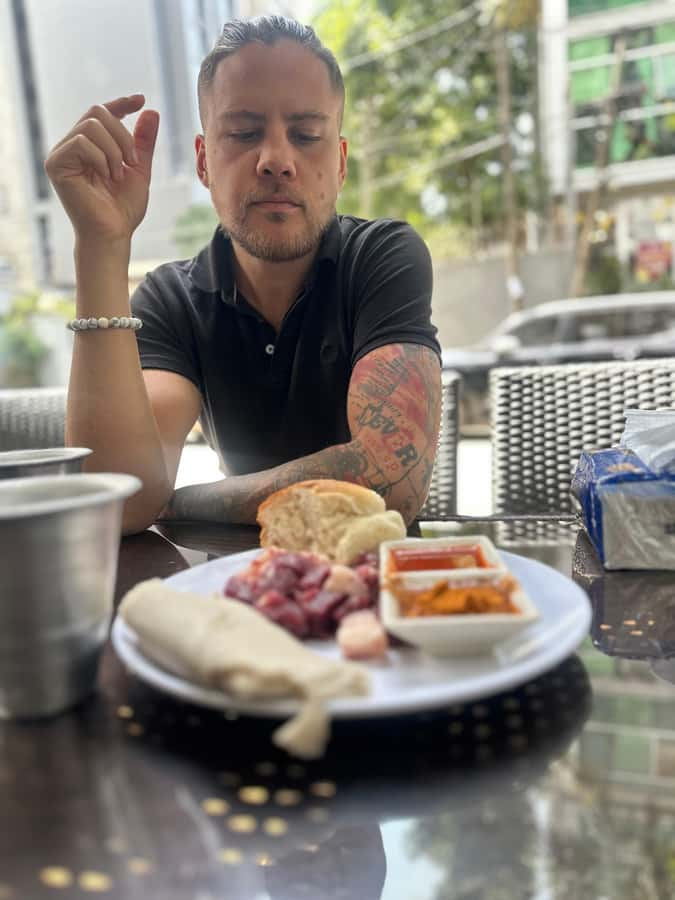
At $47 per person, the price is easier to justify than a basic restaurant meal because it includes much more than food. Hotel pickup and drop-off, transport, an English-speaking guide, food, beer, soft drinks, fresh juice, coffee, and water are all included.
That package matters in Addis Ababa, especially if you have limited time or do not want to arrange transport between several stops. You are paying for someone to connect the food, neighborhood, ingredients, and customs into one short route.
The value is strongest for first-time visitors who want orientation as well as lunch. It is also useful if you have only a few days in the city and want one activity that combines eating and cultural explanation.
The value is less clear if you already know Addis restaurants well or prefer to choose every dish yourself. The route is guided, and the menu may depend on the schedule. You should book it for access and context, not simply for the quantity of food.
Transport and timing make this useful on a short stay

The tour lasts three hours, making it easy to fit into a compact Addis itinerary. Pickup and drop-off at your hotel remove some of the planning work, and transport is included during the experience.
One useful detail is the reported flexibility of the transport. A comfortable car was specifically appreciated, and the Liyu team is described as checking in before and after the trip. That kind of communication can be helpful when your schedule is tight.
The tour also suits a first or second day in the city. You can learn what injera, doro wat, tibs, and kitfo taste like before ordering them elsewhere. You may also pick up ideas for later meals, coffee stops, or local products.
Do not expect a long neighborhood walk or a full-day city tour. The experience is built around food stops and transportation, with the local area providing the setting rather than being the sole focus.
The guide can add more than directions
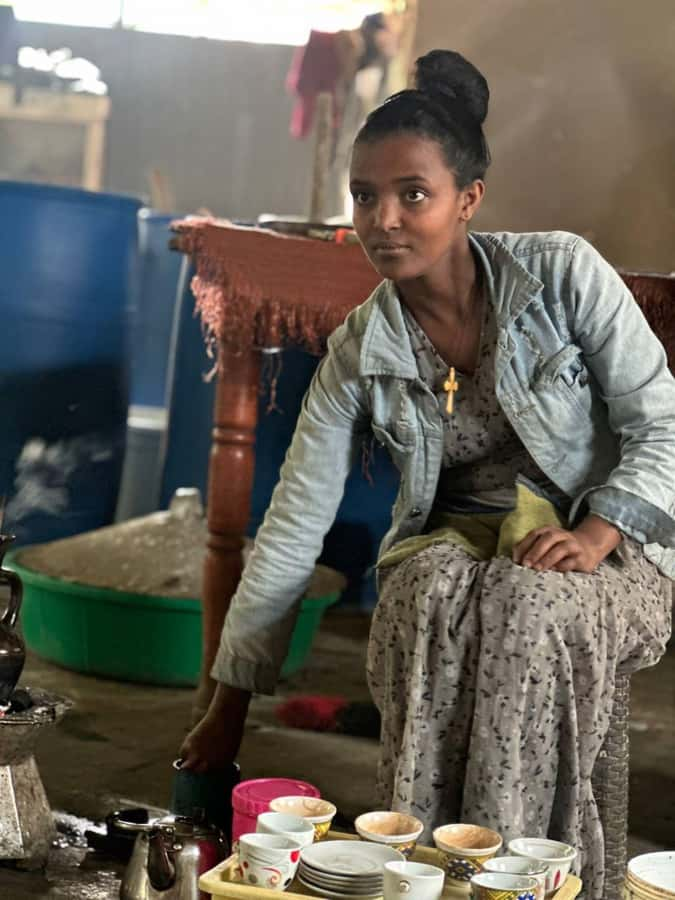
Your English-speaking guide is an important part of the experience. The food is good on its own, but the guide explains the dishes and shares Ethiopian history and culture as you move between stops.
The supplied details do not provide a guide’s name, so you should not book expecting a particular person. One guide associated with the Liyu team was praised for photography and filming skills, which may be useful if you want photos or short videos during the day.
That is a nice extra, but it should not be the main reason you book. The core value remains the food, explanations, transport, and coffee ceremony. If you want photographs, ask your guide what help is possible at the start of the tour.
Who will enjoy this Addis food tour most
I would choose this tour if you want a friendly introduction to Ethiopian food without spending a full day on it. It is especially suitable for:
- First-time visitors to Addis Ababa
- People who want to try several dishes in one outing
- Food lovers curious about injera, kitfo, and doro wat
- Visitors who value hotel transport
- Short-stay visitors with only a few days in the city
- Anyone interested in coffee traditions and local ingredients
It may be less suitable if you need a fixed restaurant-by-restaurant schedule, dislike spicy food, or want a formal cooking class. The itinerary has some flexibility, and the exact third stop may be a spice vendor rather than another full meal.
Dietary needs are not detailed in the supplied information. If you have allergies, avoid certain meats, or need food prepared in a specific way, contact the provider before booking and explain your needs clearly.
Booking details worth knowing before you go
The tour is offered in English. You can reserve now and pay later, which helps if your Addis schedule is still changing. Cancellation is free up to 24 hours before the experience for a full refund.
The overall rating is listed as 5 out of 5 from four ratings, with particular praise for the food, cultural explanations, comfortable transport, flexible service, and coffee ceremony. Those strengths match the structure of the experience: it is not just a meal, and it is not just a sightseeing drive.
The main practical question is how much food you want. The tour includes food at two restaurants and three food-related stops, but the third stop may be a spice visit or small vendor. You should see it as a broad tasting experience rather than a guaranteed three-course restaurant crawl.
Should you book Taste of Addis?
Book it if you want an efficient, well-organized introduction to Ethiopian food with hotel transport and drinks included. The combination of injera baking, classic dishes, a possible spice stop, local beer, and Tomoka coffee gives you a useful first look at Addis food culture.
I would be cautious only if you need a fully fixed itinerary or expect three full restaurant meals. For most first-time visitors, the $47 price is fair because it covers transport, food, drinks, guidance, and the coffee ceremony. It is a good way to arrive hungry, leave with a happy belly, and know what to order on your next meal in Addis.
FAQ
How long does the Taste of Addis tour last?
The tour lasts three hours.
Where does the tour take place?
It takes place in the Addis Ababa metropolitan area of Ethiopia.
How much does the tour cost?
The listed price is $47 per person.
What food can I expect to taste?
The advertised dishes include injera, doro wat, tibs, kitfo, and other traditional Ethiopian foods.
How many food stops are included?
The experience describes three food stops. Food is specified at two restaurants, while the other stop may be a local spice market or small vendor, depending on the schedule.
Are drinks included?
Yes. Fresh juice, beer, soft drinks, water, and coffee are included. Unlimited beers and soft drinks are also listed.
Is hotel transportation included?
Yes. Hotel pickup, transportation during the tour, and hotel drop-off are included.
Is the tour offered in English?
Yes. An English-speaking guide is included.
Does the tour include a coffee ceremony?
Yes. The experience includes a traditional Ethiopian coffee ceremony with roasting, grinding, and brewing, followed by coffee at Tomoka Coffee.
Just added out of Ethiopia
- 2 days Tigray Church★ 5.0 · 3 reviews
- 3 days tour Danakil Depression (Dallol & Erta Ale)★ 4.0 · 5 reviews
- Yod Abyssinia Cultural Night: Dinner, Music, and Dance★ 5.0 · 7 reviews
- The Rock-Hewn Churches of Lalibela: 3 Days / 2 Nights★ 5.0 · 6 reviews
- Trekking in Ethiopia’s Lalibela Wollo Highland 4 Days / 3 Nights★ 5.0 · 6 reviews
- 2 Days Dallol Trip★ 5.0 · 4 reviews
- Lalibela churches Guided Tour★ 5.0 · 6 reviews
- Lalibela Backpacker tours★ 5.0 · 6 reviews